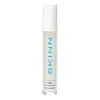
This anti-aging lip moisturizer is formulated around Palmitoyl Tripeptide-1 and Palmitoyl Tripeptide-38 to soften the look of wrinkles.
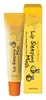
This hydrating lip mask is formulated around Petrolatum and Macadamia Ternifolia Seed Oil to hydrate lips.


What's inside
What's inside
 Key Ingredients
Benefits
Concerns
Ingredients Side-by-side
Hydrogenated Polyisobutene
EmollientRicinus Communis Seed Oil
Masking




Cera Alba
Emollient


Ethylene/Propylene/Styrene Copolymer
Vp/Eicosene Copolymer
Ethylhexyl Palmitate
Emollient
Butylene/Ethylene/Styrene Copolymer
Palmitoyl Tripeptide-1
Skin Conditioning



Palmitoyl Tripeptide-38
Skin Conditioning
Atelocollagen
Skin Conditioning
Macadamia Ternifolia Seed Oil
Emollient
Mentha Piperita Oil
Masking



Tetrahexyldecyl Ascorbate
Antioxidant




Tocopheryl Acetate
Antioxidant
Portulaca Pilosa Extract
Skin ConditioningLactic Acid
Buffering


Vanillyl Butyl Ether
MaskingPentaerythrityl Tetraisostearate
Emollient
Cetearyl Ethylhexanoate
Emollient
Silica Dimethyl Silylate
EmollientSodium Chondroitin Sulfate
Skin ConditioningSorbitan Isostearate
Emulsifying
Sucrose Cocoate
Emulsifying
Tribehenin
Emollient
Menthoxypropanediol
Masking
Butylene Glycol
Humectant
Caprylyl Glycol
Emollient
Chlorphenesin
Antimicrobial
Limonene
Perfuming
Linalool
Perfuming
Propylene Glycol
Humectant
Pentylene Glycol
Skin Conditioning
Phenoxyethanol
Preservative
Pentaerythrityl Tetra-Di-T-Butyl Hydroxyhydrocinnamate
Antioxidant
Aroma

Hydrogenated Polyisobutene, Ricinus Communis Seed Oil, Cera Alba, Ethylene/Propylene/Styrene Copolymer, Vp/Eicosene Copolymer, Ethylhexyl Palmitate, Butylene/Ethylene/Styrene Copolymer, Palmitoyl Tripeptide-1, Palmitoyl Tripeptide-38, Atelocollagen, Macadamia Ternifolia Seed Oil, Mentha Piperita Oil, Tetrahexyldecyl Ascorbate, Tocopheryl Acetate, Portulaca Pilosa Extract, Lactic Acid, Vanillyl Butyl Ether, Pentaerythrityl Tetraisostearate, Cetearyl Ethylhexanoate, Silica Dimethyl Silylate, Sodium Chondroitin Sulfate, Sorbitan Isostearate, Sucrose Cocoate, Tribehenin, Menthoxypropanediol, Butylene Glycol, Caprylyl Glycol, Chlorphenesin, Limonene, Linalool, Propylene Glycol, Pentylene Glycol, Phenoxyethanol, Pentaerythrityl Tetra-Di-T-Butyl Hydroxyhydrocinnamate, Aroma
Polyisobutene
Diisostearyl Malate
EmollientOctyldodecanol
Emollient
Petrolatum
Emollient
Microcrystalline Wax
Emulsion StabilisingBeeswax
Emulsion Stabilising
Ceresin
Emulsion StabilisingMacadamia Ternifolia Seed Oil
Emollient
Sorbitan Sesquioleate
Emulsifying
Tocopheryl Acetate
Antioxidant
Honey
Humectant
Rubus Idaeus Fruit Extract
AstringentRubus Fruticosus Fruit Extract
AstringentEuterpe Oleracea Fruit Extract

Vaccinium Myrtillus Fruit Extract
Skin ConditioningVaccinium Macrocarpon Fruit Extract
AstringentRibes Nigrum Fruit Extract
Astringent
Vaccinium Angustifolium Fruit Extract
Skin Protecting
Fragaria Chiloensis Fruit Extract
Skin Conditioning
CI 77492
Cosmetic ColorantPolyglyceryl-2 Triisostearate
Emulsifying
Parfum
Masking
Benzyl Alcohol
Perfuming
Linalool
Perfuming
Polyisobutene, Diisostearyl Malate, Octyldodecanol, Petrolatum, Microcrystalline Wax, Beeswax, Ceresin, Macadamia Ternifolia Seed Oil, Sorbitan Sesquioleate, Tocopheryl Acetate, Honey, Rubus Idaeus Fruit Extract, Rubus Fruticosus Fruit Extract, Euterpe Oleracea Fruit Extract, Vaccinium Myrtillus Fruit Extract, Vaccinium Macrocarpon Fruit Extract, Ribes Nigrum Fruit Extract, Vaccinium Angustifolium Fruit Extract, Fragaria Chiloensis Fruit Extract, CI 77492, Polyglyceryl-2 Triisostearate, Parfum, Benzyl Alcohol, Linalool
Ingredients Explained
These ingredients are found in both products.
Ingredients higher up in an ingredient list are typically present in a larger amount.
Linalool is a small, naturally occurring scent molecule found in plants like lavender, coriander, bergamot, and more.
It is one of the two most-used fragrance ingredients in cosmetics and added purely for smell. Since it's not used for a skin benefit, there's no "effective dose". Concentration depends on the fragrance load of the product.
The EU requires it to be named on the label above 0.001% in leave-on and 0.01% in rinse-off products.
Fresh linalool is a weak sensitizer but air exposure turns some of it into hydroperoxides, which are strong sensitizers. Those oxidation products are the actual allergy concern.
Patch-test clinics see positive reactions to linalool hydroperoxides in about 4% to 12% of dermatitis patients depending on country and test concentration.
Resassuringly, one analytical study found hydroperoxide levels in real fragranced products to be orders of magnitude below what induced sensitization in animal studies with no evidence of oxidation building up during normal storage.
The practical takeaway is that linalool is fine for most people but worth avoiding if you have a confirmed fragrance contact allergy or a badly compromised barrier.
Products stored a long time after opening are also the high-risk scenario since that is when oxidation happens.
The scent of linalool is described as floral, spicy tropical, and citrus-like.
Learn more about LinaloolThis ingredient is also known as Macadamia Seed Oil. It's an emollient with a fatty acid profile that closely mirrors the skin's own lipid makeup.
The palmitoleic acid content is especially notable as it's somewhat rare in plant oils. Palmitoleic acid is something your skin already makes naturally. It helps keep cell membranes structured and plays a role in fighting off harmful microbes.
This palmitoleic content is also part of why macademia seed oil absorbs quickly and doesn't leave much of a greasy residue.
It also contains oleic acid, linoleic acid, and phytosterols that can help reduce redness.
In vitro research has shown the oil to have meaningful antioxidant activity, protect fats in the skin from oxidative damage, and slow down the enzyme that breaks down hyaluronic acid.
A 2024 clinical study found it effective at improving skin hydratino and reducing wrinkle appearance when formulated into nanoemulsions.
Because it carries oleic acid (C18) and palmitic acid (C16), this ingredient may not be fungal acne safe. This is because the Malassezia yeast metabolizes in the C11-24 chain length range.
You'll also see this ingredient listed as: Macadamia Integrifolia Seed Oil .
These two oils are identical in composition and M. ternifolia is an older INCI naming convention for the edible macadamia nut while M. integrifolia is the species actually cultivated for oil production. Both names refer to the same oil.
Learn more about Macadamia Ternifolia Seed OilTocopheryl Acetate is a stable, shelf-friendly form of vitamin E.
Formulators love it because plain vitamin E oxidizes quickly once it hits air. This acetate version stays stable and resists going off, helping to extend a product's shelf life.
It's actually inactive on its own and works like a slow-release "storage" form; the enzymes in your skin called esterases gradually convert it into active vitamin E over time.
One in vivo study showed 5% of the acetate in the living layer of the epidermis converted to vitamin E after 5 days of application. This study also found the skin gained protection against UV damage even though the conversion was slow and small.
Once converted, vitamin E acts as a skin's main fat-soluble antioxidant that fights free radicals to protect skin from damage.
Topical vitamin E generally boosts the skin's photoprotection, and it reduced UV-damage in animal models.
This ingredient has some brightening potential but it's more of a prevention ingredient than spot-fader. Cell studies show it can slow down melanin production but it's worth noting that it's not the most powerful brightener out there.
Overall, it has a pretty solid safety profile and has been found to be non-irritating and non-comedogenic. Allergic reactions may happen but stay rare due to how widely the ingredient gets used.
The concentration will vary depending on the formula; industry data shows 0.1% in baby lotions, 3% in lipsticks, and 5% in foot powders. You can also find this ingredient at 100% in a pure vitamin E oil.
Most leave-on skincare keeps it at the lower end, often between 0.5-1%.
Learn more about Tocopheryl Acetate

