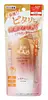
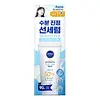
Skin Aqua Super Moisture Barrier UV Gel SPF 50+ PA++++ Versus Nivea Sensitive Sun Serum Protect & Light Feel SPF 50+


What's inside
What's inside
 Key Ingredients
Benefits
Concerns
Ingredients Side-by-side
Water
Skin ConditioningAlcohol
Antimicrobial




Ethylhexyl Methoxycinnamate
UV Absorber

Butylene Glycol
Humectant

Isononyl Isononanoate
EmollientGlycerin
Humectant
Diethylamino Hydroxybenzoyl Hexyl Benzoate
UV Filter
Diethylhexyl Succinate
EmollientBis-Ethylhexyloxyphenol Methoxyphenyl Triazine
Skin Conditioning
Cupressus Sempervirens Cone Extract
Perfuming
Sodium Hyaluronate
Humectant


Silica
Abrasive


Ethylhexyl Triazone
UV Absorber
Polyglyceryl-10 Pentaisostearate
Emollient
Hydrogenated Polyisobutene
EmollientAcrylates/C10-30 Alkyl Acrylate Crosspolymer
Emulsion StabilisingMyristyl Myristate
Emollient

Triethanolamine
BufferingSaccharide Isomerate
Humectant
Diethoxyethyl Succinate
SolventDisodium EDTA
Xanthan Gum
EmulsifyingPhenoxyethanol
Preservative
Biosaccharide Gum-4
Skin Conditioning
Water, Alcohol, Ethylhexyl Methoxycinnamate, Butylene Glycol, Isononyl Isononanoate, Glycerin, Diethylamino Hydroxybenzoyl Hexyl Benzoate, Diethylhexyl Succinate, Bis-Ethylhexyloxyphenol Methoxyphenyl Triazine, Cupressus Sempervirens Cone Extract, Sodium Hyaluronate, Silica, Ethylhexyl Triazone, Polyglyceryl-10 Pentaisostearate, Hydrogenated Polyisobutene, Acrylates/C10-30 Alkyl Acrylate Crosspolymer, Myristyl Myristate, Triethanolamine, Saccharide Isomerate, Diethoxyethyl Succinate, Disodium EDTA, Xanthan Gum, Phenoxyethanol, Biosaccharide Gum-4
Water
Skin ConditioningHomosalate
Skin Conditioning
Butyl Methoxydibenzoylmethane
UV Absorber
Ethylhexyl Salicylate
UV Absorber
Octocrylene
UV Absorber
Alcohol Denat.
Antimicrobial
Dimethicone
Emollient
Tapioca Starch
Phenylbenzimidazole Sulfonic Acid
UV Absorber
Glycerin
Humectant
Behenyl Alcohol
Emollient
Cetearyl Alcohol
Emollient
Methylpropanediol
SolventSilica Dimethyl Silylate
EmollientGlycyrrhiza Glabra Root Extract
Bleaching


Carnitine
Cleansing
Tocopheryl Acetate
Antioxidant

Isoamyl Laurate
Emollient
Xanthan Gum
EmulsifyingAcrylates/C10-30 Alkyl Acrylate Crosspolymer
Emulsion StabilisingCarbomer
Emulsion StabilisingDimethicone Crosspolymer
Emulsion Stabilising
Sodium Stearoyl Glutamate
CleansingSilica
Abrasive
Ethylhexylglycerin
Skin ConditioningTrisodium EDTA
Sodium Chloride
MaskingSodium Hydroxide
BufferingPhenoxyethanol
Preservative
CI 77891
Cosmetic ColorantWater, Homosalate, Butyl Methoxydibenzoylmethane, Ethylhexyl Salicylate, Octocrylene, Alcohol Denat., Dimethicone, Tapioca Starch, Phenylbenzimidazole Sulfonic Acid, Glycerin, Behenyl Alcohol, Cetearyl Alcohol, Methylpropanediol, Silica Dimethyl Silylate, Glycyrrhiza Glabra Root Extract, Carnitine, Tocopheryl Acetate, Isoamyl Laurate, Xanthan Gum, Acrylates/C10-30 Alkyl Acrylate Crosspolymer, Carbomer, Dimethicone Crosspolymer, Sodium Stearoyl Glutamate, Silica, Ethylhexylglycerin, Trisodium EDTA, Sodium Chloride, Sodium Hydroxide, Phenoxyethanol, CI 77891
Reviews
Ingredients Explained
These ingredients are found in both products.
Ingredients higher up in an ingredient list are typically present in a larger amount.
Acrylates/C10-30 Alkyl Acrylate Crosspolymer is a synthetic polymer. It is used to thicken, emulsify, and improve the texture of products.
As an emulsifier, it helps stabilize oil-in-water emulsions to give products an elegant feel when applied.
It can also form a thin protective film on skin. One study found that a formula using this polymer helped slow down how quickly other ingredients (like DEET) were absorbed through skin.
A 2024 study of over 1,300 patients confirmed that sensitization to this ingredient is rare. It is also non-mutagenic and has a clean track record.
Learn more about Acrylates/C10-30 Alkyl Acrylate CrosspolymerGlycerin (or glycerol) is a compound naturally found in your skin. It's a powerhouse humectant that pulls water into the stratum corneum.
Topically, glycerin does several things at once:
Your skin makes glycerin on its own (mostly from sebaceous oil breakdown) and shuttles it to your outermost layer of skin, or your epidermis, via aquaporin-3.
Aquaporin-3 is a transporter that is essential for normal skin hydration, elasticity, and repair. Interestingly, mice lacking in AQP3 have dry and less elastic skin that can be fully corrected with glycerin.
This ingredient is non-irritating, plays well with almost every ingredient, and works across all skin types. Typical use is anywhere between 3-10% but can go up to 79% in some leave-on products.
Just know very high concentrations (>40%) can feel tacky in low humidity.
Glycerin is the name for this ingredient in American English. British English uses Glycerol/Glycerine.
Learn more about GlycerinPhenoxyethanol is a preservative that has germicide, antimicrobial, and aromatic properties. Studies show that phenoxyethanol can prevent microbial growth. By itself, it has a scent that is similar to that of a rose.
It's often used in formulations along with Caprylyl Glycol to preserve the shelf life of products.
Silica, also known as silicon dioxide, is a naturally occurring mineral. It is used as a fine, spherical, and porous powder in cosmetics.
Though it has exfoliant properties, the function of silica varies depending on the product.
The unique structure of silica enhances the spreadability and adds smoothness, making it a great texture enhancer.
It is also used as an active carrier, emulsifier, and mattifier due to its ability to absorb excess oil.
In some products, tiny microneedles called spicules are made from silica or hydrolyzed sponge. When you rub them in, they lightly polish away dead skin layers and enhance the penetration of active ingredients.
Learn more about SilicaWater. It's the most common cosmetic ingredient of all. You'll usually see it at the top of ingredient lists, meaning that it makes up the largest part of the product.
So why is it so popular? Water most often acts as a solvent - this means that it helps dissolve other ingredients into the formulation.
You'll also recognize water as that liquid we all need to stay alive. If you see this, drink a glass of water. Remember to stay hydrated!
Learn more about WaterXanthan gum is used as a stabilizer and thickener within cosmetic products. It helps give products a sticky, thick feeling - preventing them from being too runny.
On the technical side of things, xanthan gum is a polysaccharide - a combination consisting of multiple sugar molecules bonded together.
Xanthan gum is a pretty common and great ingredient. It is a natural, non-toxic, non-irritating ingredient that is also commonly used in food products.
Learn more about Xanthan Gum
