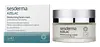
This calming moisturizer is formulated around Potassium Azeloyl Diglycinate and Azelaic Acid to calm redness and fade the look of dark spots.
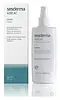
This acne toner is formulated around Azelaic Acid and Salicylic Acid to clear breakouts and balance excess oil.

What's inside
What's inside
 Key Ingredients
Benefits
Concerns
Ingredients Side-by-side
Water
Skin ConditioningTribehenin PEG-20 Esters
EmollientPotassium Azeloyl Diglycinate
Skin Conditioning




Propanediol
Solvent

Dimethicone
Emollient

Cetearyl Alcohol
Emollient






Glyceryl Behenate
Emollient
Titanium Dioxide
Cosmetic Colorant

Lecithin
Emollient
Propylene Glycol
Humectant
Alcohol
Antimicrobial


Triticum Vulgare Germ Extract
Skin ConditioningHydrogenated Polydecene
EmollientSilybum Marianum Extract
Skin Conditioning
Azelaic Acid
Buffering



Boswellia Serrata Gum
Masking
Tranexamic Acid
Astringent
Niacin
SmoothingCetylpyridinium Chloride
AntimicrobialPanthenol
Skin Conditioning
Cichorium Intybus Root Extract
MaskingMelaleuca Alternifolia Leaf Oil
Antioxidant


Sodium Hyaluronate
Humectant

Retinyl Palmitate
Skin Conditioning
Retinal
Skin Conditioning
Phytosphingosine Hcl
Skin ConditioningHydrogenated Lecithin
Emulsifying
Leptospermum Scoparium Branch/Leaf Oil
Tonic
Dipropylene Glycol
HumectantMica
Cosmetic ColorantTriethanolamine
BufferingAmmonium Acryloyldimethyltaurate/Vp Copolymer
Acrylates/C10-30 Alkyl Acrylate Crosspolymer
Emulsion StabilisingXanthan Gum
EmulsifyingTocopheryl Acetate
Antioxidant
Acrylamide
Polysorbate 20
Emulsifying
Sodium Cholate
Skin ConditioningC13-14 Isoparaffin
Emollient
Sodium Hydroxide
BufferingSodium Chloride
MaskingLaureth-7
EmulsifyingTin Oxide
Abrasive
Tocopherol
Antioxidant
Pantolactone
Humectant
Hydrochloric Acid
BufferingPhenoxyethanol
Preservative
Ethylhexylglycerin
Skin ConditioningPotassium Sorbate
Preservative
Parfum
Masking
Linalool
Perfuming
Benzyl Salicylate
Perfuming
Citronellol
Perfuming
Benzyl Benzoate
Antimicrobial
Farnesol
Perfuming
Geraniol
Perfuming
Benzyl Alcohol
Perfuming
Water, Tribehenin PEG-20 Esters, Potassium Azeloyl Diglycinate, Propanediol, Dimethicone, Cetearyl Alcohol, Glyceryl Behenate, Titanium Dioxide, Lecithin, Propylene Glycol, Alcohol, Triticum Vulgare Germ Extract, Hydrogenated Polydecene, Silybum Marianum Extract, Azelaic Acid, Boswellia Serrata Gum, Tranexamic Acid, Niacin, Cetylpyridinium Chloride, Panthenol, Cichorium Intybus Root Extract, Melaleuca Alternifolia Leaf Oil, Sodium Hyaluronate, Retinyl Palmitate, Retinal, Phytosphingosine Hcl, Hydrogenated Lecithin, Leptospermum Scoparium Branch/Leaf Oil, Dipropylene Glycol, Mica, Triethanolamine, Ammonium Acryloyldimethyltaurate/Vp Copolymer, Acrylates/C10-30 Alkyl Acrylate Crosspolymer, Xanthan Gum, Tocopheryl Acetate, Acrylamide, Polysorbate 20, Sodium Cholate, C13-14 Isoparaffin, Sodium Hydroxide, Sodium Chloride, Laureth-7, Tin Oxide, Tocopherol, Pantolactone, Hydrochloric Acid, Phenoxyethanol, Ethylhexylglycerin, Potassium Sorbate, Parfum, Linalool, Benzyl Salicylate, Citronellol, Benzyl Benzoate, Farnesol, Geraniol, Benzyl Alcohol

Reviews
Ingredients Explained
These ingredients are found in both products.
Ingredients higher up in an ingredient list are typically present in a larger amount.
Azelaic acid is a multitasker ingredient that helps treat acne, pigmentation, and irritation. It is a great option for sensitive skin.
What makes it special?
OTC Azelaic acid is usually available in concentrations from 10-15% and anything over requires a prescription.
Here's what each tier does best:
Unlike other acids, azelaic acid will not make your skin more photosensitive/sun sensitive.
Though this ingredient is naturally occurring in grains like wheat, rye, and barley, it is usually synthetically created for cosmetics to ensure stability and effectiveness.
Learn more about Azelaic AcidEthylhexylglycerin is created from glycerin. It is a multitasker ingredient that:
The CIR Expert Panel found minimal skin absorption or sensitization of any kind in a safety assessment. Though this ingredient is considered well-tolerated, a small number of cases of allergic dermatitis have been published since 2002. Just be sure to patch test if you are unsure.
Industry-reported use ranges from 8% in rinse-off products and 2% in leave-on formulations.
Learn more about EthylhexylglycerinPhenoxyethanol is one of the most widely used preservatives in skincare (and for good reason!).
It has a large spectrum of antimicrobial activity and especially effective bacteria, yeast, and mold while only having a weak effect on your skin's natural microbiome.
On a cellular level, it disrupts the cell membranes of microbes by poking holes that make the cell leak. This shuts down the chemical reactions the microbe needs to make energy so it can no longer survive.
Another perk of this ingredient is that it stays functional across a wide pH range (3-10).
You'll often see it paired with boosters like Ethylhexylglycerin; one study showed that a 1:9 ratio of Ethylhexylglycerin to Phenoxyethanol damages bacterial membranes as effectively as doubling the Phenoxyethanol concentration on its own.
Typical use concentrations range from 0.3-1% depending on the formula, and this ingredient is capped at 1% int the EU.
Safety-wise, the fear mongering does not hold up to the evidence. The EU's Scientific Committee on Consumer Safety and FDA consider it safe as a preservative at up to 1%, including for children of all ages.
Adverse systemic effects only showed up in animal studies at exposures roughly 200x higher than what people get from cosmetics. And despite its very widespread use, this ingredient is a rare sensitizer and allergic reactions are uncommon.
Learn more about PhenoxyethanolPropylene Glycol is a synthetic, colorless, odorless liquid that has been a staple in cosmetics for decades. It is a skin conditioning agent, humectant, and solvent.
As a humectant, it draw water to the skin to reduce flaking and restore suppleness. It's also a solvent that helps dissolve other actives and keeps formulas stable across temperature changes.
The CIR Expert Panel has confirmed this ingredient to be nontoxic and clinical studies show no sensitization at cosmetic use concentrations.
True allergic reactions are quite rare: a 15-year retrospective study of 6,751 patients found only 0.31% had a positive reaction (and less than half were considered clinically relevant).
It seemed that when sensitization does occur, it's most commonly linked to topical medication (like corticosteroids) and not cosmetics. Allergic contact dermatitis also appears largely limited to individuals with underlying skin conditions.
Overall, propylene glycol is a well-studied ingredient that most people can tolerate without issue.
Learn more about Propylene GlycolWater. It's the most common cosmetic ingredient of all. You'll usually see it at the top of ingredient lists, meaning that it makes up the largest part of the product.
So why is it so popular? Water most often acts as a solvent - this means that it helps dissolve other ingredients into the formulation.
You'll also recognize water as that liquid we all need to stay alive. If you see this, drink a glass of water. Remember to stay hydrated!
Learn more about Water

