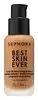
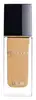
Sephora Collection Best Skin Ever Liquid Foundation Versus Dior Forever Skin Glow Hydrating Foundation SPF 15

What's inside
What's inside
 Key Ingredients
Benefits
Concerns
Ingredients Side-by-side
Water
Skin ConditioningDimethicone
Emollient

CI 77891
Cosmetic ColorantIsohexadecane
EmollientPEG-10 Dimethicone
Skin Conditioning
Propanediol
Solvent

Alcohol
Antimicrobial




CI 77492
Cosmetic ColorantDimethicone Crosspolymer
Emulsion Stabilising
Acrylates Copolymer
Glycerin
Humectant
Magnesium Sulfate
Synthetic Wax
Abrasive

CI 77491
Cosmetic ColorantHydroxyacetophenone
Antioxidant
Disodium Stearoyl Glutamate
CleansingDisteardimonium Hectorite
StabilisingCI 77499
Cosmetic ColorantCaprylyl Glycol
Emollient
Sodium Hyaluronate
Humectant


Propylene Carbonate
SolventAluminum Hydroxide
EmollientHydrolyzed Algin
Helianthus Annuus Seed Oil
Emollient

Phenethyl Alcohol
MaskingSodium Carrageenan
Emulsion StabilisingGlyceryl Stearate Citrate
Emollient
Tocopherol
Antioxidant


Ascorbyl Tetraisopalmitate
Antioxidant
Beta-Sitosterol
Emulsion Stabilising
Squalene
Emollient
Maris Sal
Skin ConditioningWater, Dimethicone, CI 77891, Isohexadecane, PEG-10 Dimethicone, Propanediol, Alcohol, CI 77492, Dimethicone Crosspolymer, Acrylates Copolymer, Glycerin, Magnesium Sulfate, Synthetic Wax, CI 77491, Hydroxyacetophenone, Disodium Stearoyl Glutamate, Disteardimonium Hectorite, CI 77499, Caprylyl Glycol, Sodium Hyaluronate, Propylene Carbonate, Aluminum Hydroxide, Hydrolyzed Algin, Helianthus Annuus Seed Oil, Phenethyl Alcohol, Sodium Carrageenan, Glyceryl Stearate Citrate, Tocopherol, Ascorbyl Tetraisopalmitate, Beta-Sitosterol, Squalene, Maris Sal
Ethylhexyl Salicylate 4.5%
UV Absorber

Titanium Dioxide 4.23%
Cosmetic Colorant
Water
Skin ConditioningAlcohol
Antimicrobial
Methyl Trimethicone
Skin Conditioning
Isododecane
EmollientPhenyl Trimethicone
Skin Conditioning
Glycerin
Humectant
PEG-9 Polydimethylsiloxyethyl Dimethicone
Emulsifying
Trimethyl Pentaphenyl Trisiloxane
Emollient
Acrylates/Dimethicone Copolymer
Skin Conditioning
Dimethicone
Emollient
Butylene Glycol
Humectant
Cetyl Dimethicone
Emollient
Disteardimonium Hectorite
StabilisingCellulose
Absorbent
Cetyl PEG/PPG-10/1 Dimethicone
Emulsifying
Sodium Myristoyl Glutamate
CleansingParfum
Masking

Propylene Carbonate
SolventChlorphenesin
Antimicrobial
Vp/Va Copolymer
Alumina
Abrasive
Stearic Acid
Cleansing
Aluminum Hydroxide
EmollientHibiscus Sabdariffa Flower Extract
Skin ConditioningTromethamine
BufferingTocopherol
Antioxidant
Tropaeolum Majus Flower/Leaf/Stem Extract
Skin ConditioningHexadecene
SolventHydrolyzed Viola Tricolor Extract
Skin Protecting1,2-Hexanediol
Skin Conditioning
Caprylyl Glycol
Emollient
Iris Florentina Root Extract
MaskingSodium Benzoate
Masking
Potassium Sorbate
Preservative
Pentaerythrityl Tetra-Di-T-Butyl Hydroxyhydrocinnamate
Antioxidant
CI 77491
Cosmetic ColorantCI 77492
Cosmetic ColorantCI 77499
Cosmetic ColorantCI 77891
Cosmetic ColorantEthylhexyl Salicylate 4.5%, Titanium Dioxide 4.23%, Water, Alcohol, Methyl Trimethicone, Isododecane, Phenyl Trimethicone, Glycerin, PEG-9 Polydimethylsiloxyethyl Dimethicone, Trimethyl Pentaphenyl Trisiloxane, Acrylates/Dimethicone Copolymer, Dimethicone, Butylene Glycol, Cetyl Dimethicone, Disteardimonium Hectorite, Cellulose, Cetyl PEG/PPG-10/1 Dimethicone, Sodium Myristoyl Glutamate, Parfum, Propylene Carbonate, Chlorphenesin, Vp/Va Copolymer, Alumina, Stearic Acid, Aluminum Hydroxide, Hibiscus Sabdariffa Flower Extract, Tromethamine, Tocopherol, Tropaeolum Majus Flower/Leaf/Stem Extract, Hexadecene, Hydrolyzed Viola Tricolor Extract, 1,2-Hexanediol, Caprylyl Glycol, Iris Florentina Root Extract, Sodium Benzoate, Potassium Sorbate, Pentaerythrityl Tetra-Di-T-Butyl Hydroxyhydrocinnamate, CI 77491, CI 77492, CI 77499, CI 77891
Reviews
Ingredients Explained
These ingredients are found in both products.
Ingredients higher up in an ingredient list are typically present in a larger amount.
This ingredient is also called ethanol or ethyl alcohol. It is denatured, meaning made undrinkable for cosmetic use.
In formulas, it:
Is it bad for your skin?
The answer comes down to concentration. Patch and wash studies have found highly concentrated alcohol-based hand rubs (60-100%) cause less barrier disruption than washing with a basic detergent like SLS. The only measurable effect in these studies was a temporary dip in skin hydration.
Concentrations below 12-15% in leave-on cosmetics is generally well-tolerated. Concentrations above start to see increased transepidermal water loss (TEWL) and reduced hydration.
In concentrations about 58%, it creates temporary channels in your skin's lipid layers to become more permeable and allow other ingredients to slip through easily.
This ingredient can be up to 80% of the formula in alcohol-based perfumes.
Overall, this ingredient is probably harmless if found lower down an ingredients list but worth side-eyeing if it's high up (especially if your barrier is already struggling).
Alcohol can worsen dry skin, eczema, and oily skin, especially at higher concentrations. This is because it can increase transepidermal water loss and decrease hydration to disrupt the skin barrier.
According to the National Rosacea Society based in the US, you should be mindful of products with these alcohols in the top half of ingredients.
True allergic contact dermatitis to ethanol is uncommon, but be sure to patch test if you have dry or sensitive skin.
Learn more about AlcoholAluminum Hydroxide is a form of aluminum. It can be naturally found in nature as the mineral gibbsite. In cosmetics, Aluminum Hydroxide is used as a colorant, pH adjuster, and absorbent.
As a colorant, Aluminum Hydroxide may add opacity, or reduce the transparency. Aluminum hydroxide is contains both basic and acidic properties.
According to manufacturers, this ingredient is an emollient and humectant. This means it helps hydrate the skin.
In medicine, this ingredient is used to help relieve heartburn and help heal ulcers.
There is currently no credible scientific evidence linking aluminum hydroxide in cosmetics to increased cancer risk.
Major health organizations allow the use of aluminum hydroxide in personal care products and have not flagged it as a carcinogenic risk at typical usage levels.
Learn more about Aluminum HydroxideCaprylyl Glycol is a humectant, skin conditioner, emollient, and preservative booster derived from either caprylic acid or synthetically created.
Typical use levels vary from 0.3-1% as a preservative booster and go up to 2% to condition skin.
Because it is not a free-fatty acid, this ingredient is fungal acne safe (there's nothing for Malassezia to feed on).
Learn more about Caprylyl GlycolCi 77491 is also hydrated iron III oxide. It's sole purpose is to give a red/pink hue to products.
Iron III oxides are classified as inorganic chemicals for coloring.
Synthetically created Ci 77491 is considered safer than those naturally found. This is because the synthetically created version may contain less impurities. Iron oxides are generally non-toxic and non-allergenic.
Learn more about CI 77491CI 77492 is also hydrated iron III oxide. It's sole purpose is to give a yellow hue to products.
Iron III oxides are classified as inorganic chemicals for coloring.
Synthetically created CI 77492 is considered safer than those naturally found. This is because the synthetically created version may contain less impurities. Iron oxides are generally non-toxic and non-allergenic.
Learn more about CI 77492Ci 77499 is also hydrated iron III oxide. It is created from mixing red and black iron oxides. This helps give shades of darkness to a product.
Iron III oxides are classified as inorganic chemicals for coloring.
Ci 77891 is a white pigment from Titanium dioxide. It is naturally found in minerals such as rutile and ilmenite.
It's main function is to add a white color to cosmetics. It can also be mixed with other colors to create different shades.
Ci 77891 is commonly found in sunscreens due to its ability to block UV rays.
Learn more about CI 77891Dimethicone is a type of synthetic silicone created from natural materials such as quartz. It is also known as polydimethylsiloxane.
What it does:
Dimethicone comes in different viscosities:
Depending on the viscosity, dimethicone has different properties.
Ingredients lists don't always show which type is used, so we recommend reaching out to the brand if you have questions about the viscosity.
This ingredient is unlikely to cause irritation because it does not get absorbed into skin. However, people with silicone allergies should be careful about using this ingredient.
Note: Dimethicone may contribute to pilling. This is because it is not oil or water soluble, so pilling may occur when layered with products. When mixed with heavy oils in a formula, the outcome is also quite greasy.
Learn more about DimethiconeDisteardimonium Hectorite comes from the clay mineral named hectorite. It is used to add thickness to a product.
It can also help stabilize a product by helping to disperse other ingredients.
Hectorite is a rare, white clay mineral.
Learn more about Disteardimonium HectoriteGlycerin (or glycerol) is a compound naturally found in your skin. It's a powerhouse humectant that pulls water into the stratum corneum.
Topically, glycerin does several things at once:
Your skin makes glycerin on its own (mostly from sebaceous oil breakdown) and shuttles it to your outermost layer of skin, or your epidermis, via aquaporin-3.
Aquaporin-3 is a transporter that is essential for normal skin hydration, elasticity, and repair. Interestingly, mice lacking in AQP3 have dry and less elastic skin that can be fully corrected with glycerin.
This ingredient is non-irritating, plays well with almost every ingredient, and works across all skin types. Typical use is anywhere between 3-10% but can go up to 79% in some leave-on products.
Just know very high concentrations (>40%) can feel tacky in low humidity.
Glycerin is the name for this ingredient in American English. British English uses Glycerol/Glycerine.
Learn more about GlycerinThis ingredient is a solvent. It helps dissolve active ingredients and alter the texture of products.
Propylene Carbonate is commonly used in makeup and with clay, such as montmorillonite or bentonite.
Studies show this ingredient to be safe for cosmetics. When it is undiluted, it can cause skin irritation. (It is always diluted in skincare and makeup). This ingredient is water-soluble.
Propylene Carbonate is created from propylene glycol and carbonic acid.
Learn more about Propylene CarbonateTocopherol is a fat-soluble antioxidant known as Vitamin E.
You'll find this ingredient in the vast majority of skincare (for good reason). It works to neutralize free radicals, or unstable molecules generated by UV exposure, pollution, and other environmental stressors, before they can cause oxidative damage to your skin cells.
Topically applied tocopherol has been shown to protect against UV damage by ramping up the skin's own natural defense enzymes.
It also acts as a skin conditioning agent; some studies show that regular topical use can improve the skin's water-binding capacity over 2-4 weeks.
This ingredient is especially loved for being a team player. When combined with Vitamin C, the photoprotective effect of both ingredients roughly doubles and the combo also helps reduce UV-induced DNA damage.
This ingredient has some brightening potential but it's more of a prevention ingredient than spot-fader. Cell studies show it can slow down melanin production but it's worth noting that it's not the most powerful brightener out there.
In formulations, it also serves as a stabilizer that helps protect other oxidation-prone ingredients from degrading.
Concentrations usually range from 0.1-1% in most leave-on products.
Learn more about TocopherolWater. It's the most common cosmetic ingredient of all. You'll usually see it at the top of ingredient lists, meaning that it makes up the largest part of the product.
So why is it so popular? Water most often acts as a solvent - this means that it helps dissolve other ingredients into the formulation.
You'll also recognize water as that liquid we all need to stay alive. If you see this, drink a glass of water. Remember to stay hydrated!
Learn more about Water

