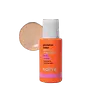
This chemical sunscreen covers the full UV range and blocks ~98% of UVB at SPF 60.
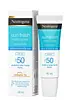
This hybrid sunscreen covers the full UV range and blocks ~98% of UVB at SPF 50.


What's inside
What's inside
 Key Ingredients
Benefits
Concerns
Ingredients Side-by-side
Water
Skin ConditioningOctocrylene
UV Absorber



Butyl Methoxydibenzoylmethane
UV Absorber
Diisopropyl Sebacate
EmollientPhenylbenzimidazole Sulfonic Acid
UV Absorber
Triheptanoin
Skin ConditioningPropanediol Dicaprylate/Caprate
EmollientEthylhexyl Triazone
UV Absorber
Niacinamide
Smoothing











Diethylamino Hydroxybenzoyl Hexyl Benzoate
UV Filter
Calcium Starch Octenylsuccinate
AbsorbentCI 77891
Cosmetic ColorantCI 77491
Cosmetic ColorantCI 77499
Cosmetic ColorantPolyglyceryl-6 Stearate
Emollient

Glyceryl Stearate
Emollient
PEG-100 Stearate
Surfactant
Carnosine
Skin Conditioning
Silica
Abrasive
Sodium Hydroxide
BufferingHydroxyacetophenone
Antioxidant
1,2-Hexanediol
Skin Conditioning
Caprylyl Glycol
Emollient
Sodium Gluconate
ChelatingXanthan Gum
EmulsifyingPentaerythrityl Tetra-Di-T-Butyl Hydroxyhydrocinnamate
Antioxidant
Polyglyceryl-6 Behenate
Emulsion Stabilising
PEG-12 Dimethicone
Skin Conditioning
Water, Octocrylene, Butyl Methoxydibenzoylmethane, Diisopropyl Sebacate, Phenylbenzimidazole Sulfonic Acid, Triheptanoin, Propanediol Dicaprylate/Caprate, Ethylhexyl Triazone, Niacinamide, Diethylamino Hydroxybenzoyl Hexyl Benzoate, Calcium Starch Octenylsuccinate, CI 77891, CI 77491, CI 77499, Polyglyceryl-6 Stearate, Glyceryl Stearate, PEG-100 Stearate, Carnosine, Silica, Sodium Hydroxide, Hydroxyacetophenone, 1,2-Hexanediol, Caprylyl Glycol, Sodium Gluconate, Xanthan Gum, Pentaerythrityl Tetra-Di-T-Butyl Hydroxyhydrocinnamate, Polyglyceryl-6 Behenate, PEG-12 Dimethicone
Water
Skin ConditioningDiethylamino Hydroxybenzoyl Hexyl Benzoate
UV Filter
Ethylhexyl Triazone
UV Absorber
C12-15 Alkyl Benzoate
AntimicrobialDiisopropyl Adipate
EmollientCaprylyl Methicone
Skin Conditioning
Aluminum Starch Octenylsuccinate
Absorbent
Methylene Bis-Benzotriazolyl Tetramethylbutylphenol
UV Filter
Niacinamide
Smoothing
Dimethicone
Emollient
Diisopropyl Sebacate
EmollientGlycerin
Humectant
Glyceryl Stearate
Emollient
PEG-100 Stearate
Surfactant
Hydroxyacetophenone
Antioxidant
Bis-Ethylhexyloxyphenol Methoxyphenyl Triazine
UV Absorber
Potassium Cetyl Phosphate
EmulsifyingTriacontanyl Pvp
HumectantDimethicone Crosspolymer
Emulsion Stabilising
Hydroxyethyl Acrylate/Sodium Acryloyldimethyl Taurate Copolymer
Emulsion StabilisingHydrolyzed Jojoba Esters
Skin Conditioning
Titanium Dioxide
Cosmetic Colorant
Sodium Ascorbyl Phosphate
Antioxidant
Tocopheryl Acetate
Antioxidant
Disodium EDTA
ChelatingAcrylates/C10-30 Alkyl Acrylate Crosspolymer
Emulsion StabilisingPentylene Glycol
Skin Conditioning
Panthenol
Skin Conditioning
Parfum
Masking

Silica
Abrasive
Sodium Hyaluronate
Humectant
Jojoba Esters
Emollient
Sodium Hydroxide
BufferingWater, Diethylamino Hydroxybenzoyl Hexyl Benzoate, Ethylhexyl Triazone, C12-15 Alkyl Benzoate, Diisopropyl Adipate, Caprylyl Methicone, Aluminum Starch Octenylsuccinate, Methylene Bis-Benzotriazolyl Tetramethylbutylphenol, Niacinamide, Dimethicone, Diisopropyl Sebacate, Glycerin, Glyceryl Stearate, PEG-100 Stearate, Hydroxyacetophenone, Bis-Ethylhexyloxyphenol Methoxyphenyl Triazine, Potassium Cetyl Phosphate, Triacontanyl Pvp, Dimethicone Crosspolymer, Hydroxyethyl Acrylate/Sodium Acryloyldimethyl Taurate Copolymer, Hydrolyzed Jojoba Esters, Titanium Dioxide, Sodium Ascorbyl Phosphate, Tocopheryl Acetate, Disodium EDTA, Acrylates/C10-30 Alkyl Acrylate Crosspolymer, Pentylene Glycol, Panthenol, Parfum, Silica, Sodium Hyaluronate, Jojoba Esters, Sodium Hydroxide
Ingredients Explained
These ingredients are found in both products.
Ingredients higher up in an ingredient list are typically present in a larger amount.
Diethylamino Hydroxybenzoyl Hexyl Benzoate (DHHB) is a chemical UV-A absorber. It is formulated for high UVA protection (320-400 nm).
DHHB is well-liked for:
DHHB has been approved by the EU, Japan, Taiwan, and South America for use up to 10%. Unfortunately, it has not been approved for use in the US or Canada due to slow regulatory processes.
This ingredient is soluble in oils, fats, and lipids.
Learn more about Diethylamino Hydroxybenzoyl Hexyl BenzoateWe don't have a description for Diisopropyl Sebacate yet.
Ethylhexyl Triazone (aka Octyl Triazone) is an oil-soluble organic UVB filter. It has peak absorption around 314 nm, right in the middle of the UVB range.
This ingredient is described as one of the most effective UVB filters available and small concentrations are enough to deliver a high SPF thanks to its strong UV absorbing power.
Formulators love it for its stability; its ability to filter UV stays practically unchanged even under intense radiation and it can also help boost the photostability of less stable filters like avobenzone.
It's also a great pick for water resistant products because it's insoluble in water and has a good affinity for keratin.
Because it's a big, heavy molecule, the European Scientific Committee has found to to have very low dermal penetration and negative results for allergenicity.
In vitro testing also showed a low absorption rate and clean results on irritation.
Typical use levels are 1-5% with 5% being the maximum in the EU, Japan, and other markets that allow it. However, this ingredient is not approved yet in the US or Canada.
Learn more about Ethylhexyl TriazoneGlyceryl Stearate is made by reacting glycerin with stearic acid (typically sourced from plant oils like palm or coconut). It's an emulsifier, emollient, and mild occlusive.
Emulsifiers help ingredients like oil and water stay mixed so your formula stays nicely blended and uniform in texture.
This ingredient is typically used in concentrations between 1-10%. Studies have found it to be non-sensitizing, non-phototoxic, and non-photoallergenic.
A close cousin of this ingredient is Glyceryl Stearate SE ("self-emulsifying"). This just has a small amount of sodium or potassium stearate added so it can emulsify without a co-emulsifier.
Since this ingredient is an ester of a C18 fatty acid, it may not be fungal acne safe. The Malassezia yeast can potentially metabolize within the C11-C24 range.
Fun fact: The human body also creates Glyceryl Stearate naturally.
Learn more about Glyceryl StearateHydroxyacetophenone is a small phenolic molecule that earns its place in a formulas as an antioxidant and preservative booster.
As a phenol, it is able to neutralize free radicals to protect both the product and the skin from oxidative stress.
Though it can't kill microbes on its own, it works as a good supporting agent when combined with other preservatives like Phenoxyethanol or 1,2-Hexanediol.
This ingredient naturally occurs as piceol in Norwegian spruce needles (~0.4-1.1% dry weight and in cloudberries). Though the cosmetic-grade material is synthesized for purity and consistency.
You'll usually see it used at low levels and suppliers recommend up to 1% added to a water phase.
Safety testing was done at concentrations like 0.05% in SPF products and 0.5% in a Human Repeated Insult Patch Test. The safety evidence is assuring; this ingredient is safe for cosmetics in current use and also holds safety status as a food flavoring as well.
An honest caveat: the "soothing" and "anti-inflammatory" claims come mostly from supplier marketing rather than published clinical trials. The Cosmetic Ingredient Review's own literature search found no useful efficacy studies on this ingredient.
So the antioxidant and preservative-boosting roles are the well supported ones while the calming benefit is plausible but thinly evidenced.
Overall, this is a well-tolerated, low-irritation multitasker that quietly helps a formula stay fresh and stable.
Learn more about HydroxyacetophenoneNiacinamide is a multitasking form of vitamin B3 that strengthens the skin barrier, reduces pores and dark spots, regulates oil, and improves signs of aging.
And the best part? It's gentle and well-tolerated by most skin types, including sensitive and reactive skin.
You might have heard of "niacin flush", or the reddening of skin that causes itchiness. Niacinamide has not been found to cause this.
In very rare cases, some individuals may not be able to tolerate niacinamide at all or experience an allergic reaction to it.
If you are experiencing flaking, irritation, and dryness with this ingredient, be sure to double check all your products as this ingredient can be found in all categories of skincare.
When incorporating niacinamide into your routine, look out for concentration amounts. Typically, 5% niacinamide provides benefits such as fading dark spots. However, if you have sensitive skin, it is better to begin with a smaller concentration.
When you apply niacinamide to your skin, your body converts it into nicotinamide adenine dinucleotide (NAD). NAD is an essential coenzyme that is already found in your cells as "fuel" and powers countless biological processes.
In your skin, NAD helps repair cell damage, produce new healthy cells, support collagen production, strengthen the skin barrier, and fight environmental stressors (like UV and pollution).
Our natural NAD levels start to decline with age, leading to slower skin repair, visible aging, and a weaker skin barrier. By providing your skin niacinamide, you're recharging your skin's NAD levels. This leads to stronger, healthier, and younger looking skin.
Another name for vitamin B3 is nicotinamide. This vitamin is water-soluble and our bodies don't store it. We obtain Vitamin B3 from either food or skincare. Meat, fish, wheat, yeast, and leafy greens contain vitamin B3.
The type of niacinamide used in skincare is synthetically created.
Learn more about NiacinamidePeg-100 Stearate is an emollient and emulsifier. As an emollient, it helps keep skin soft by trapping moisture in. On the other hand, emulsifiers help prevent oil and water from separating in a product.
PEGS are a hydrophilic polyether compound . There are 100 ethylene oxide monomers in Peg-100 Stearate. Peg-100 Stearate is polyethylene glycol ester of stearic acid.
Silica, also known as silicon dioxide, is a naturally occurring mineral. It is used as a fine, spherical, and porous powder in cosmetics.
Though it has exfoliant properties, the function of silica varies depending on the product.
The unique structure of silica enhances the spreadability and adds smoothness, making it a great texture enhancer.
It is also used as an active carrier, emulsifier, and mattifier due to its ability to absorb excess oil.
In some products, tiny microneedles called spicules are made from silica or hydrolyzed sponge. When you rub them in, they lightly polish away dead skin layers and enhance the penetration of active ingredients.
Learn more about SilicaSodium Hydroxide is also known as lye or caustic soda. It is used to adjust the pH of products; many ingredients require a specific pH to be effective.
In small amounts, sodium hydroxide is considered safe to use. However, large amounts may cause chemical burns due to its high alkaline.
Your skin has a natural pH and acid mantle. This acid mantle helps prevent harmful bacteria from breaking through. The acid mantle also helps keep your skin hydrated.
"Alkaline" refers to a high pH level. A low pH level would be considered acidic.
Learn more about Sodium HydroxideWater. It's the most common cosmetic ingredient of all. You'll usually see it at the top of ingredient lists, meaning that it makes up the largest part of the product.
So why is it so popular? Water most often acts as a solvent - this means that it helps dissolve other ingredients into the formulation.
You'll also recognize water as that liquid we all need to stay alive. If you see this, drink a glass of water. Remember to stay hydrated!
Learn more about Water

