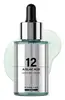
This calming serum is formulated around Azelaic Acid and Panthenol to calm redness and fade the look of dark spots.
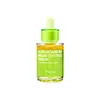
This acne serum is formulated around Azelaic Acid and Melaleuca Alternifolia Leaf Water to clear breakouts and fade the look of dark spots.

What's inside
What's inside
 Key Ingredients
Benefits
Concerns
Ingredients Side-by-side
Water
Skin ConditioningPropylene Glycol
Humectant


Azelaic Acid
Buffering









Sodium Hydroxide
Buffering2,3-Butanediol
Humectant1,2-Hexanediol
Skin Conditioning
Hydroxyethylcellulose
Emulsion StabilisingPanthenol
Skin Conditioning
Xylitylglucoside
Humectant
Trisodium Ethylenediamine Disuccinate
Ethylhexylglycerin
Skin ConditioningAllantoin
Skin Conditioning
Biosaccharide Gum-1
Humectant
Butylene Glycol
Humectant
Anhydroxylitol
Humectant
Xylitol
Humectant
Xylose
HumectantMalachite Extract
Antioxidant
Coptis Japonica Extract
AntimicrobialSodium Hyaluronate
Humectant

Arginine
Masking
Aminomethyl Propanediol
BufferingTetrahydroxypropyl Ethylenediamine
Beta-Glucan
Skin Conditioning
Dimethylsilanol Hyaluronate
Humectant
Hydrolyzed Hyaluronic Acid
Humectant
Hydrolyzed Sodium Hyaluronate
Skin Conditioning
Hyaluronic Acid
Humectant
Potassium Hyaluronate
Skin ConditioningHydroxypropyltrimonium Hyaluronate
Sodium Hyaluronate Crosspolymer
Humectant
Sodium Hyaluronate Dimethylsilanol
HumectantSodium Acetylated Hyaluronate
Humectant
Tocopherol
Antioxidant
Tranexamic Acid
Astringent
Madecassoside
Antioxidant
Asiaticoside
Antioxidant
Centella Asiatica Leaf Extract
Skin Conditioning
Water, Propylene Glycol, Azelaic Acid, Sodium Hydroxide, 2,3-Butanediol, 1,2-Hexanediol, Hydroxyethylcellulose, Panthenol, Xylitylglucoside, Trisodium Ethylenediamine Disuccinate, Ethylhexylglycerin, Allantoin, Biosaccharide Gum-1, Butylene Glycol, Anhydroxylitol, Xylitol, Xylose, Malachite Extract, Coptis Japonica Extract, Sodium Hyaluronate, Arginine, Aminomethyl Propanediol, Tetrahydroxypropyl Ethylenediamine, Beta-Glucan, Dimethylsilanol Hyaluronate, Hydrolyzed Hyaluronic Acid, Hydrolyzed Sodium Hyaluronate, Hyaluronic Acid, Potassium Hyaluronate, Hydroxypropyltrimonium Hyaluronate, Sodium Hyaluronate Crosspolymer, Sodium Hyaluronate Dimethylsilanol, Sodium Acetylated Hyaluronate, Tocopherol, Tranexamic Acid, Madecassoside, Asiaticoside, Centella Asiatica Leaf Extract
Water
Skin ConditioningAzelaic Acid
Buffering
Melaleuca Alternifolia Leaf Water
Antimicrobial
Butylene Glycol
Humectant
Caprylic/Capric Triglyceride
Masking
Hydroxypropyl Cyclodextrin
MaskingDisodium Phosphate
Buffering1,2-Hexanediol
Skin Conditioning
Glycerin
Humectant
Niacinamide
Smoothing
Maltodextrin
Absorbent
Hydroxyethylcellulose
Emulsion StabilisingCoptis Japonica Root Extract
Skin ConditioningAgar
MaskingGellan Gum
Kojic Acid
Antioxidant
Ethylhexylglycerin
Skin ConditioningHydroxydecyl Ubiquinone
Antioxidant
Adenosine
Skin Conditioning
Trisodium Ethylenediamine Disuccinate
Malachite Extract
Antioxidant
Melaleuca Alternifolia Leaf Oil
Antioxidant



Arginine
Masking
Xanthan Gum
EmulsifyingTocopherol
Antioxidant
Glutathione
Bisabolol
Antioxidant
Helianthus Annuus Seed Oil
Emollient
Xanthophylls
Skin ConditioningWater, Azelaic Acid, Melaleuca Alternifolia Leaf Water, Butylene Glycol, Caprylic/Capric Triglyceride, Hydroxypropyl Cyclodextrin, Disodium Phosphate, 1,2-Hexanediol, Glycerin, Niacinamide, Maltodextrin, Hydroxyethylcellulose, Coptis Japonica Root Extract, Agar, Gellan Gum, Kojic Acid, Ethylhexylglycerin, Hydroxydecyl Ubiquinone, Adenosine, Trisodium Ethylenediamine Disuccinate, Malachite Extract, Melaleuca Alternifolia Leaf Oil, Arginine, Xanthan Gum, Tocopherol, Glutathione, Bisabolol, Helianthus Annuus Seed Oil, Xanthophylls
Reviews
Ingredients Explained
These ingredients are found in both products.
Ingredients higher up in an ingredient list are typically present in a larger amount.
1,2-Hexanediol is a synthetic liquid and another multi-functional powerhouse.
It is a:
- Humectant, drawing moisture into the skin
- Emollient, helping to soften skin
- Solvent, dispersing and stabilizing formulas
- Preservative booster, enhancing the antimicrobial activity of other preservatives
Arginine is a semi-essential amino acid. This just means our bodies can product a bit on its own, but sometimes needs a little boost from food sources.
It is a part of your skin's natural moisturizing factor (NMF), or the water-loving molecules in your outermost layer of skin (stratum corneum) that keeps everything hydrated and happy.
Here's an interesting thing about Arginine: your skin converts it into urea through the Krebs-Henseleit urea cycle. Urea is one of the most effective humectants your skin naturally produces.
A clinical study showed applying 2.5% arginine hydrochloride to atopic dermatitis skin showed significant urea levels in the stratum corneum and improved moisture in just four weeks.
Arginine is also a precursor to nitric oxide; nitric oxide improves microcirculation and supports wound healing and collagen synthesis.
One study found that an amino acid complex containing Arginine reduced skin irritation, improved hydration, and accelerated skin repair in clinical / in-vivo studies.
Arginine itself is an amino acid and not a fatty acid, oil, or ester. On its own, it's not a direct food source for Malassezia, or the yeast that causes fungal acne.
Learn more about ArginineAzelaic acid is a multitasker ingredient that helps treat acne, pigmentation, and irritation. It is a great option for sensitive skin.
What makes it special?
OTC Azelaic acid is usually available in concentrations from 10-15% and anything over requires a prescription.
Here's what each tier does best:
Unlike other acids, azelaic acid will not make your skin more photosensitive/sun sensitive.
Though this ingredient is naturally occurring in grains like wheat, rye, and barley, it is usually synthetically created for cosmetics to ensure stability and effectiveness.
Learn more about Azelaic AcidButylene Glycol (or BG) is used within cosmetic products for a few different reasons:
Overall, Butylene Glycol is a safe and well-rounded ingredient that works well with other ingredients.
Though this ingredient works well with most skin types, some people with sensitive skin may experience a reaction such as allergic rashes, closed comedones, or itchiness.
Learn more about Butylene GlycolEthylhexylglycerin is created from glycerin. It is a multitasker ingredient that:
The CIR Expert Panel found minimal skin absorption or sensitization of any kind in a safety assessment. Though this ingredient is considered well-tolerated, a small number of cases of allergic dermatitis have been published since 2002. Just be sure to patch test if you are unsure.
Industry-reported use ranges from 8% in rinse-off products and 2% in leave-on formulations.
Learn more about EthylhexylglycerinHydroxyethylcellulose is used to improve the texture of products. It is created from a chemical reaction involving ethylene oxide and alkali-cellulose. Cellulose is a sugar found in plant cell walls and help give plants structure.
This ingredient helps stabilize products by preventing ingredients from separating. It can also help thicken the texture of a product.
This ingredient can also be found in pill medicines to help our bodies digest other ingredients.
Learn more about HydroxyethylcelluloseMalachite extract is created by grinding down the malachite stone.
More than half of the mineral is made up of copper, which plays a role in skin formation and regeneration processes.
Tocopherol is a fat-soluble antioxidant known as Vitamin E.
You'll find this ingredient in the vast majority of skincare (for good reason). It works to neutralize free radicals, or unstable molecules generated by UV exposure, pollution, and other environmental stressors, before they can cause oxidative damage to your skin cells.
Topically applied tocopherol has been shown to protect against UV damage by ramping up the skin's own natural defense enzymes.
It also acts as a skin conditioning agent; some studies show that regular topical use can improve the skin's water-binding capacity over 2-4 weeks.
This ingredient is especially loved for being a team player. When combined with Vitamin C, the photoprotective effect of both ingredients roughly doubles and the combo also helps reduce UV-induced DNA damage.
This ingredient has some brightening potential but it's more of a prevention ingredient than spot-fader. Cell studies show it can slow down melanin production but it's worth noting that it's not the most powerful brightener out there.
In formulations, it also serves as a stabilizer that helps protect other oxidation-prone ingredients from degrading.
Concentrations usually range from 0.1-1% in most leave-on products.
Learn more about TocopherolTrisodium Ethylenediamine Disuccinate is used to help stabilize a product.
It is a chelating agent, meaning it helps prevent metal ions from binding to other ingredients. This prevents unwanted reactions in products. Metal ions can come into a product via the water ingredient. They are found in trace amounts and are not known to be harmful.
Water. It's the most common cosmetic ingredient of all. You'll usually see it at the top of ingredient lists, meaning that it makes up the largest part of the product.
So why is it so popular? Water most often acts as a solvent - this means that it helps dissolve other ingredients into the formulation.
You'll also recognize water as that liquid we all need to stay alive. If you see this, drink a glass of water. Remember to stay hydrated!
Learn more about Water

