Rituals Cosmetics The Ritual Of Namaste Clarifying Facial Toner Versus O Boticário Gel Creme Facial Ácido Hialurónico Botik
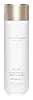
This hydrating toner is formulated around Aloe Barbadensis Leaf Juice and Rosa Damascena Flower Water to hydrate skin and calm redness.
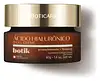
This barrier-repair moisturizer is formulated around Hydrolyzed Hyaluronic Acid and Palmitoyl Tripeptide-5 to strengthen the skin barrier and hydrate skin.


What's inside
What's inside
 Key Ingredients
Benefits
Concerns
Ingredients Side-by-side
Water
Skin ConditioningAloe Barbadensis Leaf Juice
Skin Conditioning


Rosa Damascena Flower Water
Masking
Glycerin
Humectant

Phragmites Karka Extract
Skin ConditioningPoria Cocos Extract
Skin ConditioningNelumbo Nucifera Flower Extract
Skin ConditioningAlpha-Glucan Oligosaccharide
Cleansing
Polyglyceryl-10 Laurate
Skin Conditioning

Tocopherol
Antioxidant




Citric Acid
Buffering
Sodium Citrate
BufferingSodium Hydroxide
BufferingPotassium Sorbate
Preservative
Benzoic Acid
Masking
Dehydroacetic Acid
Preservative
Sodium Benzoate
Masking
Benzyl Alcohol
Perfuming




Citronellol
Perfuming
Water, Aloe Barbadensis Leaf Juice, Rosa Damascena Flower Water, Glycerin, Phragmites Karka Extract, Poria Cocos Extract, Nelumbo Nucifera Flower Extract, Alpha-Glucan Oligosaccharide, Polyglyceryl-10 Laurate, Tocopherol, Citric Acid, Sodium Citrate, Sodium Hydroxide, Potassium Sorbate, Benzoic Acid, Dehydroacetic Acid, Sodium Benzoate, Benzyl Alcohol, Citronellol
Water
Skin ConditioningDimethicone Crosspolymer
Emulsion Stabilising
Glycerin
Humectant
Caprylyl Methicone
Skin Conditioning
Hydrogenated Farnesene
EmollientBiosaccharide Gum-1
Humectant
Sodium Acrylates Copolymer
PPG-1-PEG-9 Lauryl Glycol Ether
EmulsifyingTocopheryl Acetate
Antioxidant
Ethylhexylglycerin
Skin ConditioningLecithin
Emollient
Phenoxyethanol
Preservative
Parfum
Masking
Methyl Methacrylate Crosspolymer

Acrylates/C10-30 Alkyl Acrylate Crosspolymer
Emulsion StabilisingPanthenol
Skin Conditioning
Triethanolamine
BufferingHydrolyzed Hyaluronic Acid
Humectant
Sodium Lauroyl Lactylate
EmulsifyingMaltodextrin
Absorbent
Disodium EDTA
ChelatingPalmitoyl Tripeptide-5
Skin Conditioning

Ceramide NP
Skin Conditioning
Ceramide AP
Skin Conditioning
Phytosphingosine
Skin Conditioning
Cholesterol
Emollient
Saponins
CleansingSaccharide Isomerate
Humectant
Xanthan Gum
EmulsifyingCarbomer
Emulsion StabilisingMineral Salts
Skin ConditioningCI 19140
Cosmetic ColorantCoenochloris Signiensis Extract
Skin ConditioningCeramide EOP
Skin Conditioning
Benzyl Salicylate
Perfuming
Citronellol
Perfuming
Geraniol
Perfuming
Hydroxycitronellal
Perfuming
Limonene
Perfuming
Linalool
Perfuming
Water, Dimethicone Crosspolymer, Glycerin, Caprylyl Methicone, Hydrogenated Farnesene, Biosaccharide Gum-1, Sodium Acrylates Copolymer, PPG-1-PEG-9 Lauryl Glycol Ether, Tocopheryl Acetate, Ethylhexylglycerin, Lecithin, Phenoxyethanol, Parfum, Methyl Methacrylate Crosspolymer, Acrylates/C10-30 Alkyl Acrylate Crosspolymer, Panthenol, Triethanolamine, Hydrolyzed Hyaluronic Acid, Sodium Lauroyl Lactylate, Maltodextrin, Disodium EDTA, Palmitoyl Tripeptide-5, Ceramide NP, Ceramide AP, Phytosphingosine, Cholesterol, Saponins, Saccharide Isomerate, Xanthan Gum, Carbomer, Mineral Salts, CI 19140, Coenochloris Signiensis Extract, Ceramide EOP, Benzyl Salicylate, Citronellol, Geraniol, Hydroxycitronellal, Limonene, Linalool
Reviews
Ingredients Explained
These ingredients are found in both products.
Ingredients higher up in an ingredient list are typically present in a larger amount.
Citronellol is used to add fragrance/parfum to a product. It is often derived from plants such as roses. In fact, it can be found in many essential oils including geranium, lavender, neroli, and more. The scent of Citronellol is often described as "fresh, grassy, and citrus-like".
Since the Citronellol molecule is already unstable, Citronellol becomes irritating on the skin when exposed to air.
Citronellol is a modified terpene. Terpenes are unsaturated hydrocarbons found in plants. They make up the primary part of essential oils.
Citronellol is not able to be absorbed into deeper layers of the skin. It has low permeability,
Citronellol is also a natural insect repellent.
Learn more about CitronellolGlycerin (or glycerol) is a compound naturally found in your skin. It's a powerhouse humectant that pulls water into the stratum corneum.
Topically, glycerin does several things at once:
Your skin makes glycerin on its own (mostly from sebaceous oil breakdown) and shuttles it to your outermost layer of skin, or your epidermis, via aquaporin-3.
Aquaporin-3 is a transporter that is essential for normal skin hydration, elasticity, and repair. Interestingly, mice lacking in AQP3 have dry and less elastic skin that can be fully corrected with glycerin.
This ingredient is non-irritating, plays well with almost every ingredient, and works across all skin types. Typical use is anywhere between 3-10% but can go up to 79% in some leave-on products.
Just know very high concentrations (>40%) can feel tacky in low humidity.
Glycerin is the name for this ingredient in American English. British English uses Glycerol/Glycerine.
Learn more about GlycerinWater. It's the most common cosmetic ingredient of all. You'll usually see it at the top of ingredient lists, meaning that it makes up the largest part of the product.
So why is it so popular? Water most often acts as a solvent - this means that it helps dissolve other ingredients into the formulation.
You'll also recognize water as that liquid we all need to stay alive. If you see this, drink a glass of water. Remember to stay hydrated!
Learn more about Water

