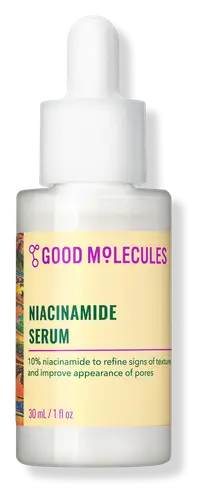

What's inside
What's inside
 Key Ingredients
Benefits
Ingredients Side-by-side
Centella Asiatica Leaf Water
Skin Conditioning


Propanediol
Solvent
Polyglycerin-3
Humectant
Butylene Glycol
Humectant
Niacinamide
Smoothing








1,2-Hexanediol
Skin Conditioning
Water
Skin ConditioningGlycerin
Humectant
Madecassoside
Antioxidant
Aminobutyric Acid
Panthenol
Skin Conditioning
Artemisia Capillaris Extract
Ascorbic Acid
Antioxidant
Dimethyl Sulfone
SolventHydroxyethylcellulose
Emulsion StabilisingXanthan Gum
EmulsifyingMorinda Citrifolia Extract
AstringentTocopherol
Antioxidant
Disodium EDTA
Adenosine
Skin Conditioning
Helianthus Annuus Seed Oil
Emollient

Cichorium Intybus Root Extract
MaskingGlycine
Buffering
Serine
Masking
Glutamic Acid
Humectant
Sparassis Crispa Extract
Emulsion StabilisingAspartic Acid
Masking
Olea Europaea Fruit Extract
BleachingLeucine
Skin ConditioningPentylene Glycol
Skin Conditioning
Caprylyl Glycol
Emollient
Alanine
Masking
Lysine
Skin ConditioningVaccinium Macrocarpon Fruit Extract
AstringentRubus Idaeus Fruit Extract
AstringentRubus Fruticosus Fruit Extract
AstringentVaccinium Angustifolium Fruit Extract
Skin Protecting
Euterpe Oleracea Fruit Extract
Arginine
Masking
Tyrosine
MaskingPhenylalanine
Masking
Valine
MaskingThreonine
Proline
Skin Conditioning
Isoleucine
Skin ConditioningOctyldodecanol
Emollient
Histidine
Humectant
Solanum Lycopersicum Fruit Extract
Antioxidant
Oryza Sativa Extract
Absorbent
Panax Ginseng Root Extract
Emollient
Nelumbo Nucifera Flower Extract
Skin ConditioningMethionine
Skin ConditioningCysteine
Antioxidant
Ethylhexylglycerin
Skin ConditioningCeramide NP
Skin Conditioning
Palmitoyl Pentapeptide-4
Skin Conditioning
Caprylic/Capric Triglyceride
Masking
Dipropylene Glycol
HumectantHydrogenated Lecithin
Emulsifying
Camellia Japonica Seed Oil
Emollient
Macadamia Ternifolia Seed Oil
Emollient
Argania Spinosa Kernel Oil
Emollient
Limnanthes Alba Seed Oil
Skin Conditioning
Glycine Soja Sterols
Emollient
Hydroxydecyl Ubiquinone
Antioxidant
Acetyl Hexapeptide-8
Humectant
Sodium Hyaluronate
Humectant
Carbomer
Emulsion StabilisingTromethamine
BufferingCentella Asiatica Leaf Water, Propanediol, Polyglycerin-3, Butylene Glycol, Niacinamide, 1,2-Hexanediol, Water, Glycerin, Madecassoside, Aminobutyric Acid, Panthenol, Artemisia Capillaris Extract, Ascorbic Acid, Dimethyl Sulfone, Hydroxyethylcellulose, Xanthan Gum, Morinda Citrifolia Extract, Tocopherol, Disodium EDTA, Adenosine, Helianthus Annuus Seed Oil, Cichorium Intybus Root Extract, Glycine, Serine, Glutamic Acid, Sparassis Crispa Extract, Aspartic Acid, Olea Europaea Fruit Extract, Leucine, Pentylene Glycol, Caprylyl Glycol, Alanine, Lysine, Vaccinium Macrocarpon Fruit Extract, Rubus Idaeus Fruit Extract, Rubus Fruticosus Fruit Extract, Vaccinium Angustifolium Fruit Extract, Euterpe Oleracea Fruit Extract, Arginine, Tyrosine, Phenylalanine, Valine, Threonine, Proline, Isoleucine, Octyldodecanol, Histidine, Solanum Lycopersicum Fruit Extract, Oryza Sativa Extract, Panax Ginseng Root Extract, Nelumbo Nucifera Flower Extract, Methionine, Cysteine, Ethylhexylglycerin, Ceramide NP, Palmitoyl Pentapeptide-4, Caprylic/Capric Triglyceride, Dipropylene Glycol, Hydrogenated Lecithin, Camellia Japonica Seed Oil, Macadamia Ternifolia Seed Oil, Argania Spinosa Kernel Oil, Limnanthes Alba Seed Oil, Glycine Soja Sterols, Hydroxydecyl Ubiquinone, Acetyl Hexapeptide-8, Sodium Hyaluronate, Carbomer, Tromethamine
Reviews
Ingredients Explained
These ingredients are found in both products.
Ingredients higher up in an ingredient list are typically present in a larger amount.
1,2-Hexanediol is a synthetic liquid and another multi-functional powerhouse.
It is a:
- Humectant, drawing moisture into the skin
- Emollient, helping to soften skin
- Solvent, dispersing and stabilizing formulas
- Preservative booster, enhancing the antimicrobial activity of other preservatives
Dipropylene Glycol is a synthetically created humectant, stabilizer, and solvent.
This ingredient helps:
Dipropylene glycol is technically an alcohol, but it belongs to the glycol family (often considered part of the ‘good’ alcohols). This means it is hydrating and gentle on skin unlike drying solvent alcohols like denatured alcohol.
As a masking agent, Dipropylene Glycol can be used to cover the smell of other ingredients. However, it does not have a scent.
Studies show Dipropylene Glycol is considered safe to use in skincare.
Learn more about Dipropylene GlycolEthylhexylglycerin is created from glycerin. It is a multitasker ingredient that:
The CIR Expert Panel found minimal skin absorption or sensitization of any kind in a safety assessment. Though this ingredient is considered well-tolerated, a small number of cases of allergic dermatitis have been published since 2002. Just be sure to patch test if you are unsure.
Industry-reported use ranges from 8% in rinse-off products and 2% in leave-on formulations.
Learn more about EthylhexylglycerinGlycerin (or glycerol) is a compound naturally found in your skin. It's a powerhouse humectant that pulls water into the stratum corneum.
Topically, glycerin does several things at once:
Your skin makes glycerin on its own (mostly from sebaceous oil breakdown) and shuttles it to your outermost layer of skin, or your epidermis, via aquaporin-3.
Aquaporin-3 is a transporter that is essential for normal skin hydration, elasticity, and repair. Interestingly, mice lacking in AQP3 have dry and less elastic skin that can be fully corrected with glycerin.
This ingredient is non-irritating, plays well with almost every ingredient, and works across all skin types. Typical use is anywhere between 3-10% but can go up to 79% in some leave-on products.
Just know very high concentrations (>40%) can feel tacky in low humidity.
Glycerin is the name for this ingredient in American English. British English uses Glycerol/Glycerine.
Learn more about GlycerinNiacinamide is a multitasking form of vitamin B3 that strengthens the skin barrier, reduces pores and dark spots, regulates oil, and improves signs of aging.
And the best part? It's gentle and well-tolerated by most skin types, including sensitive and reactive skin.
You might have heard of "niacin flush", or the reddening of skin that causes itchiness. Niacinamide has not been found to cause this.
In very rare cases, some individuals may not be able to tolerate niacinamide at all or experience an allergic reaction to it.
If you are experiencing flaking, irritation, and dryness with this ingredient, be sure to double check all your products as this ingredient can be found in all categories of skincare.
When incorporating niacinamide into your routine, look out for concentration amounts. Typically, 5% niacinamide provides benefits such as fading dark spots. However, if you have sensitive skin, it is better to begin with a smaller concentration.
When you apply niacinamide to your skin, your body converts it into nicotinamide adenine dinucleotide (NAD). NAD is an essential coenzyme that is already found in your cells as "fuel" and powers countless biological processes.
In your skin, NAD helps repair cell damage, produce new healthy cells, support collagen production, strengthen the skin barrier, and fight environmental stressors (like UV and pollution).
Our natural NAD levels start to decline with age, leading to slower skin repair, visible aging, and a weaker skin barrier. By providing your skin niacinamide, you're recharging your skin's NAD levels. This leads to stronger, healthier, and younger looking skin.
Another name for vitamin B3 is nicotinamide. This vitamin is water-soluble and our bodies don't store it. We obtain Vitamin B3 from either food or skincare. Meat, fish, wheat, yeast, and leafy greens contain vitamin B3.
The type of niacinamide used in skincare is synthetically created.
Learn more about NiacinamideWater. It's the most common cosmetic ingredient of all. You'll usually see it at the top of ingredient lists, meaning that it makes up the largest part of the product.
So why is it so popular? Water most often acts as a solvent - this means that it helps dissolve other ingredients into the formulation.
You'll also recognize water as that liquid we all need to stay alive. If you see this, drink a glass of water. Remember to stay hydrated!
Learn more about WaterXanthan gum is used as a stabilizer and thickener within cosmetic products. It helps give products a sticky, thick feeling - preventing them from being too runny.
On the technical side of things, xanthan gum is a polysaccharide - a combination consisting of multiple sugar molecules bonded together.
Xanthan gum is a pretty common and great ingredient. It is a natural, non-toxic, non-irritating ingredient that is also commonly used in food products.
Learn more about Xanthan Gum
