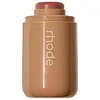
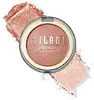
rhode Pocket Blush Versus Milani Baked Blush

What's inside
What's inside
 Key Ingredients
Benefits
Concerns
Ingredients Side-by-side
Octyldodecanol
Emollient
Synthetic Wax
Abrasive

Hydrogenated Polyisobutene
EmollientPolyglyceryl-2 Triisostearate
Emulsifying

Hydrogenated Poly(C6-14 Olefin)
EmollientBis-Diglyceryl Polyacyladipate-2
Emollient
Cetyl Ethylhexanoate
EmollientKaolin
Abrasive


Silica
Abrasive
Magnesium/Potassium/Silicon/Fluoride/Hydroxide/Oxide
Mica
Cosmetic ColorantGlycerin
Humectant

Calophyllum Inophyllum Seed Oil
Antimicrobial



Palmitoyl Tripeptide-1
Skin Conditioning


Palmitoyl Tripeptide-5
Skin Conditioning
Caprylyl Glycol
Emollient
Caprylic/Capric Triglyceride
Masking
Glyceryl Caprylate
EmollientPentaerythrityl Tetraisostearate
Emollient
Aluminum Hydroxide
EmollientTriethoxycaprylylsilane

Water
Skin ConditioningPropylene Carbonate
SolventLauryl Polyglyceryl-3 Polydimethylsiloxyethyl Dimethicone
Skin Conditioning
Stearalkonium Hectorite
Gel FormingEthylhexylglycerin
Skin ConditioningCI 77891
Cosmetic ColorantIron Oxides
CI 15850
Cosmetic ColorantCI 42090
Cosmetic ColorantOctyldodecanol, Synthetic Wax, Hydrogenated Polyisobutene, Polyglyceryl-2 Triisostearate, Hydrogenated Poly(C6-14 Olefin), Bis-Diglyceryl Polyacyladipate-2, Cetyl Ethylhexanoate, Kaolin, Silica, Magnesium/Potassium/Silicon/Fluoride/Hydroxide/Oxide, Mica, Glycerin, Calophyllum Inophyllum Seed Oil, Palmitoyl Tripeptide-1, Palmitoyl Tripeptide-5, Caprylyl Glycol, Caprylic/Capric Triglyceride, Glyceryl Caprylate, Pentaerythrityl Tetraisostearate, Aluminum Hydroxide, Triethoxycaprylylsilane, Water, Propylene Carbonate, Lauryl Polyglyceryl-3 Polydimethylsiloxyethyl Dimethicone, Stearalkonium Hectorite, Ethylhexylglycerin, CI 77891, Iron Oxides, CI 15850, CI 42090
Talc
Abrasive
Mica
Cosmetic ColorantDimethicone
Emollient
Silica
Abrasive
Synthetic Fluorphlogopite
Simmondsia Chinensis Seed Oil
Emollient
Vitis Vinifera Leaf Extract
Skin ConditioningPseudozyma Epicola/Olive Fruit Oil Ferment Filtrate
Humectant
Lauroyl Lysine
Skin Conditioning
Cetearyl Ethylhexanoate
Emollient
Caprylyl Glycol
Emollient
Magnesium Aluminum Silicate
Absorbent
Tin Oxide
Abrasive
Calcium Sodium Borosilicate
Calcium Aluminum Borosilicate
Hexylene Glycol
EmulsifyingPolysorbate 80
Emulsifying
Sorbitan Oleate
Emulsifying

Sorbitan Stearate
Emulsifying
Polysorbate 20
Emulsifying
Acrylamide/Sodium Acryloyldimethyltaurate Copolymer
Emulsion StabilisingOctyldodecyl Stearoyl Stearate
Emollient
Nylon-12

Isopropyl Palmitate
Emollient
Tocopheryl Acetate
Antioxidant

Isohexadecane
EmollientWater
Skin ConditioningPropanediol
Solvent
Phenoxyethanol
Preservative
Sodium Dehydroacetate
Preservative
Aluminum Hydroxide
EmollientCI 77891
Cosmetic ColorantCI 77491
Cosmetic ColorantCI 77492
Cosmetic ColorantCI 77499
Cosmetic ColorantCI 15850
Cosmetic ColorantCI 19140
Cosmetic ColorantCI 15985
Cosmetic ColorantTalc, Mica, Dimethicone, Silica, Synthetic Fluorphlogopite, Simmondsia Chinensis Seed Oil, Vitis Vinifera Leaf Extract, Pseudozyma Epicola/Olive Fruit Oil Ferment Filtrate, Lauroyl Lysine, Cetearyl Ethylhexanoate, Caprylyl Glycol, Magnesium Aluminum Silicate, Tin Oxide, Calcium Sodium Borosilicate, Calcium Aluminum Borosilicate, Hexylene Glycol, Polysorbate 80, Sorbitan Oleate, Sorbitan Stearate, Polysorbate 20, Acrylamide/Sodium Acryloyldimethyltaurate Copolymer, Octyldodecyl Stearoyl Stearate, Nylon-12, Isopropyl Palmitate, Tocopheryl Acetate, Isohexadecane, Water, Propanediol, Phenoxyethanol, Sodium Dehydroacetate, Aluminum Hydroxide, CI 77891, CI 77491, CI 77492, CI 77499, CI 15850, CI 19140, CI 15985
Reviews
Ingredients Explained
These ingredients are found in both products.
Ingredients higher up in an ingredient list are typically present in a larger amount.
Aluminum Hydroxide is a form of aluminum. It can be naturally found in nature as the mineral gibbsite. In cosmetics, Aluminum Hydroxide is used as a colorant, pH adjuster, and absorbent.
As a colorant, Aluminum Hydroxide may add opacity, or reduce the transparency. Aluminum hydroxide is contains both basic and acidic properties.
According to manufacturers, this ingredient is an emollient and humectant. This means it helps hydrate the skin.
In medicine, this ingredient is used to help relieve heartburn and help heal ulcers.
There is currently no credible scientific evidence linking aluminum hydroxide in cosmetics to increased cancer risk.
Major health organizations allow the use of aluminum hydroxide in personal care products and have not flagged it as a carcinogenic risk at typical usage levels.
Learn more about Aluminum HydroxideCaprylyl Glycol is a humectant, skin conditioner, emollient, and preservative booster derived from either caprylic acid or synthetically created.
Typical use levels vary from 0.3-1% as a preservative booster and go up to 2% to condition skin.
Because it is not a free-fatty acid, this ingredient is fungal acne safe (there's nothing for Malassezia to feed on).
Learn more about Caprylyl GlycolCi 15850 is the pigment color red. It is an azo dye and created synthetically.
Azo dyes need to be thoroughly purified before use. This allows them to be more stable and longer-lasting.
This ingredient is common in foundations, lipsticks, and blushes. This color is described as brown/orangey red.
It has many secondary names such as Red 6 and Red 7. According to a manufacturer, Red 6 usually contains aluminum.
Learn more about CI 15850Ci 77891 is a white pigment from Titanium dioxide. It is naturally found in minerals such as rutile and ilmenite.
It's main function is to add a white color to cosmetics. It can also be mixed with other colors to create different shades.
Ci 77891 is commonly found in sunscreens due to its ability to block UV rays.
Learn more about CI 77891Mica is a naturally occurring mineral used to add shimmer and color in cosmetics. It can also help improve the texture of a product or give it an opaque, white/silver color.
Serecite is the name for very fine but ragged grains of mica.
This ingredient is often coated with metal oxides like titanium dioxide. Trace amounts of heavy metals may be found in mica, but these metals are not harmful in our personal products.
Mica has been used since prehistoric times throughout the world. Ancient Egyptian, Indian, Greek, Roman, Aztec, and Chinese civilizations have used mica.
Learn more about MicaSilica, also known as silicon dioxide, is a naturally occurring mineral. It is used as a fine, spherical, and porous powder in cosmetics.
Though it has exfoliant properties, the function of silica varies depending on the product.
The unique structure of silica enhances the spreadability and adds smoothness, making it a great texture enhancer.
It is also used as an active carrier, emulsifier, and mattifier due to its ability to absorb excess oil.
In some products, tiny microneedles called spicules are made from silica or hydrolyzed sponge. When you rub them in, they lightly polish away dead skin layers and enhance the penetration of active ingredients.
Learn more about SilicaWater. It's the most common cosmetic ingredient of all. You'll usually see it at the top of ingredient lists, meaning that it makes up the largest part of the product.
So why is it so popular? Water most often acts as a solvent - this means that it helps dissolve other ingredients into the formulation.
You'll also recognize water as that liquid we all need to stay alive. If you see this, drink a glass of water. Remember to stay hydrated!
Learn more about Water

