

What's inside
What's inside
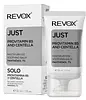 Key Ingredients
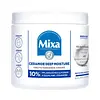
Benefits
Concerns
Ingredients Side-by-side
Water
Skin ConditioningPanthenol
Skin Conditioning




Propylene Glycol
Humectant

Butylene Glycol
Humectant
Centella Asiatica Leaf Extract
Skin Conditioning
Glycerin
Humectant
Inulin
Skin ConditioningAlpha-Glucan Oligosaccharide
CleansingCeteareth-20
Cleansing
Dimethicone
Emollient
Butyrospermum Parkii Butter
Skin Conditioning

Orbignya Oleifera Seed Oil
Emollient
Betaine
Humectant
Caprylic/Capric Triglyceride
Masking
Octyldodecanol
Emollient
Glyceryl Stearate Se
Emulsifying
Squalane
Emollient
Phenoxyethanol
Preservative
Allantoin
Skin Conditioning
Bisabolol
Masking
Ammonium Acryloyldimethyltaurate/Vp Copolymer
Disodium EDTA
Parfum
Masking
Octadecyl Di-T-Butyl-4-Hydroxyhydrocinnamate
Antioxidant
Water, Panthenol, Propylene Glycol, Butylene Glycol, Centella Asiatica Leaf Extract, Glycerin, Inulin, Alpha-Glucan Oligosaccharide, Ceteareth-20, Dimethicone, Butyrospermum Parkii Butter, Orbignya Oleifera Seed Oil, Betaine, Caprylic/Capric Triglyceride, Octyldodecanol, Glyceryl Stearate Se, Squalane, Phenoxyethanol, Allantoin, Bisabolol, Ammonium Acryloyldimethyltaurate/Vp Copolymer, Disodium EDTA, Parfum, Octadecyl Di-T-Butyl-4-Hydroxyhydrocinnamate
Water
Skin ConditioningGlycerin
Humectant
Butyrospermum Parkii Butter
Skin Conditioning
Isopropyl Palmitate
Emollient
Propanediol
Solvent
Cetyl Alcohol
Emollient
Myristyl Myristate
Emollient
Zea Mays Starch
AbsorbentSqualane
Emollient
Carbomer
Emulsion StabilisingSodium Hydroxide
Buffering2-Oleamido-1,3-Octadecanediol
Skin ConditioningHydroxyacetophenone
Antioxidant
Hydroxypalmitoyl Sphinganine
Skin Conditioning
Caprylyl Glycol
Emollient
Citric Acid
Buffering



Polyglyceryl-3 Methylglucose Distearate
Emulsifying
Tocopherol
Antioxidant
Water, Glycerin, Butyrospermum Parkii Butter, Isopropyl Palmitate, Propanediol, Cetyl Alcohol, Myristyl Myristate, Zea Mays Starch, Squalane, Carbomer, Sodium Hydroxide, 2-Oleamido-1,3-Octadecanediol, Hydroxyacetophenone, Hydroxypalmitoyl Sphinganine, Caprylyl Glycol, Citric Acid, Polyglyceryl-3 Methylglucose Distearate, Tocopherol
Ingredients Explained
These ingredients are found in both products.
Ingredients higher up in an ingredient list are typically present in a larger amount.
This ingredient is also known as shea butter. It is an effective skin hydrator and emollient.
Emollients help soothe and soften your skin. It does this by creating a protective film on your skin. This barrier helps trap moisture and keeps your skin hydrated. Emollients may be effective at treating dry or itchy skin.
Shea butter is rich in antioxidants. Antioxidants help fight free-radicals, or molecules that may harm the body. It is also full of fatty acids including stearic acid and linoleic acid. These acids help replenish the skin and keep skin moisturized.
While Shea Butter has an SPF rating of about 3-4, it is not a sunscreen replacement.
Shea butter may not be fungal acne safe. We recommend speaking with a professional if you have any concerns.
Learn more about Butyrospermum Parkii ButterGlycerin is already naturally found in your skin. It helps moisturize and protect your skin.
A study from 2016 found glycerin to be more effective as a humectant than AHAs and hyaluronic acid.
As a humectant, it helps the skin stay hydrated by pulling moisture to your skin. The low molecular weight of glycerin allows it to pull moisture into the deeper layers of your skin.
Hydrated skin improves your skin barrier; Your skin barrier helps protect against irritants and bacteria.
Glycerin has also been found to have antimicrobial and antiviral properties. Due to these properties, glycerin is often used in wound and burn treatments.
In cosmetics, glycerin is usually derived from plants such as soybean or palm. However, it can also be sourced from animals, such as tallow or animal fat.
This ingredient is organic, colorless, odorless, and non-toxic.
Glycerin is the name for this ingredient in American English. British English uses Glycerol/Glycerine.
Learn more about GlycerinSqualane is an emollient that helps the skin hold onto moisture. It's an oily liquid that occurs naturally in certain types of fish and plant oils.
Because squalane boosts hydration in the skin, it also comes with plenty of benefits: it is an antioxidant and can help fight free radicals and skin damage. Squalane is also found to have a detoxifying effect when applied.
Squalane comes from squalene, which occurs naturally within the sebum of our skin. It is one of the oils our skin produces to keep itself hydrated. Squalane is the hydrogenated version of squalene and has a longer shelf life.
Research shows that squalane is non-irritating (even at 100% concentration).
In general, it's a fantastic ingredient. It does a great job at hydrating the skin, and it's suitable for those with sensitive skin.
The source of squalane may impact malassezia / fungal acne. This is because olive oil derived squalane can contain impurities such as fatty acids and plant waxes. Sugarcane derived squalane is recommended for anyone with malassezia concerns.
Is squalane vegan?
This depends on the source. Squalane can be derived from both plants and animals. Most squalane used in skincare comes from plants.
Please note: the source of squalane is only known if disclosed by the brand. We recommend reaching out to the brand if you have any questions about their squalane.
Read more about squalene with an "e".
Is squalane an oil?
Squalane is often called an oil, but it’s technically not; it’s a hydrocarbon, meaning it’s only made of carbon and hydrogen, unlike true oils which are triglycerides made of fatty acids and glycerol.
The term “oil-free” isn’t regulated, so companies can define it however they want. Some exclude all oils, while others just avoid mineral oil or comedogenic oils.
While some people avoid oils thinking they cause breakouts, the right kind of oil (or oil-like ingredient like squalane) can actually help balance and hydrate your skin. It’s worth testing out simple oils or squalane to see what works best for your skin.
Learn more about SqualaneWater. It's the most common cosmetic ingredient of all. You'll usually see it at the top of ingredient lists, meaning that it makes up the largest part of the product.
So why is it so popular? Water most often acts as a solvent - this means that it helps dissolve other ingredients into the formulation.
You'll also recognize water as that liquid we all need to stay alive. If you see this, drink a glass of water. Stay hydrated!
Learn more about Water
