

What's inside
What's inside
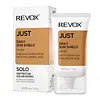 Key Ingredients
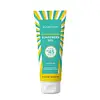
Benefits
Concerns
Ingredients Side-by-side
Water
Skin ConditioningEthylhexyl Dimethyl Paba
UV Absorber

Ethylhexyl Salicylate
UV Absorber
Butyl Methoxydibenzoylmethane
UV Absorber
Terephthalylidene Dicamphor Sulfonic Acid
UV Absorber
Phenylbenzimidazole Sulfonic Acid
UV Absorber
C12-15 Alkyl Benzoate
AntimicrobialCaprylic/Capric Triglyceride
Masking
Glycerin
Humectant


Zinc Oxide
Cosmetic Colorant
Bis-Ethylhexyloxyphenol Methoxyphenyl Triazine
Skin Conditioning
Cetearyl Alcohol
Emollient



Glycol Cetearate
Emollient
Glyceryl Stearate
Emollient
Ceteareth-20
Cleansing
Ceteareth-12
EmulsifyingCetyl Palmitate
Emollient
Sodium Hyaluronate
Humectant
Phenoxyethanol
Preservative
Allantoin
Skin Conditioning

Acrylates/C10-30 Alkyl Acrylate Crosspolymer
Emulsion StabilisingTriethanolamine
BufferingParfum
Masking

Water, Ethylhexyl Dimethyl Paba, Ethylhexyl Salicylate, Butyl Methoxydibenzoylmethane, Terephthalylidene Dicamphor Sulfonic Acid, Phenylbenzimidazole Sulfonic Acid, C12-15 Alkyl Benzoate, Caprylic/Capric Triglyceride, Glycerin, Zinc Oxide, Bis-Ethylhexyloxyphenol Methoxyphenyl Triazine, Cetearyl Alcohol, Glycol Cetearate, Glyceryl Stearate, Ceteareth-20, Ceteareth-12, Cetyl Palmitate, Sodium Hyaluronate, Phenoxyethanol, Allantoin, Acrylates/C10-30 Alkyl Acrylate Crosspolymer, Triethanolamine, Parfum
Water
Skin ConditioningGlycerin
Humectant
Propanediol
Solvent
Ethylhexyl Methoxycinnamate
UV Absorber
Butyl Methoxydibenzoylmethane
UV Absorber
Cucumis Sativus Fruit Extract
Emollient
Octocrylene
UV Absorber
Butylene Glycol
Humectant
Aloe Barbadensis Leaf Juice
Skin Conditioning
Polymethyl Methacrylate
Portulaca Oleracea Extract
Skin Conditioning
Sodium Hyaluronate
Humectant
Camellia Sinensis Leaf Extract
Antimicrobial


Ectoin
Skin Conditioning
Phenoxyethanol
Preservative
Acrylates/C10-30 Alkyl Acrylate Crosspolymer
Emulsion StabilisingRoyal Jelly
Centella Asiatica Extract
Cleansing
Allantoin
Skin Conditioning
Panthenol
Skin Conditioning
Resveratrol
Antioxidant
Lecithin
Emollient
Disodium EDTA
Water, Glycerin, Propanediol, Ethylhexyl Methoxycinnamate, Butyl Methoxydibenzoylmethane, Cucumis Sativus Fruit Extract, Octocrylene, Butylene Glycol, Aloe Barbadensis Leaf Juice, Polymethyl Methacrylate, Portulaca Oleracea Extract, Sodium Hyaluronate, Camellia Sinensis Leaf Extract, Ectoin, Phenoxyethanol, Acrylates/C10-30 Alkyl Acrylate Crosspolymer, Royal Jelly, Centella Asiatica Extract, Allantoin, Panthenol, Resveratrol, Lecithin, Disodium EDTA
Reviews
Ingredients Explained
These ingredients are found in both products.
Ingredients higher up in an ingredient list are typically present in a larger amount.
Acrylates/C10-30 Alkyl Acrylate Crosspolymer is a synthetic polymer. It is used to thicken and improve the texture of products. Due to its properties, it can prevent water and oil ingredients from separating.
Allantoin is a soothing ingredient known for its protective and moisturizingg properties. Because of this, it is often added to products with strong active ingredients.
Studies show higher concentrations of this ingredient can promote wound healing.
Though it can be derived from the comfrey plant, allantoin is produced synthetically for cosmetic products to ensure purity.
Learn more about AllantoinAlso known as Avobenzone, this ingredient is a chemical sunscreen filter that provides protection in the UV-A range.
Avobenzone is globally approved and is the most commonly used UV-A filter in the world.
Studies have found that avobenzone becomes ineffective when exposed to UV light (it is not photostable; meaning that it breaks down in sunlight). Because of this, formulations that include avobenzone will usually contain stabilizers such as octocrylene.
However, some modern formulations (looking at you, EU!) are able to stabilize avobenzone by coating the molecules.
Avobenzone does not protect against the UV-B range, so it's important to check that the sunscreen you're using contains other UV filters that do!
The highest concentration of avobenzone permitted is 3% in the US, and 5% in the EU.
Learn more about Butyl MethoxydibenzoylmethaneGlycerin is already naturally found in your skin. It helps moisturize and protect your skin.
A study from 2016 found glycerin to be more effective as a humectant than AHAs and hyaluronic acid.
As a humectant, it helps the skin stay hydrated by pulling moisture to your skin. The low molecular weight of glycerin allows it to pull moisture into the deeper layers of your skin.
Hydrated skin improves your skin barrier; Your skin barrier helps protect against irritants and bacteria.
Glycerin has also been found to have antimicrobial and antiviral properties. Due to these properties, glycerin is often used in wound and burn treatments.
In cosmetics, glycerin is usually derived from plants such as soybean or palm. However, it can also be sourced from animals, such as tallow or animal fat.
This ingredient is organic, colorless, odorless, and non-toxic.
Glycerin is the name for this ingredient in American English. British English uses Glycerol/Glycerine.
Learn more about GlycerinPhenoxyethanol is a preservative that has germicide, antimicrobial, and aromatic properties. Studies show that phenoxyethanol can prevent microbial growth. By itself, it has a scent that is similar to that of a rose.
It's often used in formulations along with Caprylyl Glycol to preserve the shelf life of products.
Sodium Hyaluronate is hyaluronic acid's salt form. It is commonly derived from the sodium salt of hyaluronic acid.
Like hyaluronic acid, it is great at holding water and acts as a humectant. This makes it a great skin hydrating ingredient.
Sodium Hyaluronate is naturally occurring in our bodies and is mostly found in eye fluid and joints.
These are some other common types of Hyaluronic Acid:
Learn more about Sodium HyaluronateWater. It's the most common cosmetic ingredient of all. You'll usually see it at the top of ingredient lists, meaning that it makes up the largest part of the product.
So why is it so popular? Water most often acts as a solvent - this means that it helps dissolve other ingredients into the formulation.
You'll also recognize water as that liquid we all need to stay alive. If you see this, drink a glass of water. Stay hydrated!
Learn more about Water
