Revolution Beauty Brightening 10% Vitamin C Serum Versus Clarins Double Serum Light Texture Anti-Aging Serum
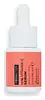
This brightening serum is formulated around Ascorbic Acid to brighten dull-looking skin and fade the look of dark spots.
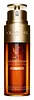
This anti-aging serum is formulated around Squalane and Ascorbic Acid to soften the look of wrinkles and hydrate skin.


What's inside
What's inside
 Key Ingredients
Benefits
Concerns
Ingredients Side-by-side
Water
Skin ConditioningAscorbic Acid
Antioxidant






Propanediol
Solvent

Glycerin
Humectant
Butylene Glycol
Humectant
Xanthan Gum
EmulsifyingPEG-40 Hydrogenated Castor Oil
Emulsifying


Polysorbate 20
Emulsifying
Sodium Benzoate
Masking
Tocopherol
Antioxidant

Potassium Sorbate
Preservative
Disodium EDTA
ChelatingHelianthus Annuus Seed Oil
Emollient
Styrene/Acrylates Copolymer
Sodium Hydroxide
BufferingSodium Lauryl Sulfate
Cleansing



Disodium Laureth Sulfosuccinate
CleansingWater, Ascorbic Acid, Propanediol, Glycerin, Butylene Glycol, Xanthan Gum, PEG-40 Hydrogenated Castor Oil, Polysorbate 20, Sodium Benzoate, Tocopherol, Potassium Sorbate, Disodium EDTA, Helianthus Annuus Seed Oil, Styrene/Acrylates Copolymer, Sodium Hydroxide, Sodium Lauryl Sulfate, Disodium Laureth Sulfosuccinate
Water
Skin ConditioningC9-12 Alkane
SolventUndecane
EmollientGlycerin
Humectant
Cetearyl Isononanoate
Emollient
Isononyl Isononanoate
EmollientTridecane
Perfuming

Pentylene Glycol
Skin Conditioning
Squalane
Emollient
Ethylene/Propylene/Styrene Copolymer
Butylene Glycol
Humectant
Parfum
Masking
Dipsacus Sylvestris Extract
Skin ConditioningPhenoxyethanol
Preservative
Propanediol
Solvent
Silybum Marianum Seed Oil
Skin Conditioning
Caprylic/Capric Triglyceride
Masking
Tromethamine
BufferingTocopheryl Acetate
Antioxidant
Escin
TonicCarbomer
Emulsion StabilisingChenopodium Quinoa Seed Extract
Skin Conditioning
Ethylhexylglycerin
Skin ConditioningAvena Sativa Kernel Extract
Abrasive

Xanthan Gum
EmulsifyingButylene/Ethylene/Styrene Copolymer
Leontopodium Alpinum Flower/Leaf Extract
Skin ConditioningPersea Gratissima Oil Unsaponifiables
Skin Conditioning
Caramel
Cosmetic ColorantCurcuma Longa Root Extract
Antioxidant
Theobroma Cacao Extract
Skin ConditioningDisodium EDTA
ChelatingMusa Sapientum Fruit Extract
Skin ConditioningActinidia Chinensis Fruit Extract
EmollientKalanchoe Pinnata Leaf Extract
MaskingMyrothamnus Flabellifolia Leaf/Stem Extract
HumectantCitric Acid
Buffering
Lycium Barbarum Fruit Extract
Astringent
Sodium Benzoate
Masking
Maltodextrin
Absorbent
Orthosiphon Stamineus Extract
Skin ConditioningHedychium Coronarium Root Extract
MaskingSalicornia Herbacea Extract
Skin ConditioningMangifera Indica Leaf Extract
Skin ConditioningJania Rubens Extract
Skin Conditioning
Pentaerythrityl Tetra-Di-T-Butyl Hydroxyhydrocinnamate
Antioxidant
Ascorbic Acid
Antioxidant
Sodium Citrate
BufferingTocopherol
Antioxidant
Potassium Sorbate
Preservative
Engelhardtia Chrysolepis Leaf Extract
Skin ConditioningCI 14700
Cosmetic ColorantCallicarpa Japonica Fruit Extract
Skin ConditioningWater, C9-12 Alkane, Undecane, Glycerin, Cetearyl Isononanoate, Isononyl Isononanoate, Tridecane, Pentylene Glycol, Squalane, Ethylene/Propylene/Styrene Copolymer, Butylene Glycol, Parfum, Dipsacus Sylvestris Extract, Phenoxyethanol, Propanediol, Silybum Marianum Seed Oil, Caprylic/Capric Triglyceride, Tromethamine, Tocopheryl Acetate, Escin, Carbomer, Chenopodium Quinoa Seed Extract, Ethylhexylglycerin, Avena Sativa Kernel Extract, Xanthan Gum, Butylene/Ethylene/Styrene Copolymer, Leontopodium Alpinum Flower/Leaf Extract, Persea Gratissima Oil Unsaponifiables, Caramel, Curcuma Longa Root Extract, Theobroma Cacao Extract, Disodium EDTA, Musa Sapientum Fruit Extract, Actinidia Chinensis Fruit Extract, Kalanchoe Pinnata Leaf Extract, Myrothamnus Flabellifolia Leaf/Stem Extract, Citric Acid, Lycium Barbarum Fruit Extract, Sodium Benzoate, Maltodextrin, Orthosiphon Stamineus Extract, Hedychium Coronarium Root Extract, Salicornia Herbacea Extract, Mangifera Indica Leaf Extract, Jania Rubens Extract, Pentaerythrityl Tetra-Di-T-Butyl Hydroxyhydrocinnamate, Ascorbic Acid, Sodium Citrate, Tocopherol, Potassium Sorbate, Engelhardtia Chrysolepis Leaf Extract, CI 14700, Callicarpa Japonica Fruit Extract
Reviews
Ingredients Explained
These ingredients are found in both products.
Ingredients higher up in an ingredient list are typically present in a larger amount.
Ascorbic Acid is is pure Vitamin C and is the biologically active form used directly by skin.
Not only is vitamin C great for your overall health and immune system, but it also has plenty of benefits for your skin. It is best supported by academic literature for:
Topical vitamin C has been shown to help neutralize oxidative stress from UV and pollution, helping to improve photoaging and hyperpigmentation when used consistently.
One clinical study found that using 5% topical vitamin C for six months improved signs of photodamaged skin, both on the surface and in the deeper structural layers of the skin.
While vitamin C doesn’t replace sunscreen, studies show it can boost photoprotection when combined with Vitamin E and ferulic acid. These two ingredients help improve stability and protective effects.
The big downside of this ingredient is formulation difficulty. Vitamin C is prone to oxidation and doesn't penetrate the skin unless formulated correctly. Research found that vitamin C absorbs into the skin best at a low pH (< 3.5) with about 20% being the upper limit for effective absorption.
Skin levels can saturate after repeated application; this means your skin won’t keep absorbing more once it’s full of vitamin C. This is why more isn’t always better with vitamin C and why very high concentrations don’t necessarily give extra benefits.
Ascorbic acid generally works well with many skincare ingredients but can be irritating when combined with other active ingredients. Strong oxidizing acne treatments like benzoyl peroxide can reduce the effectiveness of vitamin C if they are used at the same time; they are often recommended for use at different times of day.
Read more about other types of Vitamin C:
Foods rich with vitamin C include oranges, strawberries, broccoli, bell peppers, and more. When consuming Vitamin C, your skin receives a portion of the nutrients.
Learn more about Ascorbic AcidButylene Glycol (or BG) is used within cosmetic products for a few different reasons:
Overall, Butylene Glycol is a safe and well-rounded ingredient that works well with other ingredients.
Though this ingredient works well with most skin types, some people with sensitive skin may experience a reaction such as allergic rashes, closed comedones, or itchiness.
Learn more about Butylene GlycolDisodium EDTA is a chelating agent. It grabs onto and deactivates metal ions that sneak into your products from water, packaging, or air.
This ingredient mainly works behind the scenes and helps with:
On top of that, this ingredient can counteract the effects of hard water by binding to the minerals in it.
One thing worth knowing is that Disodium EDTA has been shown to be a mild penetration enhancer. It can help other ingredients absorb into skin more effectively which can be a double-edged sword (great for actives, but can also make the active too strong if you have sensitive skin).
Clinical patch testing showed no significant skin irritation at typical use concentrations and minimal dermal absorption.
You'll most likely see this ingredient near the end of an ingredient list. It's typically found in concentrations less than 1%.
Learn more about Disodium EDTAGlycerin (or glycerol) is a compound naturally found in your skin. It's a powerhouse humectant that pulls water into the stratum corneum.
Topically, glycerin does several things at once:
Your skin makes glycerin on its own (mostly from sebaceous oil breakdown) and shuttles it to your outermost layer of skin, or your epidermis, via aquaporin-3.
Aquaporin-3 is a transporter that is essential for normal skin hydration, elasticity, and repair. Interestingly, mice lacking in AQP3 have dry and less elastic skin that can be fully corrected with glycerin.
This ingredient is non-irritating, plays well with almost every ingredient, and works across all skin types. Typical use is anywhere between 3-10% but can go up to 79% in some leave-on products.
Just know very high concentrations (>40%) can feel tacky in low humidity.
Glycerin is the name for this ingredient in American English. British English uses Glycerol/Glycerine.
Learn more about GlycerinPotassium Sorbate is a preservative used to prevent yeast and mold in products. It is commonly found in both cosmetic and food products.
This ingredient comes from potassium salt derived from sorbic acid. Sorbic acid is a natural antibiotic and effective against fungus.
Both potassium sorbate and sorbic acid can be found in baked goods, cheeses, dried meats, dried fruit, ice cream, pickles, wine, yogurt, and more.
You'll often find this ingredient used with other preservatives.
Learn more about Potassium SorbatePropanediol is an all-star ingredient. It softens, hydrates, and smooths the skin.
It’s often used to:
Propanediol is not likely to cause sensitivity and considered safe to use. It is derived from corn or petroleum with a clear color and no scent.
Learn more about PropanediolSodium Benzoate is a preservative. It's used in both cosmetic and food products to inhibit the growth of mold and bacteria. It is typically produced synthetically.
Both the US FDA and EU Health Committee have approved the use of sodium benzoate. In the US, levels of 0.1% (of the total product) are allowed.
Sodium benzoate works as a preservative by inhibiting the growth of bacteria inside of cells. It prevents the cell from fermenting a type of sugar using an enzyme called phosphofructokinase.
It is the salt of benzoic acid. Foods containing sodium benzoate include soda, salad dressings, condiments, fruit juices, wines, and snack foods.
Studies for using ascorbic acid and sodium benzoate in cosmetics are lacking, especially in skincare routines with multiple steps.
We always recommend speaking with a professional, such as a dermatologist, if you have any concerns.
Learn more about Sodium BenzoateTocopherol is a fat-soluble antioxidant known as Vitamin E.
You'll find this ingredient in the vast majority of skincare (for good reason). It works to neutralize free radicals, or unstable molecules generated by UV exposure, pollution, and other environmental stressors, before they can cause oxidative damage to your skin cells.
Topically applied tocopherol has been shown to protect against UV damage by ramping up the skin's own natural defense enzymes.
It also acts as a skin conditioning agent; some studies show that regular topical use can improve the skin's water-binding capacity over 2-4 weeks.
This ingredient is especially loved for being a team player. When combined with Vitamin C, the photoprotective effect of both ingredients roughly doubles and the combo also helps reduce UV-induced DNA damage.
This ingredient has some brightening potential but it's more of a prevention ingredient than spot-fader. Cell studies show it can slow down melanin production but it's worth noting that it's not the most powerful brightener out there.
In formulations, it also serves as a stabilizer that helps protect other oxidation-prone ingredients from degrading.
Concentrations usually range from 0.1-1% in most leave-on products.
Learn more about TocopherolWater. It's the most common cosmetic ingredient of all. You'll usually see it at the top of ingredient lists, meaning that it makes up the largest part of the product.
So why is it so popular? Water most often acts as a solvent - this means that it helps dissolve other ingredients into the formulation.
You'll also recognize water as that liquid we all need to stay alive. If you see this, drink a glass of water. Remember to stay hydrated!
Learn more about WaterXanthan gum is used as a stabilizer and thickener within cosmetic products. It helps give products a sticky, thick feeling - preventing them from being too runny.
On the technical side of things, xanthan gum is a polysaccharide - a combination consisting of multiple sugar molecules bonded together.
Xanthan gum is a pretty common and great ingredient. It is a natural, non-toxic, non-irritating ingredient that is also commonly used in food products.
Learn more about Xanthan Gum

