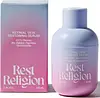
This anti-aging serum is formulated around Niacinamide and Acetyl Hexapeptide-8 to soften the look of wrinkles and refine skin texture.

What's inside
What's inside
 Key Ingredients
Benefits
Concerns
Ingredients Side-by-side
Water
Skin ConditioningEthylhexyl Olivate
Skin Conditioning

Propanediol
Solvent

Caprylic/Capric Triglyceride
Masking
Glyceryl Stearate Citrate
Emollient
Glycerin
Humectant
Niacinamide
Smoothing









Acetyl Hexapeptide-8
Humectant
Retinal
Skin Conditioning

Bidens Pilosa Extract
HumectantLinum Usitatissimum Seed Extract
Perfuming
Astrocaryum Murumuru Seed Butter
Emollient

Gossypium Herbaceum Seed Oil
Skin Conditioning
Squalane
Emollient
Panthenol
Skin Conditioning
Bisabolol
Antioxidant
Zingiber Officinale Root Extract
Masking
Tocopheryl Acetate
Antioxidant
Dimethicone
Emollient
Polyglyceryl-3 Stearate
Emulsifying
1,2-Hexanediol
Skin Conditioning
Hydroxyapatite
Abrasive
Xanthan Gum
EmulsifyingHydrogenated Lecithin
Emulsifying
Caprylhydroxamic Acid
ChelatingPolysilicone-11
Trisodium Ethylenediamine Disuccinate
ChelatingMaltobionic Acid
Buffering
Sodium Benzoate
Masking
Sodium Hydroxide
BufferingWater, Ethylhexyl Olivate, Propanediol, Caprylic/Capric Triglyceride, Glyceryl Stearate Citrate, Glycerin, Niacinamide, Acetyl Hexapeptide-8, Retinal, Bidens Pilosa Extract, Linum Usitatissimum Seed Extract, Astrocaryum Murumuru Seed Butter, Gossypium Herbaceum Seed Oil, Squalane, Panthenol, Bisabolol, Zingiber Officinale Root Extract, Tocopheryl Acetate, Dimethicone, Polyglyceryl-3 Stearate, 1,2-Hexanediol, Hydroxyapatite, Xanthan Gum, Hydrogenated Lecithin, Caprylhydroxamic Acid, Polysilicone-11, Trisodium Ethylenediamine Disuccinate, Maltobionic Acid, Sodium Benzoate, Sodium Hydroxide
Water
Skin ConditioningGlycerin
Humectant
Propanediol
Solvent
Dimethicone
Emollient
Simmondsia Chinensis Seed Oil
Emollient
Hydroxyapatite
Abrasive
Retinal
Skin Conditioning
Ectoin
Skin Conditioning
Centella Asiatica Leaf Extract
Skin Conditioning
Cyanocobalamin
Skin ConditioningOryza Sativa Bran Extract
Skin Conditioning
Helianthus Annuus Extract
Emollient
Tocopherol
Antioxidant
Boron Nitride
Absorbent
Coco-Caprylate/Caprate
Emollient
Caprylic/Capric Triglyceride
Masking
Cetyl Alcohol
Emollient
Stearyl Alcohol
Emollient
Glyceryl Stearate
Emollient
Glyceryl Stearate Citrate
Emollient
C9-12 Alkane
SolventCastor Oil/Ipdi Copolymer
Ammonium Acryloyldimethyltaurate/Vp Copolymer
Dilinoleic Acid/Butanediol Copolymer
Carbomer
Emulsion StabilisingRosmarinus Officinalis Leaf Extract
AntimicrobialSclerotium Gum
Emulsion StabilisingXanthan Gum
EmulsifyingPhenoxyethanol
Preservative
Dipropylene Glycol
HumectantCaprylyl Glycol
Emollient
Sodium Phytate
ChelatingSodium Hydroxide
BufferingCitric Acid
Buffering
Water, Glycerin, Propanediol, Dimethicone, Simmondsia Chinensis Seed Oil, Hydroxyapatite, Retinal, Ectoin, Centella Asiatica Leaf Extract, Cyanocobalamin, Oryza Sativa Bran Extract, Helianthus Annuus Extract, Tocopherol, Boron Nitride, Coco-Caprylate/Caprate, Caprylic/Capric Triglyceride, Cetyl Alcohol, Stearyl Alcohol, Glyceryl Stearate, Glyceryl Stearate Citrate, C9-12 Alkane, Castor Oil/Ipdi Copolymer, Ammonium Acryloyldimethyltaurate/Vp Copolymer, Dilinoleic Acid/Butanediol Copolymer, Carbomer, Rosmarinus Officinalis Leaf Extract, Sclerotium Gum, Xanthan Gum, Phenoxyethanol, Dipropylene Glycol, Caprylyl Glycol, Sodium Phytate, Sodium Hydroxide, Citric Acid
Reviews
Ingredients Explained
These ingredients are found in both products.
Ingredients higher up in an ingredient list are typically present in a larger amount.
Caprylic/Capric Triglyceride (aka MCT Oil) is a lightweight emollient, solvent, and texture enhancer. It is considered a skin-softener by helping to prevent moisture loss.
Though it behaves like an oil, it is not technically one due to its chemical composition. One perk of this ingredient is that it is very stable, resistant to oxidation, and unlikely to go rancid.
In practice, that translates to a long shelf life and a consistently elegant skin feel.
While there is an assumption Caprylic Triglyceride can clog pores due to it being derived from coconut oil, there is no research supporting this. Just patch test if you have concerns.
Fractionated coconut oil and MCT Oil are both listed as Caprylic/Capric Triglyceride according to INCI. This is because INCI names are based on the ingredient’s final chemical composition and not its marketing name or source.
This ingredient is treated as the gold standard fungal acne safe oil. Even though it is coconut derived, the problematic lauric acid is stripped out.
This leaves just caprylic (C8) and capric (C10) acid. These chain lengths actually trend antifungal; a 2020 study found caprylic acid was enough to disrupt Malassezia furfur cell membrane, with a caprylic acid derivative damaging membrane structures at concentrations as low as 0.2%.
Learn more about Caprylic/Capric TriglycerideDimethicone is a type of synthetic silicone created from natural materials such as quartz. It is also known as polydimethylsiloxane.
What it does:
Dimethicone comes in different viscosities:
Depending on the viscosity, dimethicone has different properties.
Ingredients lists don't always show which type is used, so we recommend reaching out to the brand if you have questions about the viscosity.
This ingredient is unlikely to cause irritation because it does not get absorbed into skin. However, people with silicone allergies should be careful about using this ingredient.
Note: Dimethicone may contribute to pilling. This is because it is not oil or water soluble, so pilling may occur when layered with products. When mixed with heavy oils in a formula, the outcome is also quite greasy.
Learn more about DimethiconeGlycerin (or glycerol) is a compound naturally found in your skin. It's a powerhouse humectant that pulls water into the stratum corneum.
Topically, glycerin does several things at once:
Your skin makes glycerin on its own (mostly from sebaceous oil breakdown) and shuttles it to your outermost layer of skin, or your epidermis, via aquaporin-3.
Aquaporin-3 is a transporter that is essential for normal skin hydration, elasticity, and repair. Interestingly, mice lacking in AQP3 have dry and less elastic skin that can be fully corrected with glycerin.
This ingredient is non-irritating, plays well with almost every ingredient, and works across all skin types. Typical use is anywhere between 3-10% but can go up to 79% in some leave-on products.
Just know very high concentrations (>40%) can feel tacky in low humidity.
Glycerin is the name for this ingredient in American English. British English uses Glycerol/Glycerine.
Learn more about GlycerinGlyceryl Stearate Citrate is a citric acid ester of glyceryl stearate.
It is an emulsifier, emollient, and a surfactant.
Emulsifiers help stabilize a product. It does this by preventing certain ingredients from separating. Common ingredients include oils and water, which do not mix naturally. Emulsifiers have properties that help keep ingredients such as these together.
Emollients help soothe and soften the skin. They do this by creating a protective film on your skin. This barrier helps trap moisture and keeps your skin hydrated. Emollients may be effective at treating dry or itchy skin.
Surfactants help gather oils, dirt, and other pollutants from the skin. This helps them to be easily rinsed away.
Learn more about Glyceryl Stearate CitrateHydroxyapatite is an exfoliant. It can be good for oily skin.
Propanediol is an all-star ingredient. It softens, hydrates, and smooths the skin.
It’s often used to:
Propanediol is not likely to cause sensitivity and considered safe to use. It is derived from corn or petroleum with a clear color and no scent.
Learn more about PropanediolRetinal (aka retinaldehyde) is a form of retinoid that formulators use mainly as an antiaging and skin-renewing active.
What makes it special is its position in the retinoid family; skin converts it to retinoic acid (the prescription gold standard) in just one step.
Because retinal only requires 1 conversion step to become retinoic acid, it's the strongest over-the-counter retinoid. It also works at lower concentrations than retinol, since retinal is about 10x more bioavailable.
Studies back up its efficacy in skin:
A foundational trial showed that applying 0.05-0.5% retinal for 1-3 months produced a dose-dependent and significant increase in epidermal thickness + cell turnover markers.
And a head-to-head comparison of 0.05% retinal against a 0.05% retinoid acid found both formulations were effective for the basis of wrinkle/skin roughness features, but retinoic acid caused more local irritation.
More recent controlled trials confirm it improves wrinkles, dermal density, and firmness over 12-24 weeks, with significant improvements in skin texture and firmness (particularly with the higher 0.1% concentration).
Retinal also has one trick the other retinoids do not: it directly fights against acne bacteria since a clinical study showed retinaldehyde-treated areas displayed a significant decrease in counts of viable P. acnes.
This makes it a great pick for people who want to treat aging and breakouts.
Typical cosmetic use sits in the 0.05-0.1% range with 0.05% being the gentle starting point and 0.1% giving stronger results.
Like all retinoids, retinal works best with nightly use, a good moisturizer, and daytime sunscreen. It can cause some irritation so ease into it slowly rather than going all in.
The "ramp up" method works well: start with Retinal once a week to give your skin time to adjust, which keeps irritation low.
Slowly add more nights until you reach your goal frequency once your skin feels comfortable.
Retinoids also make your skin more sensitive to the sun in the first few weeks, so wear sunscreen every morning and protect your skin from direct sun while you build up tolerance.
Learn more about RetinalSodium Hydroxide is also known as lye or caustic soda. It is used to adjust the pH of products; many ingredients require a specific pH to be effective.
In small amounts, sodium hydroxide is considered safe to use. However, large amounts may cause chemical burns due to its high alkaline.
Your skin has a natural pH and acid mantle. This acid mantle helps prevent harmful bacteria from breaking through. The acid mantle also helps keep your skin hydrated.
"Alkaline" refers to a high pH level. A low pH level would be considered acidic.
Learn more about Sodium HydroxideWater. It's the most common cosmetic ingredient of all. You'll usually see it at the top of ingredient lists, meaning that it makes up the largest part of the product.
So why is it so popular? Water most often acts as a solvent - this means that it helps dissolve other ingredients into the formulation.
You'll also recognize water as that liquid we all need to stay alive. If you see this, drink a glass of water. Remember to stay hydrated!
Learn more about WaterXanthan gum is used as a stabilizer and thickener within cosmetic products. It helps give products a sticky, thick feeling - preventing them from being too runny.
On the technical side of things, xanthan gum is a polysaccharide - a combination consisting of multiple sugar molecules bonded together.
Xanthan gum is a pretty common and great ingredient. It is a natural, non-toxic, non-irritating ingredient that is also commonly used in food products.
Learn more about Xanthan Gum

