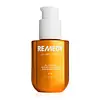
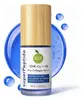
Remedy For Daily Defense 15% Vitamin C Antioxidant Complex Brightening Serum Versus Pure & Cimple SuperPeptide GHK-Cu + HA Pro-Collagen Serum
This brightening serum is formulated around 3-O-Ethyl Ascorbic Acid and Ferulic Acid to brighten dull-looking skin and calm redness.
This anti-aging serum is formulated around Niacinamide and Copper Tripeptide-1 to soften the look of wrinkles and strengthen the skin barrier.


What's inside
What's inside
 Key Ingredients
Benefits
Concerns
No concerns
Ingredients Side-by-side
Water
Skin Conditioning3-O-Ethyl Ascorbic Acid
Skin Conditioning





Glycerin
Humectant

Propanediol
Solvent
Squalane
Emollient
C12-15 Alkyl Lactate
EmollientButylene Glycol
Humectant
Aloe Barbadensis Leaf Juice
Skin Conditioning
Polyglyceryl-10 Laurate
Skin Conditioning

Hydrolyzed Hyaluronic Acid
Humectant
Allantoin
Skin Conditioning
Panthenol
Skin Conditioning
Escin
TonicRuscus Aculeatus Root Extract
Astringent
Ammonium Glycyrrhizate
MaskingCentella Asiatica Leaf Extract
Skin Conditioning
Hydrolyzed Yeast Protein
Skin ConditioningCalendula Officinalis Flower Extract
Masking
Tocopheryl Acetate
Antioxidant

Acetyl Zingerone
Antioxidant
Superoxide Dismutase
Antioxidant
Ergothioneine
Antioxidant
Plankton Extract
Skin ConditioningSpirulina Platensis Extract
Skin ProtectingBifida Ferment Lysate
Skin Conditioning
Ferulic Acid
Antimicrobial
Ectoin
Skin Conditioning
1,2-Hexanediol
Skin Conditioning
Curcuma Longa Root Extract
Antioxidant
Glycyrrhiza Glabra Root Extract
Bleaching
Camellia Sinensis Leaf Extract
Antimicrobial
Hydroxyacetophenone
Antioxidant
Trisodium Ethylenediamine Disuccinate
ChelatingSodium Citrate
BufferingCitric Acid
Buffering
Sodium Hydroxide
BufferingSodium Benzoate
Masking
Potassium Sorbate
Preservative
Leuconostoc/Radish Root Ferment Filtrate
Antimicrobial
Phenoxyethanol
Preservative
Ethylhexylglycerin
Skin ConditioningWater, 3-O-Ethyl Ascorbic Acid, Glycerin, Propanediol, Squalane, C12-15 Alkyl Lactate, Butylene Glycol, Aloe Barbadensis Leaf Juice, Polyglyceryl-10 Laurate, Hydrolyzed Hyaluronic Acid, Allantoin, Panthenol, Escin, Ruscus Aculeatus Root Extract, Ammonium Glycyrrhizate, Centella Asiatica Leaf Extract, Hydrolyzed Yeast Protein, Calendula Officinalis Flower Extract, Tocopheryl Acetate, Acetyl Zingerone, Superoxide Dismutase, Ergothioneine, Plankton Extract, Spirulina Platensis Extract, Bifida Ferment Lysate, Ferulic Acid, Ectoin, 1,2-Hexanediol, Curcuma Longa Root Extract, Glycyrrhiza Glabra Root Extract, Camellia Sinensis Leaf Extract, Hydroxyacetophenone, Trisodium Ethylenediamine Disuccinate, Sodium Citrate, Citric Acid, Sodium Hydroxide, Sodium Benzoate, Potassium Sorbate, Leuconostoc/Radish Root Ferment Filtrate, Phenoxyethanol, Ethylhexylglycerin
Water
Skin ConditioningGlycerin
Humectant
Propanediol
Solvent
Niacinamide
Smoothing

Ectoin
Skin Conditioning
Centella Asiatica Extract
Cleansing
Bifida Ferment Lysate
Skin Conditioning
Copper Tripeptide-1
Skin Conditioning
Butylene Glycol
Humectant
Pentylene Glycol
Skin Conditioning
Palmitoyl Tripeptide-5
Skin Conditioning
Sodium Hyaluronate
Humectant
Caprylhydroxamic Acid
ChelatingGlyceryl Caprylate
Emollient
Reviews
Ingredients Explained
These ingredients are found in both products.
Ingredients higher up in an ingredient list are typically present in a larger amount.
Bifida Ferment Lysate is a postbiotic ingredient made by fermenting Bifidobacterium to extract a nutrient-rich mix of peptides, amino acids, vitamins, organic acids, and polysaccharides.
These components are basically the building blocks that your skin already uses to stay hydrated, repair itself, and maintain its barrier. That's why this ingredient helps your skin hold onto moisture and stay resilient against irritation.
One in-vitro study found that this ingredient tells your skin cells to produce more of the proteins (filaggrin, loricrin, and involucrin) for building a strong and healthy barrier. This study also found this ingredient to be a solid antioxidant that helped neutralize damage against UV and pollution.
A study with people from 2010 found that sensitive, reactive skin using a cream with 10% of this ingredient for a month became noticeably less dry, less reactive, and harder to irritate compared to the group using a plain cream.
In short, this ingredient is a well-tolerated ingredient that can help with barrier repair, antioxidant protection, and calming reactive skin.
This ingredient is generally considered fungal acne (Malassezia) safe; Bifidobacterium is a bacterium, not a yeast or fungus.
The fungal acne concern with fermented ingredients mainly applies to yeast-derived ferments like Saccharomyces and Galactomyces, because those are in the same kingdom as Malassezia and could theoretically contain residual compounds that feed it.
Bifida is a completely different organism, so on its own it doesn't provide a food source for the Malassezia yeast that causes fungal acne.
Learn more about Bifida Ferment LysateButylene Glycol (or BG) is used within cosmetic products for a few different reasons:
Overall, Butylene Glycol is a safe and well-rounded ingredient that works well with other ingredients.
Though this ingredient works well with most skin types, some people with sensitive skin may experience a reaction such as allergic rashes, closed comedones, or itchiness.
Learn more about Butylene GlycolEctoin is a compound found naturally in some species of bacteria. It can be synthetically created for skincare use.
This ingredient is an osmolyte; Osmolytes help organisms survive osmotic shock (it protects them from extreme conditions). It does this by influencing the properties of biological fluids within cells.
When applied to the skin, ectoin helps bind water molecules to protect our skin. The water forms a sort of armor for the parts of our skin cells, enzymes, proteins, and more.
Besides this, ectoin has many uses in skincare:
A study from 2004 found ectoin to counteract the damage from UV-A exposure at different cell levels. It has also been shown to protect skin against both UV-A, UV-B rays, infrared light, and visible light.
Studies show ectoin to have dual-action pollution protection: first, it protects our skin from further pollution damage. Second, it helps repair damage from pollution.
In fact, ectoin has been shown to help with:
Fun fact: In the EU, ectoin is used in inhalation medication as an anti-pollution ingredient.
Ectoin is a highly stable ingredient. It has a wide pH range of 1-9. Light, oxygen, and temperature do not affect this ingredient.
The chemical name for this ingredient is Tetrahydromethylpyrimidine Carboxylic Acid.
Learn more about EctoinGlycerin (or glycerol) is a compound naturally found in your skin. It's a powerhouse humectant that pulls water into the stratum corneum.
Topically, glycerin does several things at once:
Your skin makes glycerin on its own (mostly from sebaceous oil breakdown) and shuttles it to your outermost layer of skin, or your epidermis, via aquaporin-3.
Aquaporin-3 is a transporter that is essential for normal skin hydration, elasticity, and repair. Interestingly, mice lacking in AQP3 have dry and less elastic skin that can be fully corrected with glycerin.
This ingredient is non-irritating, plays well with almost every ingredient, and works across all skin types. Typical use is anywhere between 3-10% but can go up to 79% in some leave-on products.
Just know very high concentrations (>40%) can feel tacky in low humidity.
Glycerin is the name for this ingredient in American English. British English uses Glycerol/Glycerine.
Learn more about GlycerinPropanediol is an all-star ingredient. It softens, hydrates, and smooths the skin.
It’s often used to:
Propanediol is not likely to cause sensitivity and considered safe to use. It is derived from corn or petroleum with a clear color and no scent.
Learn more about PropanediolWater. It's the most common cosmetic ingredient of all. You'll usually see it at the top of ingredient lists, meaning that it makes up the largest part of the product.
So why is it so popular? Water most often acts as a solvent - this means that it helps dissolve other ingredients into the formulation.
You'll also recognize water as that liquid we all need to stay alive. If you see this, drink a glass of water. Remember to stay hydrated!
Learn more about Water

