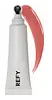
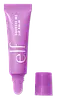
This barrier-repair lip moisturizer is formulated around Squalane and Butyrospermum Parkii Butter to strengthen the lip barrier and hydrate lips.

What's inside
What's inside
 Key Ingredients
Benefits
Concerns
Ingredients Side-by-side
Polyisobutene
Tridecyl Trimellitate
EmollientOctyldodecanol
Emollient
Cera Microcristallina
Emulsion StabilisingSilica Dimethyl Silylate
EmollientSimmondsia Chinensis Seed Oil
Emollient





Tocopheryl Acetate
Antioxidant


Phenoxyethanol
Preservative
Butyrospermum Parkii Butter
Skin Conditioning


Caprylyl Glycol
Emollient
Limnanthes Alba Seed Oil
Skin Conditioning
Glyceryl Behenate
Emollient
Sodium Hyaluronate
Humectant


CI 15850
Cosmetic ColorantIron Oxides
CI 77891
Cosmetic ColorantPolyisobutene, Tridecyl Trimellitate, Octyldodecanol, Cera Microcristallina, Silica Dimethyl Silylate, Simmondsia Chinensis Seed Oil, Tocopheryl Acetate, Phenoxyethanol, Butyrospermum Parkii Butter, Caprylyl Glycol, Limnanthes Alba Seed Oil, Glyceryl Behenate, Sodium Hyaluronate, CI 15850, Iron Oxides, CI 77891
Triisostearin
Skin Conditioning
Hydrogenated Polyisobutene
EmollientPolyglyceryl-10 Pentaisostearate
Emollient
Dextrin Palmitate
Emulsifying
Ethylhexylglycerin
Skin ConditioningDiethylhexyl Syringylidenemalonate
Skin Protecting
Parfum
Masking


Squalane
Emollient
Simethicone
Emollient
Caprylic/Capric Triglyceride
Masking
Butyrospermum Parkii Butter
Skin Conditioning
Water
Skin ConditioningRicinus Communis Seed Oil
Masking
Butylene Glycol
Humectant
Glycerin
Humectant
Tocopherol
Antioxidant
Sodium Hyaluronate
Humectant
Maltodextrin
Absorbent
Hydrogenated Castor Oil
Emollient
Lycium Chinense Fruit Extract
Antioxidant
1,2-Hexanediol
Skin Conditioning
Calcium Pantothenate
Xanthan Gum
EmulsifyingUrea
Buffering

Caprylyl Glycol
Emollient
Magnesium Lactate
BufferingPapain
Skin Conditioning
Soluble Collagen
Humectant
Potassium Lactate
BufferingProline
Skin Conditioning
Alanine
Masking
Serine
Masking
Magnesium Chloride
Sodium Citrate
BufferingCI 77891
Cosmetic ColorantCI 42090
Cosmetic ColorantTriisostearin, Hydrogenated Polyisobutene, Polyglyceryl-10 Pentaisostearate, Dextrin Palmitate, Ethylhexylglycerin, Diethylhexyl Syringylidenemalonate, Parfum, Squalane, Simethicone, Caprylic/Capric Triglyceride, Butyrospermum Parkii Butter, Water, Ricinus Communis Seed Oil, Butylene Glycol, Glycerin, Tocopherol, Sodium Hyaluronate, Maltodextrin, Hydrogenated Castor Oil, Lycium Chinense Fruit Extract, 1,2-Hexanediol, Calcium Pantothenate, Xanthan Gum, Urea, Caprylyl Glycol, Magnesium Lactate, Papain, Soluble Collagen, Potassium Lactate, Proline, Alanine, Serine, Magnesium Chloride, Sodium Citrate, CI 77891, CI 42090
Reviews
Ingredients Explained
These ingredients are found in both products.
Ingredients higher up in an ingredient list are typically present in a larger amount.
This ingredient is also known as shea butter. It is a plant-derived extract from the nuts of the Africa shea tree and one of the most well-studied emollients.
Because it has a high concentration of fatty acids (primarily oleic, stearic, and linoleic) it is able to form a protective barrier on the skin's surface. This helps seal in moisture and prevents transepidermal water loss (TEWL).
In vitro research found an increase in skin hydration by 58% and a decrease in TEWL by 37.8% after 24 hours of applying this ingredient (pretty impressive for a single ingredient!).
Besides hydration, shea butter also contains triterpenes that have anti-inflammatory potential. In particule, lupeol cinnamate has shown the highest anti-inflammatory activity in vivo.
Shea butter also contains vitamins A and E which may contribute to antioxidant activity.
While Shea Butter has an SPF rating of about 3-4, it is not a sunscreen replacement.
This ingredient may not be fungal acne safe because its fatty acids fall within the C11-C24 range that the Malassezia yeast can metabolize.
This ingredient shows up on a lot of "pore-clogging" lists but there's no real evidence behind that. It doesn't even have a comedogenic rating from an actual study; the numbers you'll find online come from blogs citing other blogs.
Ratings for other ingredients mostly come from a 1980s rabbit ear test. This test doesn't translate well to human skin or to real products because the ingredient sits at a much lower percentage.
Some people still find it breaks them out. So if that's you, definitely trust your skin. Just know this one's based on experience and not evidence.
Learn more about Butyrospermum Parkii ButterCaprylyl Glycol is a humectant, skin conditioner, emollient, and preservative booster derived from either caprylic acid or synthetically created.
Typical use levels vary from 0.3-1% as a preservative booster and go up to 2% to condition skin.
Because it is not a free-fatty acid, this ingredient is fungal acne safe (there's nothing for Malassezia to feed on).
Learn more about Caprylyl GlycolCi 77891 is a white pigment from Titanium dioxide. It is naturally found in minerals such as rutile and ilmenite.
It's main function is to add a white color to cosmetics. It can also be mixed with other colors to create different shades.
Ci 77891 is commonly found in sunscreens due to its ability to block UV rays.
Learn more about CI 77891Sodium Hyaluronate is the salt form of hyaluronic acid. It is a long sugar chain that is naturally found in your skin, joints, and connective tissue that maintains hydration and elasticity.
In skincare, it works as a humectant. It pulls water from the environment and deeper layers of skin and binds it to the surface.
Interestingly, the size of the molecule affects its behavior:
Some clinical evidence links low molecular weight versions to improved wrinkle depth, elasticity, anti-inflammatory effects, and barrier repair.
Many serums use a blend of both weights so you can get surface hydration plus longer-lasting and deeper effects.
You'll typically see concentrations between 0.1-2% for this ingredient.
Learn more about Sodium Hyaluronate

