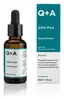
This oil-control serum is formulated around Zinc PCA and Lactic Acid to balance excess oil and refine the look of pores.
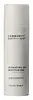
This barrier-repair moisturizer is formulated around Squalane and Niacinamide to strengthen the skin barrier and hydrate skin.


What's inside
What's inside
 Key Ingredients
Benefits
Concerns
Ingredients Side-by-side
Water
Skin ConditioningPropylene Glycol
Humectant


Lactobacillus/Ganoderma Lucidum Extract/Lentinus Edodes Extract Ferment Filtrate
Skin ConditioningBetaine
Humectant

Pentylene Glycol
Skin Conditioning
Zinc PCA
Humectant




Lactobacillus Ferment
Skin Conditioning
Lonicera Caprifolium Extract
AstringentLonicera Japonica Flower Extract
Skin ConditioningLactic Acid
Buffering






Glyceryl Caprylate
EmollientBiosaccharide Gum-1
Humectant
Collagen
Moisturising
Glycerin
Humectant
Leuconostoc/Radish Root Ferment Filtrate
Antimicrobial
Sodium Levulinate
Skin ConditioningSodium Anisate
AntimicrobialSodium Gluconate
ChelatingXanthan Gum
EmulsifyingWater, Propylene Glycol, Lactobacillus/Ganoderma Lucidum Extract/Lentinus Edodes Extract Ferment Filtrate, Betaine, Pentylene Glycol, Zinc PCA, Lactobacillus Ferment, Lonicera Caprifolium Extract, Lonicera Japonica Flower Extract, Lactic Acid, Glyceryl Caprylate, Biosaccharide Gum-1, Collagen, Glycerin, Leuconostoc/Radish Root Ferment Filtrate, Sodium Levulinate, Sodium Anisate, Sodium Gluconate, Xanthan Gum
Water
Skin ConditioningButylene Glycol
Humectant
Squalane
Emollient
Glycereth-7 Triacetate
EmollientCoco-Caprylate/Caprate
Emollient
Niacinamide
Smoothing
Glycerin
Humectant
Triheptanoin
Skin ConditioningSodium Polyacrylate
Absorbent
C9-12 Alkane
SolventGlyceryl Caprylate
EmollientEthylhexyl Stearate
Emollient

Polyurethane-10
Polysorbate 20
Emulsifying
Tromethamine
BufferingAmmonium Acryloyldimethyltaurate/Vp Copolymer
Decyl Glucoside
Cleansing
Panthenol
Skin Conditioning
Sodium Hyaluronate
Humectant
Lactic Acid
Buffering
Glyceryl Undecylenate
Emollient
Trideceth-6
EmulsifyingPropanediol
Solvent
Citric Acid
Buffering
1,2-Hexanediol
Skin Conditioning
C11-15-Isoalkanes
Perfuming

Oryza Sativa Bran Extract
Skin Conditioning
Oryza Sativa Hull Extract
MoisturisingSpinacia Oleracea Leaf Extract
Skin ConditioningHydroxyacetophenone
Antioxidant
Caprylyl Glycol
Emollient
Ipomoea Batatas Root Extract
Skin ConditioningSodium Benzoate
Masking
Polyglutamic Acid
Skin Conditioning
Camellia Sinensis Leaf Extract
Antimicrobial
Ferulic Acid
Antimicrobial
Lactobacillus Ferment Lysate
Skin Conditioning
Saccharomyces Lysate
Skin Conditioning
Water, Butylene Glycol, Squalane, Glycereth-7 Triacetate, Coco-Caprylate/Caprate, Niacinamide, Glycerin, Triheptanoin, Sodium Polyacrylate, C9-12 Alkane, Glyceryl Caprylate, Ethylhexyl Stearate, Polyurethane-10, Polysorbate 20, Tromethamine, Ammonium Acryloyldimethyltaurate/Vp Copolymer, Decyl Glucoside, Panthenol, Sodium Hyaluronate, Lactic Acid, Glyceryl Undecylenate, Trideceth-6, Propanediol, Citric Acid, 1,2-Hexanediol, C11-15-Isoalkanes, Oryza Sativa Bran Extract, Oryza Sativa Hull Extract, Spinacia Oleracea Leaf Extract, Hydroxyacetophenone, Caprylyl Glycol, Ipomoea Batatas Root Extract, Sodium Benzoate, Polyglutamic Acid, Camellia Sinensis Leaf Extract, Ferulic Acid, Lactobacillus Ferment Lysate, Saccharomyces Lysate
Reviews
Ingredients Explained
These ingredients are found in both products.
Ingredients higher up in an ingredient list are typically present in a larger amount.
Glycerin (or glycerol) is a compound naturally found in your skin. It's a powerhouse humectant that pulls water into the stratum corneum.
Topically, glycerin does several things at once:
Your skin makes glycerin on its own (mostly from sebaceous oil breakdown) and shuttles it to your outermost layer of skin, or your epidermis, via aquaporin-3.
Aquaporin-3 is a transporter that is essential for normal skin hydration, elasticity, and repair. Interestingly, mice lacking in AQP3 have dry and less elastic skin that can be fully corrected with glycerin.
This ingredient is non-irritating, plays well with almost every ingredient, and works across all skin types. Typical use is anywhere between 3-10% but can go up to 79% in some leave-on products.
Just know very high concentrations (>40%) can feel tacky in low humidity.
Glycerin is the name for this ingredient in American English. British English uses Glycerol/Glycerine.
Learn more about GlycerinGlyceryl Caprylate comes from glycerin and caprylic acid. It is an emollient, co-emulsifier, and preservative booster.
Its short C8 fatty acid chain makes it behave differently from its longer-chain emollient cousins like Glyceryl Stearate. It feels more lightweight, fast-absorbing, and silky instead of rich and waxy.
As a co-emulsifier, its "head" and "tail" sit at the oil-water interface. But overall, the short C8 tail and not being water soluble means it doesn't really have the muscle to emulsify a formula on its own. That's why you'll often see it paired with a primary emulsifier like Cetearyl Glucoside.
Interestingly, Glyceryl Caprylate acts as a preservative booster. This is because its fatty-acid backbone disrupts microbial lipid membranes. It shows excellent activity against bacteria and yeast but is weaker against mold.
Typical concentrations range from 0.5-1% and this ingredient is generally non-irritating.
Because this ingredient has a C8 fatty acid chain, it is outside the range that the Malassezia yeast metabolizes (making it fungal acne safe).
Learn more about Glyceryl CaprylateLactic Acid is another well-loved alpha hydroxy acid (AHA). It is gentler than glycolic acid but still highly effective.
Its main role is to exfoliate the surface of the skin by loosening the “glue” that holds dead skin cells together. Shedding those old cells leads to smoother, softer, and more even-toned skin.
Because lactic acid molecules are larger than glycolic acid, they don’t penetrate as deeply. This means they’re less likely to sting or irritate, making it a great choice for beginners or those with sensitive skin.
Like glycolic acid, it can:
Lactic acid also acts as a humectant (like hyaluronic acid). It can draw water into the skin to improve hydration and also plays a role in the skin's natural moisturizing factor (NMF) in the form of sodium lactate.
Studies show it can boost ceramide production to strengthen the skin barrier and even help balance the skin’s microbiome.
To get results, choose products with a pH between 3-4.
Lower strengths (5-12%) focus on surface exfoliation; higher strengths (12% and up) can reach deeper in the dermis (deeper, supportive layer) to improve skin texture and firmness over time.
Though it was originally derived from milk, most modern lactic acid used in skincare is vegan. It is made through non-dairy fermentation to create a bio-identical and stable form suitable for all formulations.
When lactic acid shows up near the end of an ingredient list, it usually means the brand added just a tiny amount to adjust the product’s pH.
Legend has it that Cleopatra used to bathe in sour milk to help reduce wrinkles.
Lactic acid is truly a gentle multitasker: it exfoliates, hydrates, strengthens, and brightens. It's a great ingredient for giving your skin a smooth, glowing, and healthy look without the harshness of stronger acids.
Read more about some other popular AHA's here:
Learn more about Lactic AcidWater. It's the most common cosmetic ingredient of all. You'll usually see it at the top of ingredient lists, meaning that it makes up the largest part of the product.
So why is it so popular? Water most often acts as a solvent - this means that it helps dissolve other ingredients into the formulation.
You'll also recognize water as that liquid we all need to stay alive. If you see this, drink a glass of water. Remember to stay hydrated!
Learn more about Water

