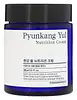
This barrier-repair moisturizer is formulated around Astragalus Membranaceus Root Extract and Butyrospermum Parkii Butter to strengthen the skin barrier and hydrate skin.
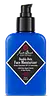
This barrier-repair day moisturizer is formulated around Pyrus Malus Fruit Extract and Sodium Hyaluronate to strengthen the skin barrier and hydrate skin.


What's inside
What's inside
 Key Ingredients
Benefits
Concerns
Ingredients Side-by-side
Astragalus Membranaceus Root Extract
Emollient
Butylene Glycol
Humectant

Cetyl Ethylhexanoate
EmollientButylene Glycol Dicaprylate/Dicaprate
EmollientHydrogenated Polydecene
EmollientButyrospermum Parkii Butter
Skin Conditioning




Cyclopentasiloxane
Emollient
Cetearyl Alcohol
Emollient

Macadamia Integrifolia Seed Oil
Skin Conditioning
Polysorbate 60
Emulsifying
1,2-Hexanediol
Skin Conditioning
Beeswax
Emulsion Stabilising
Glyceryl Stearate
Emollient
Cyclohexasiloxane
Emollient
Sodium Hyaluronate
Humectant

Sorbitan Sesquioleate
Emulsifying
Sodium Acrylate/Sodium Acryloyldimethyl Taurate Copolymer
Emulsion StabilisingIsohexadecane
EmollientPolysorbate 80
Emulsifying
PEG-100 Stearate
Surfactant
Glyceryl Caprate
EmollientAstragalus Membranaceus Root Extract, Butylene Glycol, Cetyl Ethylhexanoate, Butylene Glycol Dicaprylate/Dicaprate, Hydrogenated Polydecene, Butyrospermum Parkii Butter, Cyclopentasiloxane, Cetearyl Alcohol, Macadamia Integrifolia Seed Oil, Polysorbate 60, 1,2-Hexanediol, Beeswax, Glyceryl Stearate, Cyclohexasiloxane, Sodium Hyaluronate, Sorbitan Sesquioleate, Sodium Acrylate/Sodium Acryloyldimethyl Taurate Copolymer, Isohexadecane, Polysorbate 80, PEG-100 Stearate, Glyceryl Caprate
Butyl Methoxydibenzoylmethane
UV Absorber
Ethylhexyl Methoxycinnamate
UV Absorber

Water
Skin ConditioningCyclopentasiloxane
Emollient
Octyldodecyl Neopentanoate
EmollientPhenethyl Benzoate
Emollient

Dimethicone
Emollient
Glycereth-26
Humectant
Hydroxyethyl Acrylate/Sodium Acryloyldimethyl Taurate Copolymer
Emulsion StabilisingPhenoxyethanol
Preservative
Hydroxypropyl Starch Phosphate
Cetearyl Glucoside
Emulsifying
Carbomer
Emulsion StabilisingPyrus Malus Fruit Extract
Skin Conditioning
Butylene Glycol
Humectant
Sodium Hydroxide
BufferingDisodium EDTA
ChelatingSodium Hyaluronate
Humectant
Lavandula Angustifolia Oil
Masking

Iodopropynyl Butylcarbamate
Preservative
Pelargonium Graveolens Flower Oil
Masking
Rosmarinus Officinalis Leaf Oil
Masking
Lecithin
Emollient
Melilotus Officinalis Extract
AstringentHaslea Ostrearia Extract
Skin ConditioningPalmaria Palmata Extract
Skin Protecting
Calendula Officinalis Flower Extract
Masking
Glycerin
Humectant
Leontopodium Alpinum Extract
Skin ConditioningRetinyl Palmitate
Skin Conditioning


Tocopheryl Acetate
Antioxidant

Anthemis Nobilis Flower Oil
Masking
Peucedanum Ostruthium Leaf Extract
Skin ConditioningBuddleja Davidii Leaf Extract
Skin ConditioningArtemisia Umbelliformis Extract
Skin ConditioningButyl Methoxydibenzoylmethane, Ethylhexyl Methoxycinnamate, Water, Cyclopentasiloxane, Octyldodecyl Neopentanoate, Phenethyl Benzoate, Dimethicone, Glycereth-26, Hydroxyethyl Acrylate/Sodium Acryloyldimethyl Taurate Copolymer, Phenoxyethanol, Hydroxypropyl Starch Phosphate, Cetearyl Glucoside, Carbomer, Pyrus Malus Fruit Extract, Butylene Glycol, Sodium Hydroxide, Disodium EDTA, Sodium Hyaluronate, Lavandula Angustifolia Oil, Iodopropynyl Butylcarbamate, Pelargonium Graveolens Flower Oil, Rosmarinus Officinalis Leaf Oil, Lecithin, Melilotus Officinalis Extract, Haslea Ostrearia Extract, Palmaria Palmata Extract, Calendula Officinalis Flower Extract, Glycerin, Leontopodium Alpinum Extract, Retinyl Palmitate, Tocopheryl Acetate, Anthemis Nobilis Flower Oil, Peucedanum Ostruthium Leaf Extract, Buddleja Davidii Leaf Extract, Artemisia Umbelliformis Extract
Reviews
Ingredients Explained
These ingredients are found in both products.
Ingredients higher up in an ingredient list are typically present in a larger amount.
Butylene Glycol (or BG) is used within cosmetic products for a few different reasons:
Overall, Butylene Glycol is a safe and well-rounded ingredient that works well with other ingredients.
Though this ingredient works well with most skin types, some people with sensitive skin may experience a reaction such as allergic rashes, closed comedones, or itchiness.
Learn more about Butylene GlycolCyclopentasiloxane (D5) is a lightweight silicone that mostly acts as an emollient and solvent in cosmetics. Its the reason your products feel silky, fast-spreading, and non-greasy.
Since D5 is volatile, it does its thing and then evaporates off the skin quickly.
The safety profile of this ingredient is reassuring; the US CIR Expert Panel concluded D5 is safe as used in cosmetics and Health Canada concluded that D5 is not harmful to human health or the environment as currently used in cosmetics
There's a study that people mention about D5 in a rat study showing tumors. This study is related to long-term inhalation of high D5 levels.
Regulatory bodies have judged this study to be not applicable in topical skincare since skin absorption of D5 is very low and we're not really inhaling huge amounts of D5.
The only restriction for this ingredient is environmental. The European Chemicals Agency (ECHA) restricted D5 in wash-off cosmetics at or above 0.1% due to their persistence in water.
Learn more about CyclopentasiloxaneSodium Hyaluronate is the salt form of hyaluronic acid. It is a long sugar chain that is naturally found in your skin, joints, and connective tissue that maintains hydration and elasticity.
In skincare, it works as a humectant. It pulls water from the environment and deeper layers of skin and binds it to the surface.
Interestingly, the size of the molecule affects its behavior:
Some clinical evidence links low molecular weight versions to improved wrinkle depth, elasticity, anti-inflammatory effects, and barrier repair.
Many serums use a blend of both weights so you can get surface hydration plus longer-lasting and deeper effects.
You'll typically see concentrations between 0.1-2% for this ingredient.
Learn more about Sodium Hyaluronate

