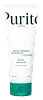
This mild gel cleanser is made to cleanse while calming and soothing your skin.

What's inside
What's inside
 Key Ingredients
Benefits
Concerns
Ingredients Side-by-side
Water
Skin ConditioningCoco-Betaine
Cleansing
Sodium Lauroyl Methyl Isethionate
CleansingSodium Chloride
MaskingAcrylates/C10-30 Alkyl Acrylate Crosspolymer
Emulsion StabilisingTromethamine
BufferingHydroxyacetophenone
Antioxidant
Sodium Methyl Isethionate
EmulsifyingPanthenol
Skin Conditioning




Allantoin
Skin Conditioning
Bambusa Vulgaris Extract
Skin Conditioning
Lauric Acid
Cleansing




Melaleuca Alternifolia Leaf Oil
Antioxidant





Sodium Laurate
CleansingEthylhexylglycerin
Skin Conditioning1,2-Hexanediol
Skin Conditioning
Betaine
Humectant
Disodium EDTA
ChelatingWater, Coco-Betaine, Sodium Lauroyl Methyl Isethionate, Sodium Chloride, Acrylates/C10-30 Alkyl Acrylate Crosspolymer, Tromethamine, Hydroxyacetophenone, Sodium Methyl Isethionate, Panthenol, Allantoin, Bambusa Vulgaris Extract, Lauric Acid, Melaleuca Alternifolia Leaf Oil, Sodium Laurate, Ethylhexylglycerin, 1,2-Hexanediol, Betaine, Disodium EDTA
Water
Skin ConditioningGlycerin
Humectant
Stearic Acid
Cleansing
Myristic Acid
Cleansing
Lauric Acid
Cleansing
Potassium Hydroxide
BufferingSorbitol
Humectant
1,2-Hexanediol
Skin Conditioning
PEG-32
HumectantCocamidopropyl Betaine
Cleansing
Potassium Cocoyl Glycinate
Surfactant
Sodium Methyl Cocoyl Taurate
Cleansing
PEG-100 Stearate
Surfactant
PEG-150 Distearate
Emulsifying
Glyceryl Stearate
Emollient
Glycol Stearate
Emollient
Sodium Chloride
MaskingGlycol Distearate
Emollient
Sodium Methyltaurate
Skin ConditioningAllantoin
Skin Conditioning
Melaleuca Alternifolia Leaf Oil
Antioxidant
Hydroxyethylcellulose
Emulsion StabilisingDisodium EDTA
ChelatingSorbitan Olivate
Emulsifying
Polyquaternium-7
Coconut Acid
Cleansing
Butylene Glycol
Humectant
Hydroxyethyl Acrylate/Sodium Acryloyldimethyl Taurate Copolymer
Emulsion StabilisingMentha Suaveolens Leaf Extract
AstringentMelaleuca Alternifolia Leaf Extract
Perfuming
Centella Asiatica Extract
Cleansing

Propolis Extract
Skin Conditioning
Asiaticoside
Antioxidant
Asiatic Acid
Skin Conditioning
Madecassic Acid
Skin Conditioning
Madecassoside
Antioxidant
Caprylyl Glycol
Emollient
Sodium Benzoate
Masking
Water, Glycerin, Stearic Acid, Myristic Acid, Lauric Acid, Potassium Hydroxide, Sorbitol, 1,2-Hexanediol, PEG-32, Cocamidopropyl Betaine, Potassium Cocoyl Glycinate, Sodium Methyl Cocoyl Taurate, PEG-100 Stearate, PEG-150 Distearate, Glyceryl Stearate, Glycol Stearate, Sodium Chloride, Glycol Distearate, Sodium Methyltaurate, Allantoin, Melaleuca Alternifolia Leaf Oil, Hydroxyethylcellulose, Disodium EDTA, Sorbitan Olivate, Polyquaternium-7, Coconut Acid, Butylene Glycol, Hydroxyethyl Acrylate/Sodium Acryloyldimethyl Taurate Copolymer, Mentha Suaveolens Leaf Extract, Melaleuca Alternifolia Leaf Extract, Centella Asiatica Extract, Propolis Extract, Asiaticoside, Asiatic Acid, Madecassic Acid, Madecassoside, Caprylyl Glycol, Sodium Benzoate
Reviews
Ingredients Explained
These ingredients are found in both products.
Ingredients higher up in an ingredient list are typically present in a larger amount.
1,2-Hexanediol is a synthetic liquid and another multi-functional powerhouse.
It is a:
- Humectant, drawing moisture into the skin
- Emollient, helping to soften skin
- Solvent, dispersing and stabilizing formulas
- Preservative booster, enhancing the antimicrobial activity of other preservatives
Allantoin is a soothing ingredient known for its protective and moisturizing properties; it's basically a quiet workhorse ingredient you can find in a huge range of cosmetics.
Though it can be derived from the comfrey plant, allantoin is produced synthetically for cosmetic products to ensure purity.
Research shows it can encourage your skin cells to turn over and renew by stimulating keratinocyte and fibroblast proliferation.
It also has mild keratolytic properties to help loosen and shed dead skin cells without being harsh.
Studies also suggest allantoin can help calm inflammation by dialing down some of the chemical signals your skin sends out when it is irritated.
This ingredient is typically used in the 0.1-0.5% range, and the FDA recognizes it as a skin protectant in OTC products up to 2%.
Overall, allantoin is a wonderful addition to most routines; it is stable across a wide pH range (~4-8), works well with other ingredients, and is considered non-sensitizing/non-irritating.
Fun fact: Allantoin is naturally occurring in comfrey root, beets, chamomile, and wheat sprouts. Our bodies even produce it as a byproduct of uric acid metabolism.
Learn more about AllantoinDisodium EDTA is a chelating agent. It grabs onto and deactivates metal ions that sneak into your products from water, packaging, or air.
This ingredient mainly works behind the scenes and helps with:
On top of that, this ingredient can counteract the effects of hard water by binding to the minerals in it.
One thing worth knowing is that Disodium EDTA has been shown to be a mild penetration enhancer. It can help other ingredients absorb into skin more effectively which can be a double-edged sword (great for actives, but can also make the active too strong if you have sensitive skin).
Clinical patch testing showed no significant skin irritation at typical use concentrations and minimal dermal absorption.
You'll most likely see this ingredient near the end of an ingredient list. It's typically found in concentrations less than 1%.
Learn more about Disodium EDTALauric Acid is a saturated fatty acid naturally found in coconut oil, palm kernel oil, and even breast milk.
In cosmetics, it is an:
Lab studies have found that lauric acid is surprisingly good at killing acne-causing bacteria. However, these tests were done on bacteria in a petri dish and not on real skin, so we can't say for certain it works the same in a formulation on a real face.
The comedogenic rating of 4 comes from the 1972 rabbit ear model using undiluted ingredients. Comedogenicity is highly individual and one comedogenic ingredient cannot predict how a formula will behave on skin.
This ingredient is not fungal acne safe and research has confirmed Malassezia can use it as a food source. Even though "fungal acne" has the word "acne" in it, they are completely different. Regular acne is driven by a bacteria called Cutibacterium acnes, clogged pores, and excess oil. Fungal acne isn't really acne; it's caused by an overgrowth of a yeast called Malassezia that already lives on everyone's skin. Because one is bacterial and the other is fungal, they respond to different ingredients.
Learn more about Lauric AcidThis ingredient is also known as tea tree oil. It has antioxidant, anti-inflammatory, and antimicrobial properties.
Tea tree oil is a complex lipophilic (fat-loving) oil that contains around 100 compounds with terpinen-4-ol being the most abundant (~40%).
Terpinen-4-ol is responsible for tea tree oil's broad-spectrum antimicrobial activity and makes it a well-researched option for acne.
Clinical studies support 5% tea tree oil as an effective topical treatment for mild to moderate acne. A study with 124 patients compared 5% tea tree oil gel to 5% benzoyl peroxide and both reduced acne (though tea tree oil worked more slowly).
Besides acne, it is also seen in anti-dandruff shampoos and scalp treatments for it's antimicrobial and anti-seborrheic properties.
Safety-wise, the allergic potential of low concentrations on healthy skin is considered low. However, oxidized (old or improperly stored) tea tree oil is a stronger sensitizer.
Irritation can also occur if using the undiluted oil on skin; it's best to use this ingredient as part of a carefully crafted cosmetic formula. This is because regulations require tea tree oil in cosmetics to be stabilized to prevent degradation.
This ingredient has been deemed safe up to 2% in shampoo, 1% in cleansers, and 0.1% in face cream by the EU's Scientific Committee on Consumer Safety (SCCS).
There is some lab evidence that tea tree oil is antifungal against Malassezia, but it is a supportive option at best and not a replacement for proven antifungal treatments.
Learn more about Melaleuca Alternifolia Leaf OilChances are, you eat sodium chloride every day. Sodium Chloride is also known as table salt. This ingredient has many purposes in skincare: thickener, emulsifier, and exfoliator.
You'll most likely find this ingredient in cleansers where it is used to create a gel-like texture. As an emulsifier, it also prevents ingredients from separating.
You might see people debate whether Sodium Chloride is comedogenic, but there actually haven't been any comedogenic tests done on it. Either way, the overall formulation of a product matters a lot more than any single ingredient.
You might see this ingredient used in scrubs as a primary exfoliating ingredient.
Learn more about Sodium ChlorideWater. It's the most common cosmetic ingredient of all. You'll usually see it at the top of ingredient lists, meaning that it makes up the largest part of the product.
So why is it so popular? Water most often acts as a solvent - this means that it helps dissolve other ingredients into the formulation.
You'll also recognize water as that liquid we all need to stay alive. If you see this, drink a glass of water. Remember to stay hydrated!
Learn more about Water

