
What's inside
What's inside
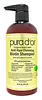 Key Ingredients
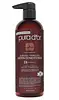
Benefits
Concerns
Ingredients Side-by-side
Aloe Barbadensis Leaf Juice
Skin Conditioning


Decyl Glucoside
Cleansing
Cocamidopropyl Hydroxysultaine
Cleansing
Cocamidopropyl Betaine
Cleansing


Polyquaternium-71
HumectantCocamide Mipa
Emulsifying
Disodium Laureth Sulfosuccinate
CleansingPolyquaternium-80
CleansingDisodium Lauryl Sulfosuccinate
CleansingLactobacillus Ferment
Skin Conditioning
Salix Alba Bark Extract
Astringent

Melaleuca Alternifolia Leaf Oil
Antioxidant




Argania Spinosa Kernel Oil
Emollient
Nigella Sativa Seed Oil
Emollient
Urtica Dioica Leaf Extract
Skin ConditioningGrateloupia Elliptica Extract
Skin ConditioningBiotin
AntiseborrhoeicSerenoa Serrulata Fruit Extract
Skin Conditioning
Cedrus Atlantica Bark Oil
Masking
Rosmarinus Officinalis Leaf Oil
Masking
Salvia Sclarea Oil
Masking
Polygonum Multiflorum Root Extract
Skin ConditioningHibiscus Sabdariffa Flower Extract
Skin ConditioningPrunus Africana Bark Extract
Skin ConditioningCucurbita Pepo Seed Oil
Emollient
Camellia Sinensis Leaf Extract
Antimicrobial


Zinc Pyrithione
Antiseborrhoeic
Soy Isoflavones
Skin ConditioningBeta-Sitosterol
Emulsion Stabilising
Emblica Officinalis Fruit
Skin ConditioningCitrus Limon Peel Oil
Masking
Citrus Grandis Seed Extract
Astringent
Cymbopogon Flexuosus Oil
Masking
Niacin
SmoothingTocopherol
Antioxidant
Sorbitan Oleate Decylglucoside Crosspolymer
CleansingXylityl Sesquicaprylate
Antimicrobial
Citric Acid
Buffering
Aloe Barbadensis Leaf Juice, Decyl Glucoside, Cocamidopropyl Hydroxysultaine, Cocamidopropyl Betaine, Polyquaternium-71, Cocamide Mipa, Disodium Laureth Sulfosuccinate, Polyquaternium-80, Disodium Lauryl Sulfosuccinate, Lactobacillus Ferment, Salix Alba Bark Extract, Melaleuca Alternifolia Leaf Oil, Argania Spinosa Kernel Oil, Nigella Sativa Seed Oil, Urtica Dioica Leaf Extract, Grateloupia Elliptica Extract, Biotin, Serenoa Serrulata Fruit Extract, Cedrus Atlantica Bark Oil, Rosmarinus Officinalis Leaf Oil, Salvia Sclarea Oil, Polygonum Multiflorum Root Extract, Hibiscus Sabdariffa Flower Extract, Prunus Africana Bark Extract, Cucurbita Pepo Seed Oil, Camellia Sinensis Leaf Extract, Zinc Pyrithione, Soy Isoflavones, Beta-Sitosterol, Emblica Officinalis Fruit, Citrus Limon Peel Oil, Citrus Grandis Seed Extract, Cymbopogon Flexuosus Oil, Niacin, Tocopherol, Sorbitan Oleate Decylglucoside Crosspolymer, Xylityl Sesquicaprylate, Citric Acid
Aloe Barbadensis Leaf Juice
Skin Conditioning
Behentrimonium Chloride
Preservative
Ethylhexyl Olivate
Skin Conditioning
Squalane
Emollient
Cetearyl Alcohol
Emollient


Pyrus Malus Fruit Extract
Skin Conditioning
Glycerin
Humectant
Stearamidopropyl Dimethylamine
EmulsifyingStearyl Alcohol
Emollient
Argania Spinosa Kernel Oil
Emollient
Helianthus Annuus Extract
Emollient
Tocopherol
Antioxidant
Lactobacillus Ferment
Skin Conditioning
Propanediol
Solvent
Cucurbita Pepo Seed Oil
Emollient
Lonicera Caprifolium Flower Extract
Perfuming
Lonicera Japonica Flower Extract
Skin ConditioningBiotin
AntiseborrhoeicHydroxyethylcellulose
Emulsion StabilisingOryza Sativa Extract
Absorbent
Rosmarinus Officinalis Leaf Oil
Masking
Cucumis Sativus Fruit Extract
Emollient
Persea Gratissima Oil
Skin Conditioning
Camellia Sinensis Leaf Extract
Antimicrobial
Aloe Barbadensis Leaf Juice, Behentrimonium Chloride, Ethylhexyl Olivate, Squalane, Cetearyl Alcohol, Pyrus Malus Fruit Extract, Glycerin, Stearamidopropyl Dimethylamine, Stearyl Alcohol, Argania Spinosa Kernel Oil, Helianthus Annuus Extract, Tocopherol, Lactobacillus Ferment, Propanediol, Cucurbita Pepo Seed Oil, Lonicera Caprifolium Flower Extract, Lonicera Japonica Flower Extract, Biotin, Hydroxyethylcellulose, Oryza Sativa Extract, Rosmarinus Officinalis Leaf Oil, Cucumis Sativus Fruit Extract, Persea Gratissima Oil, Camellia Sinensis Leaf Extract
Reviews
Alternatives
Ingredients Explained
These ingredients are found in both products.
Ingredients higher up in an ingredient list are typically present in a larger amount.
Aloe Barbadensis Leaf Juice is the filtered, stabilized liquid pressed from the inner gel of the aloe vera leaf.
In cosmetics, it shows up as either soothing active or a water-replacement base. It is roughly 98-99% water and the last 1-2% is an interesting mix of polysaccharides, amino acids, vitamins, minerals, and enzymes.
The polysaccharides do most of the work: they bind water at the skin surface for a light, non-greasy hydration boost. And one of the polysaccharides, glycomannan, is linked to fibroblast stimulation + collagen synthesis. This is also why aloe has such a long track record in wound and burn healing.
This ingredient is also calming with anti-inflammatory and mild antimicrobial activity, making it a great pick for sensitive, irritated, or post-sun skin.
Realistic expectations matter though; the solid evidence is mostly limited to hydration, soothing, and wound support. Deeper claims about anti-aging or sun protection are not well backed, and science reviews note it does not prevent radiation-induced skin injury.
Because it plays well with almost everything, it's commonly used as a base alongside other actives like niacinamide or vitamin C.
Typical usage concentrations range from 0.5% (where hydration benefits already show up) all the way to 90%+ (where it replaces water as the main base).
The safety for this ingredient is well-establish as well. Overall, this is a great supporting ingredient for those who want a boost in hydration.
Learn more about Aloe Barbadensis Leaf JuiceYou may know this ingredient as argan oil. It has emollient and skin conditioning properties that help soften skin and reinforce the lipid barrier.
The fatty acid profile of argan oil is roughly 45-55% oleic acid, 28-36% linoleic acid, 10-15% palmitic acid, and 5-7% stearic acid. It also contains vitamin E, sterols, squalene, and polyphenols like ferulic acid.
Two clinical studies in postmenopausal women found that applying argan oil for 60 days significantly improved skin elasticity and moisturization (reduced transepidermal water loss and increased epidermal water content).
Since it is high in oleic and linoleic acid, this ingredient may not be fungal acne safe. Both of these fall in the C11-C24 range that Malassezia yeast can metabolize.
Learn more about Argania Spinosa Kernel OilBiotin is a B vitamin that is naturally produced by our bodies. It is also called Vitamin H.
Our bodies use biotin in the metabolism process. It also helps our bodies use enzymes and move nutrients around. A biotin deficiency can lead to brittle hair and nails.
More research is needed on applying biotin topically. However, taking biotin orally has been shown to help nourish the skin, hair, and nails. They play a role in forming skin-hydrating fatty acids.
Biotin is water-soluble. It can be found in foods such as fish, eggs, dairy, nuts, and meat. Vitamin H stands for "haar" and "haut". These are the German words for hair and skin.
Learn more about BiotinCamellia Sinensis Leaf Extract (tea extract) is one of the most well-researched plant extracts in skincare with an impressive resume.
Black tea, green tea, and oolong tea are all harvested from the Camellia Sinensis plant.
Studies show green tea extract and its catechins (like epigallocatechin gallate (EGCG)) help your skin cells product energy more efficiently and reducing the number of free-radicals that can damage your skin from the inside.
In lab-grown skin models, this translated to younger, healthier, and stronger skin.
There's also good sun protection data; researchers saw less DNA damage and redness on human skin when green tea was applied before UVB exposure. And the more they applied, the better the protection.
Needless to say, this ingredient shouldn't replace your sunscreen. But it is a great supportive ingredient that you can already find in many sunscreens and antioxidant serums.
A 2009 study found a 2% green tea lotion was effective for mild-to-moderate acne thanks to its anti-inflammatory and mild antimicrobial activity.
The quality of the extract matters a lot here:
Good extracts contain 50-90% catechins while lower quality ones are mostly there for marketing. We recommend reaching out to the brand if you have questions about the quality or source of their ingredients.
Human Repeated Insult Patch Testing showed no irritation or sensitization at use concentrations (0.86% in leave-on products and up to 30% as leaf water).
Learn more about Camellia Sinensis Leaf ExtractCucurbita Pepo Seed oil comes from the field pumpkin, including winter squash and the traditional orange pumpkin we see in Autumn.
Pumpkin seed oil is rich in vitamin E and plenty of fatty acids such as linoleic acids. Pumpkin seeds also have zinc and cartenoids.
Linoleic acid helps moisturize your skin as an emollient. Emollients act as a thin film to prevent moisture from escaping.
Cartenoids are an antioxidant. Antioxidants protect your skin against external damage. They also give pumpkins their classic orange color.
Fun fact: Pumpkins were first domesticated in Southern Mexico about 10,000 years ago.
Learn more about Cucurbita Pepo Seed OilThis ingredient is made when the Lactobacillus bacteria (the same kind that makes yogurt and kimchi) are allowed to ferment a nutrient medium.
As it ferments, it collects lactic acid, peptides, enzymes, and other bioactive metabolites to provide:
A 2023 review noted that probiotic fermentation ingredients like this one can enhance antioxidant capacity, reduce UV-induced oxidative damage, and support barrier function.
One clinical study from the same year showed a Lactobacillus ferment lysate significantly reduced transepidermal water loss and improved skin hydration.
Another review highlighted that topical Lactobacillus-based preparations can improve ceramide levels in the stratum corneum, support barrier integrity, and even help reduce S. aureus colonization in atopic dermatitis.
Why is this so cool?
Basically, your skin's outer layer works as a brick wall; skin cells are bricks and ceramides are the mortar holding it together. Moisture escapes, irritants get in, and your skin gets dry and reactive when ceramide levels drop. On top of that, "bad" skin bacteria S. aureus loves to move in when your barrier is weak to make inflammation and irritation worse.
So Lactobacillus ferment is basically patching the wall and evicting the troublemaker when it boosts ceramide production and help keep S. aureus in check.
On top of all this, it also acts as a mild antimicrobial preservative booster.
Just so you know, most studies focus on specific strains or the lysate form rather than this generic "Lactobacillus Ferment", so results can vary.
Though it's a promising ingredient, it doesn't have decades of robust clinical data behind it just yet.
Lactobacillus Ferment is generally considered safe for fungal-acne prone skin. The key thing to understand is that it comes from bacteria, not yeast or fungus.
Yeast-derived ferments (like galactomyces) have been shown to activate a protein that's linked to Malassezia-related skin issues whereas lactobacillus doesn't have that problem.
Its byproducts also don't contain the types of fatty acids (C11-24 chain lengths) that Malassezia feeds on.
Learn more about Lactobacillus FermentRosmarinus Officinalis Leaf Oil is an essential oil also known as rosemary essential oil. In skincare, it is a skin conditioning agent and also acts as a natural fragrance that gives products a fresh/herby smell.
The oil is a mix of over 100 volatile compounds with 1,8-cineole, α-pinene, camphor, and verbenone usually leading the pack.
Lab studies credit this oil with antioxidant, anti-inflammatory, and antimicrobial activity. Some research even show rosemary compounds calming acne-related inflammation.
The Cosmetic Ingredient Review (CIR) has concluded rosemary-derived ingredients to be safe when formulated to be nonsensitizing.
Since this is a fragrant essential oil, the main concern is for fragrance-sensitive folks.
Learn more about Rosmarinus Officinalis Leaf OilTocopherol is a fat-soluble antioxidant known as Vitamin E.
You'll find this ingredient in the vast majority of skincare (for good reason). It works to neutralize free radicals, or unstable molecules generated by UV exposure, pollution, and other environmental stressors, before they can cause oxidative damage to your skin cells.
Topically applied tocopherol has been shown to protect against UV damage by ramping up the skin's own natural defense enzymes.
It also acts as a skin conditioning agent; some studies show that regular topical use can improve the skin's water-binding capacity over 2-4 weeks.
This ingredient is especially loved for being a team player. When combined with Vitamin C, the photoprotective effect of both ingredients roughly doubles and the combo also helps reduce UV-induced DNA damage.
This ingredient has some brightening potential but it's more of a prevention ingredient than spot-fader. Cell studies show it can slow down melanin production but it's worth noting that it's not the most powerful brightener out there.
In formulations, it also serves as a stabilizer that helps protect other oxidation-prone ingredients from degrading.
Concentrations usually range from 0.1-1% in most leave-on products.
Learn more about Tocopherol

