Prequel Multi-Acid Milk Peel AHA Exfoliating Solution Versus Glow Recipe LHA + AHA Exfoliating Toner Pads
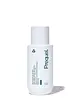
This smoothing exfoliator is formulated around Glycolic Acid and Mandelic Acid to refine skin texture and brighten dull-looking skin.
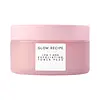
This smoothing toner pad uses a pre-saturated pad with Gluconolactone and Salicylic Acid to refine skin texture and refine the look of pores.

What's inside
What's inside
 Key Ingredients
Benefits
Concerns
Ingredients Side-by-side
Water
Skin ConditioningGlycolic Acid
Buffering











Sodium Hydroxide
BufferingGlycerin
Humectant

Propanediol
Solvent
Ethylhexyl Olivate
Skin Conditioning
Hydroxyethyl Acrylate/Sodium Acryloyldimethyl Taurate Copolymer
Emulsion StabilisingC13-14 Isoparaffin
Emollient
C11-12 Isoparaffin
Skin Conditioning
Phytic Acid
Malic Acid
Buffering
Mandelic Acid
Antimicrobial
Lactic Acid
Buffering
Lipase
Skin ConditioningProtease
Exfoliating
Squalane
Emollient
Polyglyceryl-10 Stearate
Skin Conditioning
C15-23 Alkane
SolventHydroxyacetophenone
Antioxidant
Phenoxyethanol
Preservative
Tricaprylin
Perfuming

Glyceryl Oleate
Emollient
Ethylhexyl Polyhydroxystearate
EmollientTetradecane
Perfuming
C13-14 Alkane
SolventDecyl Glucoside
Cleansing
Maltodextrin
Absorbent
Xanthan Gum
EmulsifyingLecithin
Emollient
Sclerotium Gum
Emulsion StabilisingPolyglyceryl-4 Oleate
Emulsifying
Carrageenan

Silica
Abrasive
Water, Glycolic Acid, Sodium Hydroxide, Glycerin, Propanediol, Ethylhexyl Olivate, Hydroxyethyl Acrylate/Sodium Acryloyldimethyl Taurate Copolymer, C13-14 Isoparaffin, C11-12 Isoparaffin, Phytic Acid, Malic Acid, Mandelic Acid, Lactic Acid, Lipase, Protease, Squalane, Polyglyceryl-10 Stearate, C15-23 Alkane, Hydroxyacetophenone, Phenoxyethanol, Tricaprylin, Glyceryl Oleate, Ethylhexyl Polyhydroxystearate, Tetradecane, C13-14 Alkane, Decyl Glucoside, Maltodextrin, Xanthan Gum, Lecithin, Sclerotium Gum, Polyglyceryl-4 Oleate, Carrageenan, Silica
Water
Skin ConditioningGlycerin
Humectant
Butylene Glycol
Humectant
Dipropylene Glycol
HumectantGluconolactone
Skin Conditioning
Methylpropanediol
Solvent1,2-Hexanediol
Skin Conditioning
Lactic Acid
Buffering
Mandelic Acid
Antimicrobial
Salicylic Acid
Masking

Sodium Hydroxide
BufferingCaffeine
Skin Conditioning
Citrullus Lanatus Fruit Extract
Skin Conditioning
Centella Asiatica Extract
Cleansing
Aloe Barbadensis Leaf Juice
Skin Conditioning
Allantoin
Skin Conditioning
Hydroxyacetophenone
Antioxidant
Betaine
Humectant
Polyglyceryl-10 Laurate
Skin Conditioning
Propanediol
Solvent
Ethylhexylglycerin
Skin ConditioningAdenosine
Skin Conditioning
Hydroxyethyl Urea
Humectant
Sodium Citrate
BufferingSodium Phytate
Citric Acid
Buffering
Arginine
Masking
Beta-Glucan
Skin Conditioning
Capryloyl Salicylic Acid
Exfoliating
Protease
Exfoliating
Tocopherol
Antioxidant
Water, Glycerin, Butylene Glycol, Dipropylene Glycol, Gluconolactone, Methylpropanediol, 1,2-Hexanediol, Lactic Acid, Mandelic Acid, Salicylic Acid, Sodium Hydroxide, Caffeine, Citrullus Lanatus Fruit Extract, Centella Asiatica Extract, Aloe Barbadensis Leaf Juice, Allantoin, Hydroxyacetophenone, Betaine, Polyglyceryl-10 Laurate, Propanediol, Ethylhexylglycerin, Adenosine, Hydroxyethyl Urea, Sodium Citrate, Sodium Phytate, Citric Acid, Arginine, Beta-Glucan, Capryloyl Salicylic Acid, Protease, Tocopherol
Reviews
Ingredients Explained
These ingredients are found in both products.
Ingredients higher up in an ingredient list are typically present in a larger amount.
Glycerin (or glycerol) is a compound naturally found in your skin. It's a powerhouse humectant that pulls water into the stratum corneum.
Topically, glycerin does several things at once:
Your skin makes glycerin on its own (mostly from sebaceous oil breakdown) and shuttles it to your outermost layer of skin, or your epidermis, via aquaporin-3.
Aquaporin-3 is a transporter that is essential for normal skin hydration, elasticity, and repair. Interestingly, mice lacking in AQP3 have dry and less elastic skin that can be fully corrected with glycerin.
This ingredient is non-irritating, plays well with almost every ingredient, and works across all skin types. Typical use is anywhere between 3-10% but can go up to 79% in some leave-on products.
Just know very high concentrations (>40%) can feel tacky in low humidity.
Glycerin is the name for this ingredient in American English. British English uses Glycerol/Glycerine.
Learn more about GlycerinHydroxyacetophenone is a small phenolic molecule that earns its place in a formulas as an antioxidant and preservative booster.
As a phenol, it is able to neutralize free radicals to protect both the product and the skin from oxidative stress.
Though it can't kill microbes on its own, it works as a good supporting agent when combined with other preservatives like Phenoxyethanol or 1,2-Hexanediol.
This ingredient naturally occurs as piceol in Norwegian spruce needles (~0.4-1.1% dry weight and in cloudberries). Though the cosmetic-grade material is synthesized for purity and consistency.
You'll usually see it used at low levels and suppliers recommend up to 1% added to a water phase.
Safety testing was done at concentrations like 0.05% in SPF products and 0.5% in a Human Repeated Insult Patch Test. The safety evidence is assuring; this ingredient is safe for cosmetics in current use and also holds safety status as a food flavoring as well.
An honest caveat: the "soothing" and "anti-inflammatory" claims come mostly from supplier marketing rather than published clinical trials. The Cosmetic Ingredient Review's own literature search found no useful efficacy studies on this ingredient.
So the antioxidant and preservative-boosting roles are the well supported ones while the calming benefit is plausible but thinly evidenced.
Overall, this is a well-tolerated, low-irritation multitasker that quietly helps a formula stay fresh and stable.
Learn more about HydroxyacetophenoneLactic Acid is another well-loved alpha hydroxy acid (AHA). It is gentler than glycolic acid but still highly effective.
Its main role is to exfoliate the surface of the skin by loosening the “glue” that holds dead skin cells together. Shedding those old cells leads to smoother, softer, and more even-toned skin.
Because lactic acid molecules are larger than glycolic acid, they don’t penetrate as deeply. This means they’re less likely to sting or irritate, making it a great choice for beginners or those with sensitive skin.
Like glycolic acid, it can:
Lactic acid also acts as a humectant (like hyaluronic acid). It can draw water into the skin to improve hydration and also plays a role in the skin's natural moisturizing factor (NMF) in the form of sodium lactate.
Studies show it can boost ceramide production to strengthen the skin barrier and even help balance the skin’s microbiome.
To get results, choose products with a pH between 3-4.
Lower strengths (5-12%) focus on surface exfoliation; higher strengths (12% and up) can reach deeper in the dermis (deeper, supportive layer) to improve skin texture and firmness over time.
Though it was originally derived from milk, most modern lactic acid used in skincare is vegan. It is made through non-dairy fermentation to create a bio-identical and stable form suitable for all formulations.
When lactic acid shows up near the end of an ingredient list, it usually means the brand added just a tiny amount to adjust the product’s pH.
Legend has it that Cleopatra used to bathe in sour milk to help reduce wrinkles.
Lactic acid is truly a gentle multitasker: it exfoliates, hydrates, strengthens, and brightens. It's a great ingredient for giving your skin a smooth, glowing, and healthy look without the harshness of stronger acids.
Read more about some other popular AHA's here:
Learn more about Lactic AcidMandelic Acid is an alpha hydroxy acid (AHA).
Like other AHAs, it helps exfoliate the surface of the skin by breaking down the bonds that hold dead skin cells together. This helps reveal smoother and brighter skin underneath.
Mandelic acid helps with:
Due to it having a larger molecular size than glycolic acid, mandelic acid is able to penetrate the skin more slowly and evenly. This makes it gentler and less irritating, making it a great option for sensitive or beginner skin.
Despite being milder, mandelic acid is still an effective exfoliant that improves skin texture and tone over time.
What makes mandelic acid stand out from other AHAs? It has antibacterial and antioxidant properties.
These traits make it a great option for acne-prone or problem skin by reducing active breakouts and fading post-acne marks. Studies show that mandelic acid (especially when combined with salicylic acid) can significantly reduce pimples and hyperpigmentation while causing fewer side effects than stronger acids.
Mandelic acid is effective in concentrations of 5% and up with an ideal pH range of 3-4 for at-home use.
Like other AHAs, it’s important to wear sunscreen daily to protect your newly exfoliated skin.
However, unlike glycolic acid, mandelic acid is light-sensitive. Be sure your mandelic acid is packaged in opaque containers to ensure it stays stable and effective.
In short, mandelic acid is a gentle yet powerful AHA that exfoliates, brightens, and helps clarify skin while keeping irritation low. Its antibacterial action makes it especially beneficial for those with acne-prone, sensitive, or uneven skin, offering smoother, clearer, and more even-toned results over time.
Read more about some other popular AHA's here:
Learn more about Mandelic AcidPropanediol is an all-star ingredient. It softens, hydrates, and smooths the skin.
It’s often used to:
Propanediol is not likely to cause sensitivity and considered safe to use. It is derived from corn or petroleum with a clear color and no scent.
Learn more about PropanediolProtease is an enzyme that works as a gentle exfoliant by mimicking something your skin already does naturally.
Your skin uses proteolytic enzymes to carry out desquamation; this is the process of shedding dead skin cells from the stratum corneum.
In skincare, proteases act as biological catalysts that mimic this natural desquamation process. You can think of it as giving your skin's own renewal system a nudge.
By breaking down the bonds that hold dead skin cells together, proteases help accelerate cell turnover to:
One reason they're becoming a popular AHA alternative is because proteases are considered effective while also being well-tolerated on skin. Because they work at a protein level rather than by lowering the skin pH, they can be a good option for those sensitive to AHAs.
Available in vitro and in vivo studies show positive exfoliant results but clinical (human) trials specifically on enzymatic exfoliation are still limited at this time.
Just one thing worth noting: temperature, pH, and stabilization are important factors that affect enzyme activity. The formulation quality definitely matters with this ingredient.
This ingredient can be either microbial sourced or plant-derived (papain from papaya, bromelain from pineapple).
Learn more about ProteaseSodium Hydroxide is also known as lye or caustic soda. It is used to adjust the pH of products; many ingredients require a specific pH to be effective.
In small amounts, sodium hydroxide is considered safe to use. However, large amounts may cause chemical burns due to its high alkaline.
Your skin has a natural pH and acid mantle. This acid mantle helps prevent harmful bacteria from breaking through. The acid mantle also helps keep your skin hydrated.
"Alkaline" refers to a high pH level. A low pH level would be considered acidic.
Learn more about Sodium HydroxideWater. It's the most common cosmetic ingredient of all. You'll usually see it at the top of ingredient lists, meaning that it makes up the largest part of the product.
So why is it so popular? Water most often acts as a solvent - this means that it helps dissolve other ingredients into the formulation.
You'll also recognize water as that liquid we all need to stay alive. If you see this, drink a glass of water. Remember to stay hydrated!
Learn more about Water

