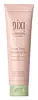
This glycolic acid gel cleanser is formulated around Glycolic Acid to exfoliate and smooth skin.
This mild gel cleanser is made to cleanse while respecting your skin barrier.


What's inside
What's inside
 Key Ingredients
Benefits
Concerns
Ingredients Side-by-side
Water
Skin ConditioningPropanediol
Solvent

Polyglyceryl-4 Caprate
EmulsifyingAllantoin
Skin Conditioning


Panthenol
Skin Conditioning
Nelumbo Nucifera Flower Water
TonicSaccharomyces/Nelumbo Nucifera Ferment Extract Filtrate
Antioxidant


Saponaria Officinalis Extract
Skin ConditioningAloe Barbadensis Leaf Extract
Emollient
Veronica Officinalis Leaf Extract
Skin ConditioningGlycolic Acid
Buffering









Aesculus Hippocastanum Extract
Antioxidant
Actinidia Chinensis Fruit Extract
EmollientAnanas Sativus Fruit Extract
Skin ConditioningBetaine
Humectant
Citrus Aurantium Dulcis Fruit Extract
MaskingCitrus Limon Fruit Extract
Masking
Citrus Paradisi Fruit Extract
Skin ConditioningHamamelis Virginiana Extract
Antiseborrhoeic

Lactobacillus Ferment
Skin Conditioning
Panax Ginseng Root Extract
Emollient
Pyrus Malus Fruit Extract
Skin Conditioning
Tocopherol
Antioxidant
Vitis Vinifera Fruit Extract
Skin ConditioningCarbomer
Emulsion StabilisingPolyglyceryl-10 Laurate
Skin Conditioning
Potassium Hydroxide
BufferingEthylhexylglycerin
Skin Conditioning1,2-Hexanediol
Skin Conditioning
Citrus Aurantium Dulcis Peel Oil
Masking

Pelargonium Graveolens Flower Oil
Masking

Lavandula Hybrida Oil
Emollient
Eucalyptus Globulus Leaf Oil
Perfuming
Juniperus Mexicana Oil
Masking
Limonene
Perfuming
Phenoxyethanol
Preservative
Water, Propanediol, Polyglyceryl-4 Caprate, Allantoin, Panthenol, Nelumbo Nucifera Flower Water, Saccharomyces/Nelumbo Nucifera Ferment Extract Filtrate, Saponaria Officinalis Extract, Aloe Barbadensis Leaf Extract, Veronica Officinalis Leaf Extract, Glycolic Acid, Aesculus Hippocastanum Extract, Actinidia Chinensis Fruit Extract, Ananas Sativus Fruit Extract, Betaine, Citrus Aurantium Dulcis Fruit Extract, Citrus Limon Fruit Extract, Citrus Paradisi Fruit Extract, Hamamelis Virginiana Extract, Lactobacillus Ferment, Panax Ginseng Root Extract, Pyrus Malus Fruit Extract, Tocopherol, Vitis Vinifera Fruit Extract, Carbomer, Polyglyceryl-10 Laurate, Potassium Hydroxide, Ethylhexylglycerin, 1,2-Hexanediol, Citrus Aurantium Dulcis Peel Oil, Pelargonium Graveolens Flower Oil, Lavandula Hybrida Oil, Eucalyptus Globulus Leaf Oil, Juniperus Mexicana Oil, Limonene, Phenoxyethanol
Water
Skin ConditioningCoco-Glucoside
Cleansing
Sodium Lauroyl Sarcosinate
CleansingXanthan Gum
EmulsifyingCeramide AP
Skin Conditioning
Ceramide NP
Skin Conditioning
Ceramide Ns
Skin Conditioning
Ceramide EOP
Skin Conditioning
Rosa Centifolia Flower Water
Skin ConditioningTocopherol
Antioxidant
Sodium Cocoyl Apple Amino Acids
Foam Boosting
Fucus Vesiculosus Extract
Emollient
Sodium Benzoate
Masking
Citric Acid
Buffering
Ceteareth-25
CleansingCetyl Alcohol
Emollient
Behenic Acid
Cleansing
Cholesterol
Emollient
Caprooyl Phytosphingosine
Skin Conditioning
Caprooyl Sphingosine
Skin ConditioningHexylene Glycol
EmulsifyingTetrasodium Glutamate Diacetate
ChelatingPotassium Sorbate
Preservative
Ethylhexylglycerin
Skin ConditioningPhenoxyethanol
Preservative
Ascorbyl Palmitate
Antioxidant
Water, Coco-Glucoside, Sodium Lauroyl Sarcosinate, Xanthan Gum, Ceramide AP, Ceramide NP, Ceramide Ns, Ceramide EOP, Rosa Centifolia Flower Water, Tocopherol, Sodium Cocoyl Apple Amino Acids, Fucus Vesiculosus Extract, Sodium Benzoate, Citric Acid, Ceteareth-25, Cetyl Alcohol, Behenic Acid, Cholesterol, Caprooyl Phytosphingosine, Caprooyl Sphingosine, Hexylene Glycol, Tetrasodium Glutamate Diacetate, Potassium Sorbate, Ethylhexylglycerin, Phenoxyethanol, Ascorbyl Palmitate
Ingredients Explained
These ingredients are found in both products.
Ingredients higher up in an ingredient list are typically present in a larger amount.
Ethylhexylglycerin is created from glycerin. It is a multitasker ingredient that:
The CIR Expert Panel found minimal skin absorption or sensitization of any kind in a safety assessment. Though this ingredient is considered well-tolerated, a small number of cases of allergic dermatitis have been published since 2002. Just be sure to patch test if you are unsure.
Industry-reported use ranges from 8% in rinse-off products and 2% in leave-on formulations.
Learn more about EthylhexylglycerinPhenoxyethanol is one of the most widely used preservatives in skincare (and for good reason!).
It has a large spectrum of antimicrobial activity and especially effective bacteria, yeast, and mold while only having a weak effect on your skin's natural microbiome.
On a cellular level, it disrupts the cell membranes of microbes by poking holes that make the cell leak. This shuts down the chemical reactions the microbe needs to make energy so it can no longer survive.
Another perk of this ingredient is that it stays functional across a wide pH range (3-10).
You'll often see it paired with boosters like Ethylhexylglycerin; one study showed that a 1:9 ratio of Ethylhexylglycerin to Phenoxyethanol damages bacterial membranes as effectively as doubling the Phenoxyethanol concentration on its own.
Typical use concentrations range from 0.3-1% depending on the formula, and this ingredient is capped at 1% int the EU.
Safety-wise, the fear mongering does not hold up to the evidence. The EU's Scientific Committee on Consumer Safety and FDA consider it safe as a preservative at up to 1%, including for children of all ages.
Adverse systemic effects only showed up in animal studies at exposures roughly 200x higher than what people get from cosmetics. And despite its very widespread use, this ingredient is a rare sensitizer and allergic reactions are uncommon.
Learn more about PhenoxyethanolTocopherol is a fat-soluble antioxidant known as Vitamin E.
You'll find this ingredient in the vast majority of skincare (for good reason). It works to neutralize free radicals, or unstable molecules generated by UV exposure, pollution, and other environmental stressors, before they can cause oxidative damage to your skin cells.
Topically applied tocopherol has been shown to protect against UV damage by ramping up the skin's own natural defense enzymes.
It also acts as a skin conditioning agent; some studies show that regular topical use can improve the skin's water-binding capacity over 2-4 weeks.
This ingredient is especially loved for being a team player. When combined with Vitamin C, the photoprotective effect of both ingredients roughly doubles and the combo also helps reduce UV-induced DNA damage.
This ingredient has some brightening potential but it's more of a prevention ingredient than spot-fader. Cell studies show it can slow down melanin production but it's worth noting that it's not the most powerful brightener out there.
In formulations, it also serves as a stabilizer that helps protect other oxidation-prone ingredients from degrading.
Concentrations usually range from 0.1-1% in most leave-on products.
Learn more about TocopherolWater. It's the most common cosmetic ingredient of all. You'll usually see it at the top of ingredient lists, meaning that it makes up the largest part of the product.
So why is it so popular? Water most often acts as a solvent - this means that it helps dissolve other ingredients into the formulation.
You'll also recognize water as that liquid we all need to stay alive. If you see this, drink a glass of water. Remember to stay hydrated!
Learn more about Water

