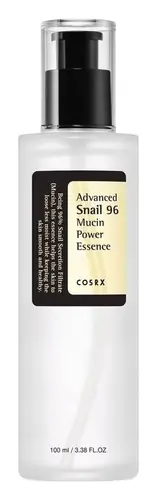


What's inside
What's inside
 Key Ingredients
Benefits
Concerns
No concerns
Ingredients Side-by-side
Water
Skin ConditioningButylene Glycol
Humectant

Glycerin
Humectant
Bis-PEG-18 Methyl Ether Dimethyl Silane
EmollientAluminum Starch Octenylsuccinate
Absorbent
Sodium Polyacrylate
Absorbent
Bambusa Arundinacea Stem Extract
Skin ConditioningPolysorbate 80
Emulsifying

Phenoxyethanol
Preservative
Polymethylsilsesquioxane

Tocopheryl Acetate
Antioxidant


Panthenol
Skin Conditioning

Salvia Hispanica Seed Extract
Emollient
Disodium EDTA
Parfum
Masking



Linalool
Perfuming
Ascorbyl Glucoside
Antioxidant

PEG-8
HumectantLactobacillus Ferment
Skin Conditioning
Tocopherol
Antioxidant
Sodium Hyaluronate
Humectant
Lecithin
Emollient
Alcohol Denat.
Antimicrobial

Geraniol
Perfuming
Pantolactone
Humectant
BHT
Antioxidant
Ascorbyl Palmitate
Antioxidant
Citronellol
Perfuming
Camellia Sinensis Leaf Extract
Antimicrobial
Coffea Arabica Seed Extract
Masking
Pongamia Pinnata Seed Extract
Skin ConditioningBenzyl Benzoate
Antimicrobial
Limonene
Perfuming
Angelica Archangelica Root Extract
Masking
Citrus Aurantium Amara Peel Extract
MaskingMaltodextrin
Absorbent
Citric Acid
Buffering
Magnesium Aluminum Silicate
Absorbent
Xanthan Gum
EmulsifyingAscorbic Acid
Antioxidant
Caprylyl Glycol
Emollient
Sclerotium Gum
Emulsion StabilisingSorbic Acid
Preservative
Adenosine Phosphate
Skin ConditioningCI 19140
Cosmetic ColorantCI 15985
Cosmetic ColorantWater, Butylene Glycol, Glycerin, Bis-PEG-18 Methyl Ether Dimethyl Silane, Aluminum Starch Octenylsuccinate, Sodium Polyacrylate, Bambusa Arundinacea Stem Extract, Polysorbate 80, Phenoxyethanol, Polymethylsilsesquioxane, Tocopheryl Acetate, Panthenol, Salvia Hispanica Seed Extract, Disodium EDTA, Parfum, Linalool, Ascorbyl Glucoside, PEG-8, Lactobacillus Ferment, Tocopherol, Sodium Hyaluronate, Lecithin, Alcohol Denat., Geraniol, Pantolactone, BHT, Ascorbyl Palmitate, Citronellol, Camellia Sinensis Leaf Extract, Coffea Arabica Seed Extract, Pongamia Pinnata Seed Extract, Benzyl Benzoate, Limonene, Angelica Archangelica Root Extract, Citrus Aurantium Amara Peel Extract, Maltodextrin, Citric Acid, Magnesium Aluminum Silicate, Xanthan Gum, Ascorbic Acid, Caprylyl Glycol, Sclerotium Gum, Sorbic Acid, Adenosine Phosphate, CI 19140, CI 15985

Reviews
Ingredients Explained
These ingredients are found in both products.
Ingredients higher up in an ingredient list are typically present in a larger amount.
Butylene Glycol (or BG) is used within cosmetic products for a few different reasons:
Overall, Butylene Glycol is a safe and well-rounded ingredient that works well with other ingredients.
Though this ingredient works well with most skin types, some people with sensitive skin may experience a reaction such as allergic rashes, closed comedones, or itchiness.
Learn more about Butylene GlycolPanthenol is a common ingredient that helps hydrate and soothe the skin. It is found naturally in our skin and hair.
There are two forms of panthenol: D and L.
D-panthenol is also known as dexpanthenol. Most cosmetics use dexpanthenol or a mixture of D and L-panthenol.
Panthenol is famous due to its ability to go deeper into the skin's layers. Using this ingredient has numerous pros (and no cons):
Like hyaluronic acid, panthenol is a humectant. Humectants are able to bind and hold large amounts of water to keep skin hydrated.
This ingredient works well for wound healing. It works by increasing tissue in the wound and helps close open wounds.
Once oxidized, panthenol converts to pantothenic acid. Panthothenic acid is found in all living cells.
This ingredient is also referred to as pro-vitamin B5.
Learn more about PanthenolPhenoxyethanol is one of the most widely used preservatives in skincare (and for good reason!).
It has a large spectrum of antimicrobial activity and especially effective bacteria, yeast, and mold while only having a weak effect on your skin's natural microbiome.
On a cellular level, it disrupts the cell membranes of microbes by poking holes that make the cell leak. This shuts down the chemical reactions the microbe needs to make energy so it can no longer survive.
Another perk of this ingredient is that it stays functional across a wide pH range (3-10).
You'll often see it paired with boosters like Ethylhexylglycerin; one study showed that a 1:9 ratio of Ethylhexylglycerin to Phenoxyethanol damages bacterial membranes as effectively as doubling the Phenoxyethanol concentration on its own.
Typical use concentrations range from 0.3-1% depending on the formula, and this ingredient is capped at 1% int the EU.
Safety-wise, the fear mongering does not hold up to the evidence. The EU's Scientific Committee on Consumer Safety and FDA consider it safe as a preservative at up to 1%, including for children of all ages.
Adverse systemic effects only showed up in animal studies at exposures roughly 200x higher than what people get from cosmetics. And despite its very widespread use, this ingredient is a rare sensitizer and allergic reactions are uncommon.
Learn more about PhenoxyethanolSodium Hyaluronate is the salt form of hyaluronic acid. It is a long sugar chain that is naturally found in your skin, joints, and connective tissue that maintains hydration and elasticity.
In skincare, it works as a humectant. It pulls water from the environment and deeper layers of skin and binds it to the surface.
Interestingly, the size of the molecule affects its behavior:
Some clinical evidence links low molecular weight versions to improved wrinkle depth, elasticity, anti-inflammatory effects, and barrier repair.
Many serums use a blend of both weights so you can get surface hydration plus longer-lasting and deeper effects.
You'll typically see concentrations between 0.1-2% for this ingredient.
Learn more about Sodium HyaluronateSodium Polyacrylate is the sodium salt of polyacrylic acid. It is used as an absorber, emollient, and stabilizer.
This ingredient is a super-absorbent polymer - meaning it can absorb 100 to 1000 times its mass in water. As an emollient, Sodium Polyacrylate helps soften and soothe skin. Emollients work by creating a barrier to trap moisture in. This helps keep your skin hydrated.
Water. It's the most common cosmetic ingredient of all. You'll usually see it at the top of ingredient lists, meaning that it makes up the largest part of the product.
So why is it so popular? Water most often acts as a solvent - this means that it helps dissolve other ingredients into the formulation.
You'll also recognize water as that liquid we all need to stay alive. If you see this, drink a glass of water. Remember to stay hydrated!
Learn more about Water

