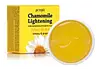
This calming eye mask is formulated around Scutellaria Baicalensis Root Extract and Camellia Sinensis Leaf Extract to calm redness and hydrate skin.
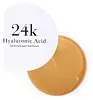
This hydrating eye mask is formulated around Sodium Hyaluronate and Niacinamide to hydrate skin and soften the look of wrinkles.

What's inside
What's inside
 Key Ingredients
Benefits
Concerns
Ingredients Side-by-side
Water
Skin ConditioningGlycerin
Humectant


Calcium Chloride
AstringentCeratonia Siliqua Gum
EmollientXanthan Gum
EmulsifyingMethylpropanediol
SolventEthyl Hexanediol
SolventCitrus Grandis Seed Extract
Astringent
Bambusa Textilis Stem Extract
Skin ConditioningPinus Palustris Leaf Extract
TonicPEG-60 Hydrogenated Castor Oil
Emulsifying


Phenoxyethanol
Preservative
Chondrus Crispus Powder
Abrasive


Scutellaria Baicalensis Root Extract
Astringent
Camellia Sinensis Leaf Extract
Antimicrobial





Houttuynia Cordata Extract
Skin Conditioning
Artemisia Princeps Leaf Extract
Skin Conditioning1,2-Hexanediol
Skin Conditioning
Caprylyl Glycol
Emollient
Chlorphenesin
Antimicrobial
Ethylhexylglycerin
Skin ConditioningHippophae Rhamnoides Oil
Emollient
Butyrospermum Parkii Butter
Skin Conditioning
Citrus Junos Fruit Extract
Skin ConditioningTagetes Erecta Flower Extract
Perfuming
Lavandula Angustifolia Extract
Skin Conditioning

Monarda Didyma Leaf Extract
Skin ConditioningMentha Piperita Leaf Extract
Skin ConditioningFreesia Refracta Extract
Skin ConditioningChamomilla Recutita Flower Extract
Masking
Rosmarinus Officinalis Leaf Extract
AntimicrobialCucurbita Pepo Fruit Extract
Skin Conditioning
Hydroxyethylcellulose
Emulsion StabilisingDisodium EDTA
ChelatingMalt Extract
Skin ProtectingParfum
Masking
Citronellol
Perfuming
Water, Glycerin, Calcium Chloride, Ceratonia Siliqua Gum, Xanthan Gum, Methylpropanediol, Ethyl Hexanediol, Citrus Grandis Seed Extract, Bambusa Textilis Stem Extract, Pinus Palustris Leaf Extract, PEG-60 Hydrogenated Castor Oil, Phenoxyethanol, Chondrus Crispus Powder, Scutellaria Baicalensis Root Extract, Camellia Sinensis Leaf Extract, Houttuynia Cordata Extract, Artemisia Princeps Leaf Extract, 1,2-Hexanediol, Caprylyl Glycol, Chlorphenesin, Ethylhexylglycerin, Hippophae Rhamnoides Oil, Butyrospermum Parkii Butter, Citrus Junos Fruit Extract, Tagetes Erecta Flower Extract, Lavandula Angustifolia Extract, Monarda Didyma Leaf Extract, Mentha Piperita Leaf Extract, Freesia Refracta Extract, Chamomilla Recutita Flower Extract, Rosmarinus Officinalis Leaf Extract, Cucurbita Pepo Fruit Extract, Hydroxyethylcellulose, Disodium EDTA, Malt Extract, Parfum, Citronellol
Water
Skin ConditioningGlycerin
Humectant
Dipropylene Glycol
HumectantChondrus Crispus Powder
Abrasive
Ceratonia Siliqua Gum
EmollientPhenoxyethanol
Preservative
PEG-60 Hydrogenated Castor Oil
Emulsifying
Xanthan Gum
EmulsifyingPanthenol
Skin Conditioning
Allantoin
Skin Conditioning
Chlorphenesin
Antimicrobial
Tocopheryl Acetate
Antioxidant
Niacinamide
Smoothing



Dipotassium Glycyrrhizate
Humectant
Disodium EDTA
ChelatingSynthetic Fluorphlogopite
Butylene Glycol
Humectant
Adenosine
Skin Conditioning
Parfum
Masking
CI 77891
Cosmetic Colorant1,2-Hexanediol
Skin Conditioning
Sodium Hyaluronate
Humectant
CI 77491
Cosmetic ColorantTin Oxide
Abrasive
Hydroxypropyltrimonium Hyaluronate
Hydrolyzed Collagen
Emollient
Gold
Cosmetic ColorantSodium Acetylated Hyaluronate
Humectant
Hydrolyzed Hyaluronic Acid
Humectant
Hyaluronic Acid
Humectant
Sodium Hyaluronate Crosspolymer
Humectant
Hydrolyzed Sodium Hyaluronate
Skin Conditioning
Potassium Hyaluronate
Skin ConditioningWater, Glycerin, Dipropylene Glycol, Chondrus Crispus Powder, Ceratonia Siliqua Gum, Phenoxyethanol, PEG-60 Hydrogenated Castor Oil, Xanthan Gum, Panthenol, Allantoin, Chlorphenesin, Tocopheryl Acetate, Niacinamide, Dipotassium Glycyrrhizate, Disodium EDTA, Synthetic Fluorphlogopite, Butylene Glycol, Adenosine, Parfum, CI 77891, 1,2-Hexanediol, Sodium Hyaluronate, CI 77491, Tin Oxide, Hydroxypropyltrimonium Hyaluronate, Hydrolyzed Collagen, Gold, Sodium Acetylated Hyaluronate, Hydrolyzed Hyaluronic Acid, Hyaluronic Acid, Sodium Hyaluronate Crosspolymer, Hydrolyzed Sodium Hyaluronate, Potassium Hyaluronate
Ingredients Explained
These ingredients are found in both products.
Ingredients higher up in an ingredient list are typically present in a larger amount.
1,2-Hexanediol is a synthetic liquid and another multi-functional powerhouse.
It is a:
- Humectant, drawing moisture into the skin
- Emollient, helping to soften skin
- Solvent, dispersing and stabilizing formulas
- Preservative booster, enhancing the antimicrobial activity of other preservatives
Ceratonia Siliqua Gum is extracted from the seeds of the carob tree. You might know this ingredient as Carob Gum or Locust Bean Gum. It is used to stabilize other ingredients and improve the texture of products.
Carob gum is made up of long-chain polysaccharides. This makes it a natural thickener.
Yes! This ingredient comes from the seeds of a tree. The name 'Locust Bean Gum' can be misleading.
Learn more about Ceratonia Siliqua GumChlorphenesin is a synthetic preservative. It helps protect a product against bacteria in order to extend shelf life. In most cases, Chlorphenesin is paired with other preservatives such as phenoxyethanol and caprylyl glycol.
Chlorphenesin is a biocide. This means it is able to help fight the microorganisms on our skin. It is also able to fight odor-releasing bacteria.
Chlorphenesin is soluble in both water and glycerin.
Studies show Chlorphenesin is easily absorbed by our skin. You should speak with a skincare professional if you have concerns about using Chlorphenesin.
Learn more about ChlorphenesinChondrus Crispus Powder is just Irish moss, a red seaweed harvested, dried, and ground into a fine powder. Because it's the whole plant rather than a liquid extract, it has an official INCI job as an "abrasive".
This ingredient also happens to be loaded with carrageenan, a sugar-based polysaccharide, that allows it to double as a thickener and light hydrator.
Real world concentration is low; industry surveys report a maximum of 0.1% across 63 leave-on products.
The Cosmetic Ingredient Review Expert Panel reviewed it in 2021 and concluded it's safe at current use levels and every human sensitization study on it came back negative.
Allergy risk is very low with no documented pattern of reactions but anyone with a known seaweed or iodine sensitivity may want to patch test since dried Chondrus crispus does carry a small amount of natural iodine.
Learn more about Chondrus Crispus PowderDisodium EDTA is a chelating agent. It grabs onto and deactivates metal ions that sneak into your products from water, packaging, or air.
This ingredient mainly works behind the scenes and helps with:
On top of that, this ingredient can counteract the effects of hard water by binding to the minerals in it.
One thing worth knowing is that Disodium EDTA has been shown to be a mild penetration enhancer. It can help other ingredients absorb into skin more effectively which can be a double-edged sword (great for actives, but can also make the active too strong if you have sensitive skin).
Clinical patch testing showed no significant skin irritation at typical use concentrations and minimal dermal absorption.
You'll most likely see this ingredient near the end of an ingredient list. It's typically found in concentrations less than 1%.
Learn more about Disodium EDTAGlycerin (or glycerol) is a compound naturally found in your skin. It's a powerhouse humectant that pulls water into the stratum corneum.
Topically, glycerin does several things at once:
Your skin makes glycerin on its own (mostly from sebaceous oil breakdown) and shuttles it to your outermost layer of skin, or your epidermis, via aquaporin-3.
Aquaporin-3 is a transporter that is essential for normal skin hydration, elasticity, and repair. Interestingly, mice lacking in AQP3 have dry and less elastic skin that can be fully corrected with glycerin.
This ingredient is non-irritating, plays well with almost every ingredient, and works across all skin types. Typical use is anywhere between 3-10% but can go up to 79% in some leave-on products.
Just know very high concentrations (>40%) can feel tacky in low humidity.
Glycerin is the name for this ingredient in American English. British English uses Glycerol/Glycerine.
Learn more about GlycerinParfum is a catch-all term for an ingredient or more that is used to give a scent to products.
Also called "fragrance", this ingredient can be a blend of hundreds of chemicals or plant oils. This means every product with "fragrance" or "parfum" in the ingredients list is a different mixture.
For instance, Habanolide is a proprietary trade name for a specific aroma chemical. When used as a fragrance ingredient in cosmetics, most aroma chemicals fall under the broad labeling category of “FRAGRANCE” or “PARFUM” according to EU and US regulations.
The term 'parfum' or 'fragrance' is not regulated in many countries. In many cases, it is up to the brand to define this term.
For instance, many brands choose to label themselves as "fragrance-free" because they are not using synthetic fragrances. However, their products may still contain ingredients such as essential oils that are considered a fragrance by INCI standards.
One example is Calendula flower extract. Calendula is an essential oil that still imparts a scent or 'fragrance'.
Depending on the blend, the ingredients in the mixture can cause allergies and sensitivities on the skin. Some ingredients that are known EU allergens include linalool and citronellol.
Parfum can also be used to mask or cover an unpleasant scent.
The bottom line is: not all fragrances/parfum/ingredients are created equally. If you are worried about fragrances, we recommend taking a closer look at an ingredient. And of course, we always recommend speaking with a professional.
Learn more about ParfumPeg-60 Hydrogenated Castor Oil comes from hydrogenated castor oil. It is a solubilizer and emulsifier.
As a solubilizer, it helps dissolve ingredients into a water-based version. It is also an emulsifer. Emulsifier help prevent oils and water from separating. Both these properties help create evenly-spread and uniform products.
Basically, Peg-60 Hydrogenated Castor Oil helps hold ingredients together.
Learn more about PEG-60 Hydrogenated Castor OilPhenoxyethanol is one of the most widely used preservatives in skincare (and for good reason!).
It has a large spectrum of antimicrobial activity and especially effective bacteria, yeast, and mold while only having a weak effect on your skin's natural microbiome.
On a cellular level, it disrupts the cell membranes of microbes by poking holes that make the cell leak. This shuts down the chemical reactions the microbe needs to make energy so it can no longer survive.
Another perk of this ingredient is that it stays functional across a wide pH range (3-10).
You'll often see it paired with boosters like Ethylhexylglycerin; one study showed that a 1:9 ratio of Ethylhexylglycerin to Phenoxyethanol damages bacterial membranes as effectively as doubling the Phenoxyethanol concentration on its own.
Typical use concentrations range from 0.3-1% depending on the formula, and this ingredient is capped at 1% int the EU.
Safety-wise, the fear mongering does not hold up to the evidence. The EU's Scientific Committee on Consumer Safety and FDA consider it safe as a preservative at up to 1%, including for children of all ages.
Adverse systemic effects only showed up in animal studies at exposures roughly 200x higher than what people get from cosmetics. And despite its very widespread use, this ingredient is a rare sensitizer and allergic reactions are uncommon.
Learn more about PhenoxyethanolWater. It's the most common cosmetic ingredient of all. You'll usually see it at the top of ingredient lists, meaning that it makes up the largest part of the product.
So why is it so popular? Water most often acts as a solvent - this means that it helps dissolve other ingredients into the formulation.
You'll also recognize water as that liquid we all need to stay alive. If you see this, drink a glass of water. Remember to stay hydrated!
Learn more about WaterXanthan gum is used as a stabilizer and thickener within cosmetic products. It helps give products a sticky, thick feeling - preventing them from being too runny.
On the technical side of things, xanthan gum is a polysaccharide - a combination consisting of multiple sugar molecules bonded together.
Xanthan gum is a pretty common and great ingredient. It is a natural, non-toxic, non-irritating ingredient that is also commonly used in food products.
Learn more about Xanthan Gum

