Patrick Ta Major Beauty Headlines - Double-Take Crème & Powder Blush Versus Patrick Ta Major Glow Nourishing Bronzing Body Oil

What's inside
What's inside
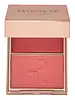 Key Ingredients
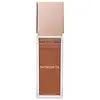
Benefits
Concerns
Ingredients Side-by-side
Synthetic Fluorphlogopite
Mica
Cosmetic ColorantMagnesium Myristate


Octyldodecyl Stearoyl Stearate
Emollient

Silica
Abrasive


Glyceryl Triacetyl Ricinoleate
Emollient
Nylon-12

PEG-12 Dimethicone
Skin Conditioning
Caprylic/Capric Triglyceride
Masking


Tocopheryl Acetate
Antioxidant


Caprylyl Glycol
Emollient
Polyhydroxystearic Acid
Emulsifying
Hexylene Glycol
EmulsifyingHydrogenated Phosphatidylcholine
Emulsifying
Trimyristin
Skin Conditioning
Triethoxycaprylylsilane
Phenoxyethanol
Preservative
Potassium Sorbate
Preservative
Tin Oxide
Abrasive
CI 77891
Cosmetic ColorantCI 15850
Cosmetic ColorantCI 77492
Cosmetic ColorantCI 77163
Cosmetic Colorant
CI 19140
Cosmetic ColorantCI 73360
Cosmetic ColorantCI 45410
Cosmetic ColorantPhenyl Trimethicone
Skin Conditioning
PPG-3 Benzyl Ether Myristate
EmollientEthylhexyl Stearate
Emollient
Dipentaerythrityl Hexahydroxystearate/Hexastearate/Hexarosinate
Skin ConditioningTriisostearyl Citrate
EmollientDiisostearyl Malate
EmollientPolyethylene
Abrasive
Polybutene
Vinyl Dimethicone/Methicone Silsesquioxane Crosspolymer
Disteardimonium Hectorite
StabilisingOctyldodecanol
Emollient
Pentaerythrityl Tetra-Di-T-Butyl Hydroxyhydrocinnamate
Antioxidant
Propylene Carbonate
SolventFarnesol
Perfuming


Linalool
Perfuming
CI 77491
Cosmetic ColorantSynthetic Fluorphlogopite, Mica, Magnesium Myristate, Octyldodecyl Stearoyl Stearate, Silica, Glyceryl Triacetyl Ricinoleate, Nylon-12, PEG-12 Dimethicone, Caprylic/Capric Triglyceride, Tocopheryl Acetate, Caprylyl Glycol, Polyhydroxystearic Acid, Hexylene Glycol, Hydrogenated Phosphatidylcholine, Trimyristin, Triethoxycaprylylsilane, Phenoxyethanol, Potassium Sorbate, Tin Oxide, CI 77891, CI 15850, CI 77492, CI 77163, CI 19140, CI 73360, CI 45410, Phenyl Trimethicone, PPG-3 Benzyl Ether Myristate, Ethylhexyl Stearate, Dipentaerythrityl Hexahydroxystearate/Hexastearate/Hexarosinate, Triisostearyl Citrate, Diisostearyl Malate, Polyethylene, Polybutene, Vinyl Dimethicone/Methicone Silsesquioxane Crosspolymer, Disteardimonium Hectorite, Octyldodecanol, Pentaerythrityl Tetra-Di-T-Butyl Hydroxyhydrocinnamate, Propylene Carbonate, Farnesol, Linalool, CI 77491
Paraffinum Liquidum
Emollient
Caprylic/Capric Triglyceride
Masking
Silica Dimethyl Silylate
EmollientParfum
Masking
Ethylene/Propylene/Styrene Copolymer
Trimethylsiloxysilicate
Emollient
Butyrospermum Parkii Butter
Skin Conditioning
Mica
Cosmetic ColorantTrihydroxystearin
Skin Conditioning
Oryza Sativa Bran Extract
Skin Conditioning
Bisabolol
Antioxidant


Ethylhexyl Olivate
Skin Conditioning
Calcium Sodium Borosilicate
Helianthus Annuus Extract
Emollient
Theobroma Grandiflorum Seed Butter
Skin Conditioning
Euterpe Oleracea Fruit Oil
Skin Conditioning
Tocopherol
Antioxidant

Rosmarinus Officinalis Extract
AntimicrobialButylene/Ethylene/Styrene Copolymer
Squalane
Emollient
Tin Oxide
Abrasive
BHT
Antioxidant
Alpha-Isomethyl Ionone
Perfuming
Benzyl Salicylate
Perfuming
Citral
Perfuming
Coumarin
Perfuming
Limonene
Perfuming
Linalool
Perfuming
Iron Oxides
CI 77891
Cosmetic ColorantParaffinum Liquidum, Caprylic/Capric Triglyceride, Silica Dimethyl Silylate, Parfum, Ethylene/Propylene/Styrene Copolymer, Trimethylsiloxysilicate, Butyrospermum Parkii Butter, Mica, Trihydroxystearin, Oryza Sativa Bran Extract, Bisabolol, Ethylhexyl Olivate, Calcium Sodium Borosilicate, Helianthus Annuus Extract, Theobroma Grandiflorum Seed Butter, Euterpe Oleracea Fruit Oil, Tocopherol, Rosmarinus Officinalis Extract, Butylene/Ethylene/Styrene Copolymer, Squalane, Tin Oxide, BHT, Alpha-Isomethyl Ionone, Benzyl Salicylate, Citral, Coumarin, Limonene, Linalool, Iron Oxides, CI 77891
Ingredients Explained
These ingredients are found in both products.
Ingredients higher up in an ingredient list are typically present in a larger amount.
Caprylic/Capric Triglyceride (aka MCT Oil) is a lightweight emollient, solvent, and texture enhancer. It is considered a skin-softener by helping to prevent moisture loss.
Though it behaves like an oil, it is not technically one due to its chemical composition. One perk of this ingredient is that it is very stable, resistant to oxidation, and unlikely to go rancid.
In practice, that translates to a long shelf life and a consistently elegant skin feel.
While there is an assumption Caprylic Triglyceride can clog pores due to it being derived from coconut oil, there is no research supporting this. Just patch test if you have concerns.
Fractionated coconut oil and MCT Oil are both listed as Caprylic/Capric Triglyceride according to INCI. This is because INCI names are based on the ingredient’s final chemical composition and not its marketing name or source.
This ingredient is treated as the gold standard fungal acne safe oil. Even though it is coconut derived, the problematic lauric acid is stripped out.
This leaves just caprylic (C8) and capric (C10) acid. These chain lengths actually trend antifungal; a 2020 study found caprylic acid was enough to disrupt Malassezia furfur cell membrane, with a caprylic acid derivative damaging membrane structures at concentrations as low as 0.2%.
Learn more about Caprylic/Capric TriglycerideCi 77891 is a white pigment from Titanium dioxide. It is naturally found in minerals such as rutile and ilmenite.
It's main function is to add a white color to cosmetics. It can also be mixed with other colors to create different shades.
Ci 77891 is commonly found in sunscreens due to its ability to block UV rays.
Learn more about CI 77891Linalool is a small, naturally occurring scent molecule found in plants like lavender, coriander, bergamot, and more.
It is one of the two most-used fragrance ingredients in cosmetics and added purely for smell. Since it's not used for a skin benefit, there's no "effective dose". Concentration depends on the fragrance load of the product.
The EU requires it to be named on the label above 0.001% in leave-on and 0.01% in rinse-off products.
Fresh linalool is a weak sensitizer but air exposure turns some of it into hydroperoxides, which are strong sensitizers. Those oxidation products are the actual allergy concern.
Patch-test clinics see positive reactions to linalool hydroperoxides in about 4% to 12% of dermatitis patients depending on country and test concentration.
Resassuringly, one analytical study found hydroperoxide levels in real fragranced products to be orders of magnitude below what induced sensitization in animal studies with no evidence of oxidation building up during normal storage.
The practical takeaway is that linalool is fine for most people but worth avoiding if you have a confirmed fragrance contact allergy or a badly compromised barrier.
Products stored a long time after opening are also the high-risk scenario since that is when oxidation happens.
The scent of linalool is described as floral, spicy tropical, and citrus-like.
Learn more about LinaloolMica is a naturally occurring mineral used to add shimmer and color in cosmetics. It can also help improve the texture of a product or give it an opaque, white/silver color.
Serecite is the name for very fine but ragged grains of mica.
This ingredient is often coated with metal oxides like titanium dioxide. Trace amounts of heavy metals may be found in mica, but these metals are not harmful in our personal products.
Mica has been used since prehistoric times throughout the world. Ancient Egyptian, Indian, Greek, Roman, Aztec, and Chinese civilizations have used mica.
Learn more about MicaTin Oxide is an inorganic oxide used to add opacity and volume to a product. In nature, it is already found in mineral form. The main ore of tin is an opaque and shiny mineral called casseterite.
Tin Oxide helps remove translucency in a product, or make it more opaque. Besides adding opacity, tin oxide is used for bulking to add volume.


