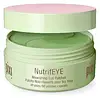
This hydrating eye mask is formulated around Panthenol and Centella Asiatica Extract to hydrate skin and soften the look of wrinkles.
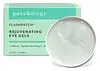
This hydrating eye mask is formulated around Chamomilla Recutita Flower Extract and Dipotassium Glycyrrhizate to hydrate skin and calm redness.

What's inside
What's inside
 Key Ingredients
Benefits
Concerns
Ingredients Side-by-side
Water
Skin ConditioningGlycerin
Humectant


Dipropylene Glycol
HumectantCeratonia Siliqua Gum
EmollientChondrus Crispus Powder
Abrasive


Butylene Glycol
Humectant
Chondrus Crispus Extract
Skin Conditioning
Panthenol
Skin Conditioning
Centella Asiatica Extract
Cleansing

Paeonia Suffruticosa Root Extract
Skin ProtectingChamomilla Recutita Flower Extract
Masking
Portulaca Oleracea Extract
Skin Conditioning
Caffeine
Skin Conditioning
Hydrolyzed Collagen
Emollient
Cocos Nucifera Fruit Extract
Emollient
Sodium Hyaluronate
Humectant
Aloe Barbadensis Leaf Extract
Emollient
Lonicera Japonica Flower Extract
Skin ConditioningCalendula Officinalis Extract
Skin Conditioning
Lavandula Angustifolia Extract
Skin Conditioning

Syringa Vulgaris Extract
Skin ConditioningRosmarinus Officinalis Extract
AntimicrobialMentha Arvensis Leaf Extract
MaskingMonarda Didyma Leaf Extract
Skin ConditioningJasminum Officinale Extract
Masking
Freesia Refracta Extract
Skin ConditioningAcetyl Tetrapeptide-5
Humectant
Trideceth-6
EmulsifyingBetaine
Humectant
1,2-Hexanediol
Skin Conditioning
Cellulose Gum
Emulsion StabilisingXanthan Gum
EmulsifyingGlyceryl Caprylate
EmollientPotassium Chloride
Sodium Polyacrylate
Absorbent
Sucrose
Humectant
Ethylhexylglycerin
Skin ConditioningSynthetic Fluorphlogopite
Polysorbate 20
Emulsifying

Hydrogenated Polydecene
EmollientDipotassium Glycyrrhizate
Humectant
Allantoin
Skin Conditioning
Pantolactone
Humectant
Polyglutamic Acid
Skin Conditioning
Acetyl Glucosamine
Skin Conditioning

Urea
Buffering
Yeast Amino Acids
HumectantTrehalose
Humectant
Inositol
Humectant
Taurine
BufferingPotassium Sorbate
Preservative
Glutathione
Disodium EDTA
ChelatingPhenoxyethanol
Preservative
CI 77891
Cosmetic ColorantMica
Cosmetic ColorantParfum
Masking

Water, Glycerin, Dipropylene Glycol, Ceratonia Siliqua Gum, Chondrus Crispus Powder, Butylene Glycol, Chondrus Crispus Extract, Panthenol, Centella Asiatica Extract, Paeonia Suffruticosa Root Extract, Chamomilla Recutita Flower Extract, Portulaca Oleracea Extract, Caffeine, Hydrolyzed Collagen, Cocos Nucifera Fruit Extract, Sodium Hyaluronate, Aloe Barbadensis Leaf Extract, Lonicera Japonica Flower Extract, Calendula Officinalis Extract, Lavandula Angustifolia Extract, Syringa Vulgaris Extract, Rosmarinus Officinalis Extract, Mentha Arvensis Leaf Extract, Monarda Didyma Leaf Extract, Jasminum Officinale Extract, Freesia Refracta Extract, Acetyl Tetrapeptide-5, Trideceth-6, Betaine, 1,2-Hexanediol, Cellulose Gum, Xanthan Gum, Glyceryl Caprylate, Potassium Chloride, Sodium Polyacrylate, Sucrose, Ethylhexylglycerin, Synthetic Fluorphlogopite, Polysorbate 20, Hydrogenated Polydecene, Dipotassium Glycyrrhizate, Allantoin, Pantolactone, Polyglutamic Acid, Acetyl Glucosamine, Urea, Yeast Amino Acids, Trehalose, Inositol, Taurine, Potassium Sorbate, Glutathione, Disodium EDTA, Phenoxyethanol, CI 77891, Mica, Parfum
Water
Skin ConditioningGlycerin
Humectant
Chondrus Crispus
Masking
Glucomannan
Skin ConditioningChamomilla Recutita Flower Extract
Masking
Aloe Barbadensis Leaf Water
MaskingRosa Damascena Flower Water
Masking
Sodium Hyaluronate
Humectant
Dipotassium Glycyrrhizate
Humectant
Allantoin
Skin Conditioning
Erythritol
Humectant
Hydroxypropyl Methylcellulose
Emulsion StabilisingXanthan Gum
EmulsifyingPotassium Chloride
Propanediol
Solvent
Hydroxyacetophenone
Antioxidant
1,2-Hexanediol
Skin Conditioning
Hydroxyethylcellulose
Emulsion StabilisingSynthetic Fluorphlogopite
Phenoxyethanol
Preservative
CI 77891
Cosmetic ColorantCI 77288
Cosmetic ColorantWater, Glycerin, Chondrus Crispus, Glucomannan, Chamomilla Recutita Flower Extract, Aloe Barbadensis Leaf Water, Rosa Damascena Flower Water, Sodium Hyaluronate, Dipotassium Glycyrrhizate, Allantoin, Erythritol, Hydroxypropyl Methylcellulose, Xanthan Gum, Potassium Chloride, Propanediol, Hydroxyacetophenone, 1,2-Hexanediol, Hydroxyethylcellulose, Synthetic Fluorphlogopite, Phenoxyethanol, CI 77891, CI 77288
Ingredients Explained
These ingredients are found in both products.
Ingredients higher up in an ingredient list are typically present in a larger amount.
1,2-Hexanediol is a synthetic liquid and another multi-functional powerhouse.
It is a:
- Humectant, drawing moisture into the skin
- Emollient, helping to soften skin
- Solvent, dispersing and stabilizing formulas
- Preservative booster, enhancing the antimicrobial activity of other preservatives
Allantoin is a soothing ingredient known for its protective and moisturizing properties; it's basically a quiet workhorse ingredient you can find in a huge range of cosmetics.
Though it can be derived from the comfrey plant, allantoin is produced synthetically for cosmetic products to ensure purity.
Research shows it can encourage your skin cells to turn over and renew by stimulating keratinocyte and fibroblast proliferation.
It also has mild keratolytic properties to help loosen and shed dead skin cells without being harsh.
Studies also suggest allantoin can help calm inflammation by dialing down some of the chemical signals your skin sends out when it is irritated.
This ingredient is typically used in the 0.1-0.5% range, and the FDA recognizes it as a skin protectant in OTC products up to 2%.
Overall, allantoin is a wonderful addition to most routines; it is stable across a wide pH range (~4-8), works well with other ingredients, and is considered non-sensitizing/non-irritating.
Fun fact: Allantoin is naturally occurring in comfrey root, beets, chamomile, and wheat sprouts. Our bodies even produce it as a byproduct of uric acid metabolism.
Learn more about AllantoinChamomilla Recutita Flower Extract comes from the Chamomile flower.
Chamomile is rich in antioxidants and has anti-inflammatory properties. Several compounds found in chamomile help with soothing, such as bisbolol.
Antioxidant components in chamomile make it an effective ingredient to help slow the signs of aging. Antioxidants help fight free-radical molecules, or molecules that may damage your skin.
Essential oils from chamomile have been found to improve wound healing due to its antimicrobial properties.
Ancient Greeks and Egyptians used Chamomile to treat skin redness and dryness. Chamomile has also been used to help treat stomach issues.
Learn more about Chamomilla Recutita Flower ExtractCi 77891 is a white pigment from Titanium dioxide. It is naturally found in minerals such as rutile and ilmenite.
It's main function is to add a white color to cosmetics. It can also be mixed with other colors to create different shades.
Ci 77891 is commonly found in sunscreens due to its ability to block UV rays.
Learn more about CI 77891Dipotassium Glycyrrhizate comes from licorice root.
Extracts of licorice have demonstrated to have antibacterial, anti‐inflammatory, antiviral, antioxidant properties.
One component, glabridin, has extra potent antioxidant and soothing properties. It has also been found to block pigmentation from UVB rays in guinea pigs.
Licorice Root also contains a flavonoid. Flavonoids are a natural substance from in plants. Flavonoids also have antioxidant properties.
Another component, glycyrrhizin, has been found to have anti-inflammatory and antimicrobial benefits. This may make licorice root extract effective at treating acne. However, more research is needed to support this.
Liquiritin is one of the flavone compounds found in licorice. It has been found to help lighten skin by preventing tyrosinase from reacting with tyrosine. When the two react, protein is converted to melanin. Melanin is the substance in your body that gives your features pigmentation.
Licorice root is native to Southern Europe and Asia. It has been used in traditional Chinese medicine to help with respiratory issues.
Learn more about Dipotassium GlycyrrhizateGlycerin (or glycerol) is a compound naturally found in your skin. It's a powerhouse humectant that pulls water into the stratum corneum.
Topically, glycerin does several things at once:
Your skin makes glycerin on its own (mostly from sebaceous oil breakdown) and shuttles it to your outermost layer of skin, or your epidermis, via aquaporin-3.
Aquaporin-3 is a transporter that is essential for normal skin hydration, elasticity, and repair. Interestingly, mice lacking in AQP3 have dry and less elastic skin that can be fully corrected with glycerin.
This ingredient is non-irritating, plays well with almost every ingredient, and works across all skin types. Typical use is anywhere between 3-10% but can go up to 79% in some leave-on products.
Just know very high concentrations (>40%) can feel tacky in low humidity.
Glycerin is the name for this ingredient in American English. British English uses Glycerol/Glycerine.
Learn more about GlycerinPhenoxyethanol is one of the most widely used preservatives in skincare (and for good reason!).
It has a large spectrum of antimicrobial activity and especially effective bacteria, yeast, and mold while only having a weak effect on your skin's natural microbiome.
On a cellular level, it disrupts the cell membranes of microbes by poking holes that make the cell leak. This shuts down the chemical reactions the microbe needs to make energy so it can no longer survive.
Another perk of this ingredient is that it stays functional across a wide pH range (3-10).
You'll often see it paired with boosters like Ethylhexylglycerin; one study showed that a 1:9 ratio of Ethylhexylglycerin to Phenoxyethanol damages bacterial membranes as effectively as doubling the Phenoxyethanol concentration on its own.
Typical use concentrations range from 0.3-1% depending on the formula, and this ingredient is capped at 1% int the EU.
Safety-wise, the fear mongering does not hold up to the evidence. The EU's Scientific Committee on Consumer Safety and FDA consider it safe as a preservative at up to 1%, including for children of all ages.
Adverse systemic effects only showed up in animal studies at exposures roughly 200x higher than what people get from cosmetics. And despite its very widespread use, this ingredient is a rare sensitizer and allergic reactions are uncommon.
Learn more about PhenoxyethanolWe don't have a description for Potassium Chloride yet.
Sodium Hyaluronate is the salt form of hyaluronic acid. It is a long sugar chain that is naturally found in your skin, joints, and connective tissue that maintains hydration and elasticity.
In skincare, it works as a humectant. It pulls water from the environment and deeper layers of skin and binds it to the surface.
Interestingly, the size of the molecule affects its behavior:
Some clinical evidence links low molecular weight versions to improved wrinkle depth, elasticity, anti-inflammatory effects, and barrier repair.
Many serums use a blend of both weights so you can get surface hydration plus longer-lasting and deeper effects.
You'll typically see concentrations between 0.1-2% for this ingredient.
Learn more about Sodium HyaluronateSynthetic Fluorphlogopite is the synthethic version of mica. It consists of fluorine, aluminum and silicate.
Synthetic Fluorphlogopite is used to add volume to products.
It is considered non-irritating on the skin.
Learn more about Synthetic FluorphlogopiteWater. It's the most common cosmetic ingredient of all. You'll usually see it at the top of ingredient lists, meaning that it makes up the largest part of the product.
So why is it so popular? Water most often acts as a solvent - this means that it helps dissolve other ingredients into the formulation.
You'll also recognize water as that liquid we all need to stay alive. If you see this, drink a glass of water. Remember to stay hydrated!
Learn more about WaterXanthan gum is used as a stabilizer and thickener within cosmetic products. It helps give products a sticky, thick feeling - preventing them from being too runny.
On the technical side of things, xanthan gum is a polysaccharide - a combination consisting of multiple sugar molecules bonded together.
Xanthan gum is a pretty common and great ingredient. It is a natural, non-toxic, non-irritating ingredient that is also commonly used in food products.
Learn more about Xanthan Gum

