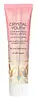
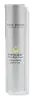
Pacifica Crystal Youth Gem Infused Face Lotion Versus Juice Beauty Stem Cellular Peptide Lifting Neck Cream
This anti-aging moisturizer is formulated around Aloe Barbadensis Leaf Juice and Palmitoyl Tripeptide-5 to soften the look of wrinkles and hydrate skin.
This anti-aging moisturizer is formulated around Palmitoyl Tripeptide-5 and Acetyl Hexapeptide-8 to soften the look of wrinkles and refine skin texture.

What's inside
What's inside
 Key Ingredients
Benefits
Concerns
Ingredients Side-by-side
Water
Skin ConditioningHelianthus Annuus Seed Oil
Emollient



Aloe Barbadensis Leaf Juice
Skin Conditioning

Glycerin
Humectant

Ethylhexyl Palmitate
Emollient


Glyceryl Stearate
Emollient
Stearic Acid
Cleansing
Palmitoyl Tripeptide-5
Skin Conditioning


Acetyl Hexapeptide-8
Humectant
Curcuma Longa Root Extract
Antioxidant

Citrullus Lanatus Fruit Extract
Skin Conditioning
Panthenol
Skin Conditioning
Allantoin
Skin Conditioning
Quartz Powder
Abrasive
Tocopherol
Antioxidant


Prunus Amygdalus Dulcis Oil
Skin Conditioning
Simmondsia Chinensis Seed Oil
Emollient
Phenoxyethanol
Preservative
Ethylhexylglycerin
Skin ConditioningXanthan Gum
EmulsifyingParfum
Masking

Water, Helianthus Annuus Seed Oil, Aloe Barbadensis Leaf Juice, Glycerin, Ethylhexyl Palmitate, Glyceryl Stearate, Stearic Acid, Palmitoyl Tripeptide-5, Acetyl Hexapeptide-8, Curcuma Longa Root Extract, Citrullus Lanatus Fruit Extract, Panthenol, Allantoin, Quartz Powder, Tocopherol, Prunus Amygdalus Dulcis Oil, Simmondsia Chinensis Seed Oil, Phenoxyethanol, Ethylhexylglycerin, Xanthan Gum, Parfum
Pyrus Malus Juice
Skin ConditioningVitis Vinifera Juice
Antioxidant
Aloe Barbadensis Leaf Juice
Skin Conditioning
Caprylic/Capric Triglyceride
Masking
Helianthus Annuus Seed Oil
Emollient
Glyceryl Stearate
Emollient
Stearyl Alcohol
Emollient
Cetyl Alcohol
Emollient
Diheptyl Succinate
EmollientCapryloyl Glycerin
Palmitoyl Tripeptide-5
Skin Conditioning
Glycerin
Humectant
Stearic Acid
Cleansing
Glyceryl Stearate Citrate
Emollient
Pullulan
Acetyl Hexapeptide-8
Humectant
Malus Domestica Fruit Cell Culture Extract
Skin ConditioningVitis Vinifera Fruit Extract
Skin ConditioningCitrus Limon Leaf Cell Extract
Skin ConditioningBorago Officinalis Seed Oil
Emollient
Linum Usitatissimum Seed Oil
Perfuming
Rosa Canina Fruit Oil
Emollient
Camellia Sinensis Leaf Extract
Antimicrobial

Calendula Officinalis Flower Extract
Masking
Lavandula Angustifolia Extract
Skin Conditioning
Arnica Montana Flower Extract
Masking
Vitis Vinifera Seed Oil
Emollient
Lonicera Caprifolium Extract
AstringentAlgae Extract
Emollient
Squalane
Emollient
Panthenol
Skin Conditioning
Magnesium Ascorbyl Phosphate
Antioxidant
Tocopherol
Antioxidant
Citrus Limon Peel Extract
EmollientButyrospermum Parkii Butter
Skin Conditioning
Ethylhexylglycerin
Skin ConditioningMenthol
Masking
Allantoin
Skin Conditioning
Xanthan Gum
EmulsifyingSodium Phytate
ChelatingMethyl Lactate
Perfuming
Caprylyl Glycol
Emollient
Litsea Cubeba Fruit Oil
Masking
Water
Skin ConditioningCinnamomum Camphora Oil
Masking
Ethyl Linalool
Masking
Citral
Perfuming
Limonene
Perfuming
Pyrus Malus Juice, Vitis Vinifera Juice, Aloe Barbadensis Leaf Juice, Caprylic/Capric Triglyceride, Helianthus Annuus Seed Oil, Glyceryl Stearate, Stearyl Alcohol, Cetyl Alcohol, Diheptyl Succinate, Capryloyl Glycerin, Palmitoyl Tripeptide-5, Glycerin, Stearic Acid, Glyceryl Stearate Citrate, Pullulan, Acetyl Hexapeptide-8, Malus Domestica Fruit Cell Culture Extract, Vitis Vinifera Fruit Extract, Citrus Limon Leaf Cell Extract, Borago Officinalis Seed Oil, Linum Usitatissimum Seed Oil, Rosa Canina Fruit Oil, Camellia Sinensis Leaf Extract, Calendula Officinalis Flower Extract, Lavandula Angustifolia Extract, Arnica Montana Flower Extract, Vitis Vinifera Seed Oil, Lonicera Caprifolium Extract, Algae Extract, Squalane, Panthenol, Magnesium Ascorbyl Phosphate, Tocopherol, Citrus Limon Peel Extract, Butyrospermum Parkii Butter, Ethylhexylglycerin, Menthol, Allantoin, Xanthan Gum, Sodium Phytate, Methyl Lactate, Caprylyl Glycol, Litsea Cubeba Fruit Oil, Water, Cinnamomum Camphora Oil, Ethyl Linalool, Citral, Limonene
Ingredients Explained
These ingredients are found in both products.
Ingredients higher up in an ingredient list are typically present in a larger amount.
Acetyl Hexapeptide-8 (also known as Argireline) is a synthetic hexapeptide that is often called a "topical Botox alternative".
It works by mimicking how Botox relaxes muscles; it interferes with the signaling process that tells your facial muscles to contract. This can help soften expression lines like forehead wrinkles or crow's feet over time.
The comparison to Botox does have limits because the molecule is water-loving and relatively large.
Acetyl Hexapeptide-8 has a hard time absorbing deeply enough through the skin's outer barrier to actually reach the muscles.
So whether it truly works the way Botox does at a biological level is still up for debate, but early clinical outcomes are fairly encouraging.
A 12 week human study of a multi-ingredient regimen containing this ingredient saw:
While some studies have observed improvements in wrinkle appearance, it is important to note that more consistent results are seen in multi-ingredient formulations (vs just Acetyl Hexapeptide-8 alone).
Some research studies also used higher concentrations (up to 10%) while this ingredient is usually found in concentrations up to 0.005% in leave-on formulations.
Learn more about Acetyl Hexapeptide-8Allantoin is a soothing ingredient known for its protective and moisturizing properties; it's basically a quiet workhorse ingredient you can find in a huge range of cosmetics.
Though it can be derived from the comfrey plant, allantoin is produced synthetically for cosmetic products to ensure purity.
Research shows it can encourage your skin cells to turn over and renew by stimulating keratinocyte and fibroblast proliferation.
It also has mild keratolytic properties to help loosen and shed dead skin cells without being harsh.
Studies also suggest allantoin can help calm inflammation by dialing down some of the chemical signals your skin sends out when it is irritated.
This ingredient is typically used in the 0.1-0.5% range, and the FDA recognizes it as a skin protectant in OTC products up to 2%.
Overall, allantoin is a wonderful addition to most routines; it is stable across a wide pH range (~4-8), works well with other ingredients, and is considered non-sensitizing/non-irritating.
Fun fact: Allantoin is naturally occurring in comfrey root, beets, chamomile, and wheat sprouts. Our bodies even produce it as a byproduct of uric acid metabolism.
Learn more about AllantoinAloe Barbadensis Leaf Juice is the filtered, stabilized liquid pressed from the inner gel of the aloe vera leaf.
In cosmetics, it shows up as either soothing active or a water-replacement base. It is roughly 98-99% water and the last 1-2% is an interesting mix of polysaccharides, amino acids, vitamins, minerals, and enzymes.
The polysaccharides do most of the work: they bind water at the skin surface for a light, non-greasy hydration boost. And one of the polysaccharides, glycomannan, is linked to fibroblast stimulation + collagen synthesis. This is also why aloe has such a long track record in wound and burn healing.
This ingredient is also calming with anti-inflammatory and mild antimicrobial activity, making it a great pick for sensitive, irritated, or post-sun skin.
Realistic expectations matter though; the solid evidence is mostly limited to hydration, soothing, and wound support. Deeper claims about anti-aging or sun protection are not well backed, and science reviews note it does not prevent radiation-induced skin injury.
Because it plays well with almost everything, it's commonly used as a base alongside other actives like niacinamide or vitamin C.
Typical usage concentrations range from 0.5% (where hydration benefits already show up) all the way to 90%+ (where it replaces water as the main base).
The safety for this ingredient is well-establish as well. Overall, this is a great supporting ingredient for those who want a boost in hydration.
Learn more about Aloe Barbadensis Leaf JuiceEthylhexylglycerin is created from glycerin. It is a multitasker ingredient that:
The CIR Expert Panel found minimal skin absorption or sensitization of any kind in a safety assessment. Though this ingredient is considered well-tolerated, a small number of cases of allergic dermatitis have been published since 2002. Just be sure to patch test if you are unsure.
Industry-reported use ranges from 8% in rinse-off products and 2% in leave-on formulations.
Learn more about EthylhexylglycerinGlycerin (or glycerol) is a compound naturally found in your skin. It's a powerhouse humectant that pulls water into the stratum corneum.
Topically, glycerin does several things at once:
Your skin makes glycerin on its own (mostly from sebaceous oil breakdown) and shuttles it to your outermost layer of skin, or your epidermis, via aquaporin-3.
Aquaporin-3 is a transporter that is essential for normal skin hydration, elasticity, and repair. Interestingly, mice lacking in AQP3 have dry and less elastic skin that can be fully corrected with glycerin.
This ingredient is non-irritating, plays well with almost every ingredient, and works across all skin types. Typical use is anywhere between 3-10% but can go up to 79% in some leave-on products.
Just know very high concentrations (>40%) can feel tacky in low humidity.
Glycerin is the name for this ingredient in American English. British English uses Glycerol/Glycerine.
Learn more about GlycerinGlyceryl Stearate is made by reacting glycerin with stearic acid (typically sourced from plant oils like palm or coconut). It's an emulsifier, emollient, and mild occlusive.
Emulsifiers help ingredients like oil and water stay mixed so your formula stays nicely blended and uniform in texture.
This ingredient is typically used in concentrations between 1-10%. Studies have found it to be non-sensitizing, non-phototoxic, and non-photoallergenic.
A close cousin of this ingredient is Glyceryl Stearate SE ("self-emulsifying"). This just has a small amount of sodium or potassium stearate added so it can emulsify without a co-emulsifier.
Since this ingredient is an ester of a C18 fatty acid, it may not be fungal acne safe. The Malassezia yeast can potentially metabolize within the C11-C24 range.
Fun fact: The human body also creates Glyceryl Stearate naturally.
Learn more about Glyceryl StearateHelianthus Annuus Seed Oil is a plant oil derived from the seeds of a sunflower.
It is rich in fatty acids, primarily linoleic acid and oleic acid. This gives it emollient and skin conditioning properties.
The reason this ingredient is so effective is because it forms a thin film on the skin that reduces transepidermal water loss (TEWL) while supplying linoleic acid to the stratum corneum to improve barrier strength.
The high linoleic acid content is particularly noteworthy for acne-prone skin.
Research suggests that acne-prone skin tends to be deficient in linoleic acid in sebum. Topical application may help replenish this to support a healthier follicular environment and less comedone-promoting sebum.
One randomized study found sunflower seed oil preserved skin barrier integrity in adult volunteers with and without atopic dermatitis (outperforming olive oil).
This ingredient is well-studied, gentle, and an effective emollient suitable for most skin types.
On fungal acne: This ingredient may not be Fungal acne (Malassezia folliculitis) safe. This is because it contains fatty acids with carbon chain lengths in the C11-C24 range.
Learn more about Helianthus Annuus Seed OilPalmitoyl Tripeptide-5 is a synthetic signal lipopeptide. This just means it is a three amino acid chain bolted onto a palmitic acid tail so it can slip through the skin's lipid barrier.
This peptide has a "build more, lose less" approach.
It's designed to mimic the collagen-stimulating activity in your skin by copying a snippet of one of your skin's own matrix proteins. This nudges fibroblasts into making more collagen while inhibiting the enzyme that breaks down skin protein.
The manufacturer's in vivo study of 45 volunteers found 1% and 2.5% reduced the appearance of wrinkles by 7% and 12% respectively, after using it twice daily for 84 days.
This is in the expected range for peptides; they're slow and cumulative actives and not overnight fixers.
Typical use levels range from 1-3% and this ingredient gets along with pretty much everything.
On the fungal acne front:
Although palmitic acid sits in the chain length that Malassezia can feed on, this ingredient has it locked in an amine bond. This makes it hard for Malassezia to access as a source of food, and therefore fungal acne safe.
Panthenol is a common ingredient that helps hydrate and soothe the skin. It is found naturally in our skin and hair.
There are two forms of panthenol: D and L.
D-panthenol is also known as dexpanthenol. Most cosmetics use dexpanthenol or a mixture of D and L-panthenol.
Panthenol is famous due to its ability to go deeper into the skin's layers. Using this ingredient has numerous pros (and no cons):
Like hyaluronic acid, panthenol is a humectant. Humectants are able to bind and hold large amounts of water to keep skin hydrated.
This ingredient works well for wound healing. It works by increasing tissue in the wound and helps close open wounds.
Once oxidized, panthenol converts to pantothenic acid. Panthothenic acid is found in all living cells.
This ingredient is also referred to as pro-vitamin B5.
Learn more about PanthenolStearic Acid is a fatty acid that is already found in your skin. It's one of the free fatty acids that works alongside ceramides and cholesterols to maintain your barrier.
In cosmetics, it is a multitasker:
Safety-wise, the CIR Expert Panel has concluded it to be safe in cosmetics when formulated to be non-irritating and non-sensitizing.
Free stearic acid is a C18 fatty acid that the Malassezia yeast can substrate, so this ingredient may not be fungal acne safe.
This ingredient does have a comedogenic rating of 2-3, but this doesn't mean a formula with this ingredient will clog pores.
Human testing has proved that any finished product with this ingredient won't automatically make you break out; it really comes down to concentration, formula, and your skin.
Learn more about Stearic AcidTocopherol is a fat-soluble antioxidant known as Vitamin E.
You'll find this ingredient in the vast majority of skincare (for good reason). It works to neutralize free radicals, or unstable molecules generated by UV exposure, pollution, and other environmental stressors, before they can cause oxidative damage to your skin cells.
Topically applied tocopherol has been shown to protect against UV damage by ramping up the skin's own natural defense enzymes.
It also acts as a skin conditioning agent; some studies show that regular topical use can improve the skin's water-binding capacity over 2-4 weeks.
This ingredient is especially loved for being a team player. When combined with Vitamin C, the photoprotective effect of both ingredients roughly doubles and the combo also helps reduce UV-induced DNA damage.
This ingredient has some brightening potential but it's more of a prevention ingredient than spot-fader. Cell studies show it can slow down melanin production but it's worth noting that it's not the most powerful brightener out there.
In formulations, it also serves as a stabilizer that helps protect other oxidation-prone ingredients from degrading.
Concentrations usually range from 0.1-1% in most leave-on products.
Learn more about TocopherolWater. It's the most common cosmetic ingredient of all. You'll usually see it at the top of ingredient lists, meaning that it makes up the largest part of the product.
So why is it so popular? Water most often acts as a solvent - this means that it helps dissolve other ingredients into the formulation.
You'll also recognize water as that liquid we all need to stay alive. If you see this, drink a glass of water. Remember to stay hydrated!
Learn more about WaterXanthan gum is used as a stabilizer and thickener within cosmetic products. It helps give products a sticky, thick feeling - preventing them from being too runny.
On the technical side of things, xanthan gum is a polysaccharide - a combination consisting of multiple sugar molecules bonded together.
Xanthan gum is a pretty common and great ingredient. It is a natural, non-toxic, non-irritating ingredient that is also commonly used in food products.
Learn more about Xanthan Gum

