
What's inside
What's inside
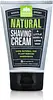 Key Ingredients
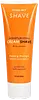
Benefits
Concerns
Ingredients Side-by-side
Aloe Barbadensis Leaf Juice
Skin Conditioning


Myristic Acid
Cleansing



Stearic Acid
Cleansing
Potassium Hydroxide
BufferingGlycerin
Humectant

Helianthus Annuus Seed Oil
Emollient
Butyrospermum Parkii Butter
Skin Conditioning
Citrus Aurantium Bergamia Fruit Oil
Masking


Citrus Grandis Peel Oil
Masking
Citrus Aurantium Dulcis Peel Oil
Masking
Citrus Tangerina Peel Oil
Masking
Camellia Sinensis Leaf Extract
Antimicrobial




Camellia Oleifera Leaf Extract
AstringentCalendula Officinalis Flower Extract
Masking
Chamomilla Recutita Extract
Skin Conditioning
Lavandula Angustifolia Extract
Skin Conditioning
Symphytum Officinale Callus Culture Extract
Skin ConditioningTrifolium Pratense Extract
Skin ConditioningPrunus Amygdalus Dulcis Fruit Extract
Skin ConditioningAlthaea Officinalis Root Extract
Skin Conditioning
Avena Sativa Kernel Extract
Abrasive
Sorbic Acid
Preservative
Tocopheryl Acetate
Antioxidant
Hydroxyethylcellulose
Emulsion StabilisingAloe Barbadensis Leaf Juice, Myristic Acid, Stearic Acid, Potassium Hydroxide, Glycerin, Helianthus Annuus Seed Oil, Butyrospermum Parkii Butter, Citrus Aurantium Bergamia Fruit Oil, Citrus Grandis Peel Oil, Citrus Aurantium Dulcis Peel Oil, Citrus Tangerina Peel Oil, Camellia Sinensis Leaf Extract, Camellia Oleifera Leaf Extract, Calendula Officinalis Flower Extract, Chamomilla Recutita Extract, Lavandula Angustifolia Extract, Symphytum Officinale Callus Culture Extract, Trifolium Pratense Extract, Prunus Amygdalus Dulcis Fruit Extract, Althaea Officinalis Root Extract, Avena Sativa Kernel Extract, Sorbic Acid, Tocopheryl Acetate, Hydroxyethylcellulose
Water
Skin ConditioningSodium Methyl Cocoyl Taurate
Cleansing
Sodium Coco-Sulfate
Cleansing
Glycerin
Humectant
Glycol Distearate
Emollient
Cetyl Alcohol
Emollient
Aloe Ferox Leaf Juice
Skin ConditioningTocopherol
Antioxidant
Oleth-3
Emulsifying
Hydroxyethylcellulose
Emulsion StabilisingChamomilla Recutita Extract
Skin Conditioning
Acrylates/C10-30 Alkyl Acrylate Crosspolymer
Emulsion StabilisingLavandula Angustifolia Extract
Skin Conditioning
PEG-150 Distearate
Emulsifying
Xanthan Gum
EmulsifyingCamellia Sinensis Extract
Antioxidant
Allantoin
Skin Conditioning
Panthenol
Skin Conditioning
Phenoxyethanol
Preservative
Ethylhexylglycerin
Skin ConditioningEchinacea Purpurea Extract
MoisturisingParfum
Masking
Water, Sodium Methyl Cocoyl Taurate, Sodium Coco-Sulfate, Glycerin, Glycol Distearate, Cetyl Alcohol, Aloe Ferox Leaf Juice, Tocopherol, Oleth-3, Hydroxyethylcellulose, Chamomilla Recutita Extract, Acrylates/C10-30 Alkyl Acrylate Crosspolymer, Lavandula Angustifolia Extract, PEG-150 Distearate, Xanthan Gum, Camellia Sinensis Extract, Allantoin, Panthenol, Phenoxyethanol, Ethylhexylglycerin, Echinacea Purpurea Extract, Parfum
Ingredients Explained
These ingredients are found in both products.
Ingredients higher up in an ingredient list are typically present in a larger amount.
This ingredient comes from the Chamomile flower.
Chamomile is rich in antioxidants and has anti-inflammatory properties. Several compounds found in chamomile help with soothing, such as bisbolol.
Antioxidant components in chamomile help fight free-radical molecules. These unstable molecules may damage your skin cells. By stabilizing them, antioxidants may help reduce the signs of aging.
Ancient Greeks, Romans, and Egyptians used Chamomile to treat skin redness and dryness. Chamomile has also been used to help with stomach issues.
Learn more about Chamomilla Recutita ExtractGlycerin (or glycerol) is a compound naturally found in your skin. It's a powerhouse humectant that pulls water into the stratum corneum.
Topically, glycerin does several things at once:
Your skin makes glycerin on its own (mostly from sebaceous oil breakdown) and shuttles it to your outermost layer of skin, or your epidermis, via aquaporin-3.
Aquaporin-3 is a transporter that is essential for normal skin hydration, elasticity, and repair. Interestingly, mice lacking in AQP3 have dry and less elastic skin that can be fully corrected with glycerin.
This ingredient is non-irritating, plays well with almost every ingredient, and works across all skin types. Typical use is anywhere between 3-10% but can go up to 79% in some leave-on products.
Just know very high concentrations (>40%) can feel tacky in low humidity.
Glycerin is the name for this ingredient in American English. British English uses Glycerol/Glycerine.
Learn more about GlycerinHydroxyethylcellulose is used to improve the texture of products. It is created from a chemical reaction involving ethylene oxide and alkali-cellulose. Cellulose is a sugar found in plant cell walls and help give plants structure.
This ingredient helps stabilize products by preventing ingredients from separating. It can also help thicken the texture of a product.
This ingredient can also be found in pill medicines to help our bodies digest other ingredients.
Learn more about HydroxyethylcelluloseLavandula Angustifolia Extract comes from the flowers and leaves of the lavender plant. It's mostly used in skincare for its scent plus a bit of skin conditioning properties.
Lab research credits it with soothing, antioxidant, and wound-supporting effects. This is largely thanks to a compound called rosmarinic acid.
Rosmarinic acid has been shown to calm inflammation signaling in skin cells (the same pathways that flare up in conditions like eczema and psoriasis). It also has real antimicrobial and antifungal activity in test-tube studies.
This ingredient is typically used in low concentrations (generally well under 1%) where it acts as a light fragrance + mild skin soother extract.
The main thing to know is that lavender contains two naturally fragrant molecules: Linalool and Linalyl Acetate. Some people's skin does perfectly fine with fragrance while others don't.
Just be sure to patch test if you have reactive skin or known plant allergies.
Linalool and Linalyl Acetate are gentle when fresh but oxidize into compounds that can cause allergic contact dermatitis when exposed to air. Patch-test studies of patients already being investigated for skin allergies found about 5-7% of patients had reactions to oxidized linalool, and 2.8% of patients reacted to oxidized lavender oil.
Learn more about Lavandula Angustifolia Extract

