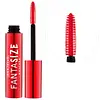
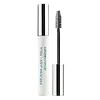
One/Size by Patrick Starrr Fantasize Lifting & Lengthening Mascara Versus Colorescience Total Lash Mascara

What's inside
What's inside
 Key Ingredients
Benefits
Concerns
Ingredients Side-by-side
Water
Skin ConditioningCopernicia Cerifera Wax


Glyceryl Stearate
Emollient
Vp/Hexadecene Copolymer
Ricinus Communis Seed Oil
Masking


Synthetic Beeswax
Emulsion Stabilising
Polyvinyl Alcohol
Acrylates Copolymer
Palmitic Acid
Emollient


Stearic Acid
Cleansing
Propanediol
Solvent
Oryza Sativa Bran Wax
Skin Conditioning
Octyldodecanol
Emollient
1,2-Hexanediol
Skin Conditioning
Hydroxyacetophenone
Antioxidant
Panthenol
Skin Conditioning


Rhus Verniciflua Peel Wax
Glycerin
Humectant
Sodium Hydroxide
BufferingCaprylhydroxamic Acid
Caprylic/Capric Triglyceride
Masking
Cocos Nucifera Oil
Masking
Pistacia Lentiscus Gum
MaskingArgania Spinosa Kernel Oil
Emollient

Acetyl Hexapeptide-1
Skin Conditioning
Dextran
CI 77499
Cosmetic ColorantWater, Copernicia Cerifera Wax, Glyceryl Stearate, Vp/Hexadecene Copolymer, Ricinus Communis Seed Oil, Synthetic Beeswax, Polyvinyl Alcohol, Acrylates Copolymer, Palmitic Acid, Stearic Acid, Propanediol, Oryza Sativa Bran Wax, Octyldodecanol, 1,2-Hexanediol, Hydroxyacetophenone, Panthenol, Rhus Verniciflua Peel Wax, Glycerin, Sodium Hydroxide, Caprylhydroxamic Acid, Caprylic/Capric Triglyceride, Cocos Nucifera Oil, Pistacia Lentiscus Gum, Argania Spinosa Kernel Oil, Acetyl Hexapeptide-1, Dextran, CI 77499
Water
Skin ConditioningAcrylates Copolymer
Copernicia Cerifera Wax
CI 77499
Cosmetic ColorantGlycerin
Humectant
Beeswax
Emulsion Stabilising
Sorbitan Sesquioleate
Emulsifying
Cetearyl Alcohol
Emollient
Vp/Hexadecene Copolymer
Palmitic Acid
Emollient
Simmondsia Chinensis Seed Oil
Emollient
Pvp
Emulsion StabilisingMyristic Acid
Cleansing
Sodium Hydroxide
BufferingOctyldodecanol
Emollient
Stearic Acid
Cleansing
Phenoxyethanol
Preservative
Ethylhexylglycerin
Skin ConditioningHydroxyethylcellulose
Emulsion StabilisingArctium Lappa Root Extract
Skin Conditioning
Acorus Calamus Root Extract
Perfuming
Myristoyl Pentapeptide-17
Skin Conditioning
1,2-Hexanediol
Skin Conditioning
Benzoic Acid
Masking
Sodium Benzoate
Masking
Polysorbate 60
Emulsifying
Panthenol
Skin Conditioning
Propanediol
Solvent
Laureth-21
CleansingSodium Dehydroacetate
Preservative
Caprylhydroxamic Acid
Potassium Sorbate
Preservative
Caprylyl Glycol
Emollient
Arginine
Masking
Water, Acrylates Copolymer, Copernicia Cerifera Wax, CI 77499, Glycerin, Beeswax, Sorbitan Sesquioleate, Cetearyl Alcohol, Vp/Hexadecene Copolymer, Palmitic Acid, Simmondsia Chinensis Seed Oil, Pvp, Myristic Acid, Sodium Hydroxide, Octyldodecanol, Stearic Acid, Phenoxyethanol, Ethylhexylglycerin, Hydroxyethylcellulose, Arctium Lappa Root Extract, Acorus Calamus Root Extract, Myristoyl Pentapeptide-17, 1,2-Hexanediol, Benzoic Acid, Sodium Benzoate, Polysorbate 60, Panthenol, Propanediol, Laureth-21, Sodium Dehydroacetate, Caprylhydroxamic Acid, Potassium Sorbate, Caprylyl Glycol, Arginine
Ingredients Explained
These ingredients are found in both products.
Ingredients higher up in an ingredient list are typically present in a larger amount.
1,2-Hexanediol is a synthetic liquid and another multi-functional powerhouse.
It is a:
- Humectant, drawing moisture into the skin
- Emollient, helping to soften skin
- Solvent, dispersing and stabilizing formulas
- Preservative booster, enhancing the antimicrobial activity of other preservatives
Acrylates Copolymer is used as a film-forming agent and texture enhancer.
After applied, Acrylates Copolymer forms a thin film cover that helps skin feel more soft. It can help sunscreens become more water-resistant.
It is also used to make a product more thick.
Learn more about Acrylates CopolymerCaprylhydroxamic Acid is a chelating agent that helps cosmetics stay fresh, stable, and consistent over time.
Chelating agents help prevent metal ions from binding to other ingredients. This helps prevent unwanted reactions and effects from using the product. It also helps prevent the growth of unwanted microbes in products that contain water.
Caprylhydroxamic Acid is often used with natural antimicrobial products as an alternative to preservatives.
Learn more about Caprylhydroxamic AcidCi 77499 is also hydrated iron III oxide. It is created from mixing red and black iron oxides. This helps give shades of darkness to a product.
Iron III oxides are classified as inorganic chemicals for coloring.
Copernicia Cerifera Wax comes from a palm tree native to Brazil; another name for this ingredient is Carnauba Wax.
This ingredient is used to thicken texture and also leaves behind a film when applied.
Fun fact: This wax has the highest melting point of all natural waxes and low solubility.
Learn more about Copernicia Cerifera WaxGlycerin (or glycerol) is a compound naturally found in your skin. It's a powerhouse humectant that pulls water into the stratum corneum.
Topically, glycerin does several things at once:
Your skin makes glycerin on its own (mostly from sebaceous oil breakdown) and shuttles it to your outermost layer of skin, or your epidermis, via aquaporin-3.
Aquaporin-3 is a transporter that is essential for normal skin hydration, elasticity, and repair. Interestingly, mice lacking in AQP3 have dry and less elastic skin that can be fully corrected with glycerin.
This ingredient is non-irritating, plays well with almost every ingredient, and works across all skin types. Typical use is anywhere between 3-10% but can go up to 79% in some leave-on products.
Just know very high concentrations (>40%) can feel tacky in low humidity.
Glycerin is the name for this ingredient in American English. British English uses Glycerol/Glycerine.
Learn more about GlycerinOctyldodecanol is a fatty alcohol sourced from plant oils like coconut or palm (or made synthetically).
It is:
You'll likely see this in many BHA products because this is the go-to solvent for salicylic acid.
This ingredient is typically used at levels between 2-20%.
Regarding fungal acne:
In 2019, this ingredient was tested against multiple Malassezia species (the yeast that causes fungal acne) and showed no growth.
Palmitic Acid is a fatty acid naturally found in our skin and in many plant and animal sources.
In cosmetics, it is usually derived from palm oil. It serves many purposes in skincare, acting as a cleanser, emollient, and emulsifier.
Interestingly, topically applied Palmitic Acid can be elongated into longer chain fatty acids and ceramides. A 2019 study found low levels of Palmitic Acid lead to slower development of cells, suggesting it plays a role in keeping your skin's renewal process on track.
The CIR (Cosmetic Ingredient Review) panel determined it safe as used in cosmetics at concentrations up to 13%. It is non-irritating and non-sensitizing in clinical studies.
The culprit behind fungal acne, the Malassezia yeast, feeds on fatty acids with carbon chain lengths between C11-C24. Palmitic Acid, at C16, falls right into that sweet spot.
In vitro studies have shown that Palmitic Acid is one of the fatty acids that induce rapid Malassezia growth in lab settings.
It's worth noting that what feeds yeast in a lab doesn't necessarily feed it on your face since formulation and your skin's chemistry play a bigger role.
Learn more about Palmitic AcidPanthenol is a common ingredient that helps hydrate and soothe the skin. It is found naturally in our skin and hair.
There are two forms of panthenol: D and L.
D-panthenol is also known as dexpanthenol. Most cosmetics use dexpanthenol or a mixture of D and L-panthenol.
Panthenol is famous due to its ability to go deeper into the skin's layers. Using this ingredient has numerous pros (and no cons):
Like hyaluronic acid, panthenol is a humectant. Humectants are able to bind and hold large amounts of water to keep skin hydrated.
This ingredient works well for wound healing. It works by increasing tissue in the wound and helps close open wounds.
Once oxidized, panthenol converts to pantothenic acid. Panthothenic acid is found in all living cells.
This ingredient is also referred to as pro-vitamin B5.
Learn more about PanthenolPropanediol is an all-star ingredient. It softens, hydrates, and smooths the skin.
It’s often used to:
Propanediol is not likely to cause sensitivity and considered safe to use. It is derived from corn or petroleum with a clear color and no scent.
Learn more about PropanediolSodium Hydroxide is also known as lye or caustic soda. It is used to adjust the pH of products; many ingredients require a specific pH to be effective.
In small amounts, sodium hydroxide is considered safe to use. However, large amounts may cause chemical burns due to its high alkaline.
Your skin has a natural pH and acid mantle. This acid mantle helps prevent harmful bacteria from breaking through. The acid mantle also helps keep your skin hydrated.
"Alkaline" refers to a high pH level. A low pH level would be considered acidic.
Learn more about Sodium HydroxideStearic Acid is a fatty acid that is already found in your skin. It's one of the free fatty acids that works alongside ceramides and cholesterols to maintain your barrier.
In cosmetics, it is a multitasker:
Safety-wise, the CIR Expert Panel has concluded it to be safe in cosmetics when formulated to be non-irritating and non-sensitizing.
Free stearic acid is a C18 fatty acid that the Malassezia yeast can substrate, so this ingredient may not be fungal acne safe.
Learn more about Stearic AcidVP/Hexadecene Copolymer is a synthetic film-forming agent. It has both water and oil loving properties, allowing it to create a flexible, even film on the skin.
This ingredient helps enhance texture, smoothness, and wear resistance in makeup products while reducing tackiness.
Water. It's the most common cosmetic ingredient of all. You'll usually see it at the top of ingredient lists, meaning that it makes up the largest part of the product.
So why is it so popular? Water most often acts as a solvent - this means that it helps dissolve other ingredients into the formulation.
You'll also recognize water as that liquid we all need to stay alive. If you see this, drink a glass of water. Remember to stay hydrated!
Learn more about Water

