

What's inside
What's inside
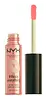 Key Ingredients
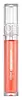
Benefits
Concerns
Ingredients Side-by-side
Paraffinum Liquidum
Emollient


Polyisobutene
Octyldodecanol
Emollient
Diisostearyl Malate
EmollientPetrolatum
Emollient
Silica Silylate
Emollient
Hydrogenated Styrene/Isoprene Copolymer
Cera Microcristallina
Emulsion StabilisingRosa Canina Fruit Oil
Emollient



Vitis Vinifera Seed Oil
Emollient
Simmondsia Chinensis Seed Oil
Emollient
Prunus Amygdalus Dulcis Oil
Skin Conditioning

Glycerin
Humectant
Aroma


Alumina
Abrasive
Aluminum Benzoate
AntimicrobialAluminum Hydroxide
EmollientCaprylic/Capric Triglyceride
Masking
Persea Gratissima Oil
Skin Conditioning
Vegetable Oil
Skin Conditioning
Ethylhexyl Methoxycinnamate
UV Absorber

Ethylhexylglycerin
Skin ConditioningBHT
Antioxidant
Tocopherol
Antioxidant



Tocopheryl Acetate
Antioxidant
Diethylhexyl Syringylidenemalonate
Skin Protecting
Pentaerythrityl Tetra-Di-T-Butyl Hydroxyhydrocinnamate
Antioxidant
Sorbic Acid
Preservative
CI 77120
Cosmetic ColorantPhenoxyethanol
Preservative
CI 77891
Cosmetic ColorantCI 42090
Cosmetic ColorantCI 45410
Cosmetic ColorantCI 15850
Cosmetic ColorantParaffinum Liquidum, Polyisobutene, Octyldodecanol, Diisostearyl Malate, Petrolatum, Silica Silylate, Hydrogenated Styrene/Isoprene Copolymer, Cera Microcristallina, Rosa Canina Fruit Oil, Vitis Vinifera Seed Oil, Simmondsia Chinensis Seed Oil, Prunus Amygdalus Dulcis Oil, Glycerin, Aroma, Alumina, Aluminum Benzoate, Aluminum Hydroxide, Caprylic/Capric Triglyceride, Persea Gratissima Oil, Vegetable Oil, Ethylhexyl Methoxycinnamate, Ethylhexylglycerin, BHT, Tocopherol, Tocopheryl Acetate, Diethylhexyl Syringylidenemalonate, Pentaerythrityl Tetra-Di-T-Butyl Hydroxyhydrocinnamate, Sorbic Acid, CI 77120, Phenoxyethanol, CI 77891, CI 42090, CI 45410, CI 15850
Hydrogenated Polyisobutene
EmollientDiisostearyl Malate
EmollientOctyldodecanol
Emollient
Caprylic/Capric Triglyceride
Masking
Ethylhexyl Hydroxystearate
Emollient
Menthyl Lactate
Masking
Silica Dimethyl Silylate
Emollient1,2-Hexanediol
Skin Conditioning
Dextrin Palmitate
Emulsifying
Dibutyl Lauroyl Glutamide
Skin ConditioningDibutyl Ethylhexanoyl Glutamide
Skin ConditioningParfum
Masking
Calcium Sodium Borosilicate
CI 77891
Cosmetic ColorantTin Oxide
Abrasive
Anemarrhena Asphodeloides Root Extract
Skin Conditioning
Prunus Amygdalus Dulcis Oil
Skin Conditioning
Hydrogenated Polyisobutene, Diisostearyl Malate, Octyldodecanol, Caprylic/Capric Triglyceride, Ethylhexyl Hydroxystearate, Menthyl Lactate, Silica Dimethyl Silylate, 1,2-Hexanediol, Dextrin Palmitate, Dibutyl Lauroyl Glutamide, Dibutyl Ethylhexanoyl Glutamide, Parfum, Calcium Sodium Borosilicate, CI 77891, Tin Oxide, Anemarrhena Asphodeloides Root Extract, Prunus Amygdalus Dulcis Oil
Reviews
Ingredients Explained
These ingredients are found in both products.
Ingredients higher up in an ingredient list are typically present in a larger amount.
Caprylic/Capric Triglyceride (aka MCT Oil) is a lightweight emollient, solvent, and texture enhancer. It is considered a skin-softener by helping to prevent moisture loss.
Though it behaves like an oil, it is not technically one due to its chemical composition. One perk of this ingredient is that it is very stable, resistant to oxidation, and unlikely to go rancid.
In practice, that translates to a long shelf life and a consistently elegant skin feel.
While there is an assumption Caprylic Triglyceride can clog pores due to it being derived from coconut oil, there is no research supporting this. Just patch test if you have concerns.
Fractionated coconut oil and MCT Oil are both listed as Caprylic/Capric Triglyceride according to INCI. This is because INCI names are based on the ingredient’s final chemical composition and not its marketing name or source.
This ingredient is treated as the gold standard fungal acne safe oil. Even though it is coconut derived, the problematic lauric acid is stripped out.
This leaves just caprylic (C8) and capric (C10) acid. These chain lengths actually trend antifungal; a 2020 study found caprylic acid was enough to disrupt Malassezia furfur cell membrane, with a caprylic acid derivative damaging membrane structures at concentrations as low as 0.2%.
Learn more about Caprylic/Capric TriglycerideCi 77891 is a white pigment from Titanium dioxide. It is naturally found in minerals such as rutile and ilmenite.
It's main function is to add a white color to cosmetics. It can also be mixed with other colors to create different shades.
Ci 77891 is commonly found in sunscreens due to its ability to block UV rays.
Learn more about CI 77891Diisostearyl Malate is an emollient and most often used in lip products. It comes from isostearyl alcohol, a fatty acid, and malic acid, an AHA.
As an emollient, Diisostearyl Malate helps create a thin film on your skin to trap moisture in. This helps keep your skin soft and smooth.
Octyldodecanol is a fatty alcohol sourced from plant oils like coconut or palm (or made synthetically).
It is:
You'll likely see this in many BHA products because this is the go-to solvent for salicylic acid.
This ingredient is typically used at levels between 2-20%.
Regarding fungal acne:
In 2019, this ingredient was tested against multiple Malassezia species (the yeast that causes fungal acne) and showed no growth.
This ingredient is also known as sweet almond oil. It is a lightweight, cold-pressed oil from the ripe seeds of the sweet almond tree.
Sweet almond oil is rich in skin-nourishing fatty acids such as oleic acid (55-86%) and linolenic acid (7-35%).
As an emollient, it softens and hydrates skin by forming a thin barrier that locks in moisture.
Clinical studies have found it to be non-irritating and non-sensitizing. The CIR Expert Panel has evaluated the available safety data and concluded it is safe for topical use.
Because of the oleic acid content, this ingredient may not be fungal acne safe.
Learn more about Prunus Amygdalus Dulcis Oil

