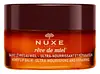
This barrier-repair lip moisturizer is formulated around Butyrospermum Parkii Butter and Honey to strengthen the lip barrier and hydrate lips.
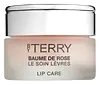
This barrier-repair lip moisturizer is formulated around Bis-Diglyceryl Polyacyladipate-2 and Ricinus Communis Seed Oil to strengthen the lip barrier and hydrate lips.

What's inside
What's inside
 Key Ingredients
Benefits
Concerns
Ingredients Side-by-side
Beeswax
Emulsion Stabilising




Helianthus Annuus Seed Oil
Emollient

Butyrospermum Parkii Butter
Skin Conditioning
Lecithin
Emollient
C10-18 Triglycerides
Emollient
Caprylic/Capric Triglyceride
Masking
Honey
Humectant
Citrus Grandis Peel Oil
Masking



Camelina Sativa Seed Oil
Skin Conditioning
Oleic/Linoleic/Linolenic Polyglycerides
Emollient
Glyceryl Caprylate
EmollientTocopherol
Antioxidant





Citrus Limon Peel Oil
Masking
Propolis Extract
Skin Conditioning



Citric Acid
Buffering
Citral
Perfuming
Linalool
Perfuming
Geraniol
Perfuming
Limonene
Perfuming
Beeswax, Helianthus Annuus Seed Oil, Butyrospermum Parkii Butter, Lecithin, C10-18 Triglycerides, Caprylic/Capric Triglyceride, Honey, Citrus Grandis Peel Oil, Camelina Sativa Seed Oil, Oleic/Linoleic/Linolenic Polyglycerides, Glyceryl Caprylate, Tocopherol, Citrus Limon Peel Oil, Propolis Extract, Citric Acid, Citral, Linalool, Geraniol, Limonene
Bis-Diglyceryl Polyacyladipate-2
Emollient
Ricinus Communis Seed Oil
Masking
Synthetic Wax
Abrasive
Diisostearyl Malate
EmollientTridecyl Trimellitate
EmollientMethyl Hydrogenated Rosinate
Perfuming
Hydrogenated Polyisobutene
EmollientPolyethylene
Abrasive
Butyrospermum Parkii Butter
Skin Conditioning
Stearalkonium Hectorite
Gel FormingC20-40 Acid
Cleansing
Parfum
Masking
Caprylic/Capric Triglyceride
Masking
Titanium Dioxide
Cosmetic Colorant

Rosa Centifolia Flower Cera
MaskingRosa Damascena Flower Cera
MaskingTocopherol
Antioxidant
Ethylhexyl Palmitate
Emollient
Propylene Carbonate
SolventGlycine Soja Oil
Emollient
Geraniol
Perfuming
Trihydroxypalmitamidohydroxypropyl Myristyl Ether
Skin ConditioningCitronellol
Perfuming
Alumina
Abrasive
Aluminum Stearate
Cosmetic ColorantPolyhydroxystearic Acid
Emulsifying
Mica
Cosmetic ColorantCI 77891
Cosmetic ColorantLinalool
Perfuming
Silica Dimethyl Silylate
EmollientBenzyl Benzoate
Antimicrobial
Butylene Glycol
Humectant
Caprylyl Glycol
Emollient
CI 75470
Cosmetic ColorantCitral
Perfuming
Eugenol
Perfuming
Phenoxyethanol
Preservative
Sodium Hyaluronate
Humectant
Hexylene Glycol
EmulsifyingCitric Acid
Buffering
Bis-Diglyceryl Polyacyladipate-2, Ricinus Communis Seed Oil, Synthetic Wax, Diisostearyl Malate, Tridecyl Trimellitate, Methyl Hydrogenated Rosinate, Hydrogenated Polyisobutene, Polyethylene, Butyrospermum Parkii Butter, Stearalkonium Hectorite, C20-40 Acid, Parfum, Caprylic/Capric Triglyceride, Titanium Dioxide, Rosa Centifolia Flower Cera, Rosa Damascena Flower Cera, Tocopherol, Ethylhexyl Palmitate, Propylene Carbonate, Glycine Soja Oil, Geraniol, Trihydroxypalmitamidohydroxypropyl Myristyl Ether, Citronellol, Alumina, Aluminum Stearate, Polyhydroxystearic Acid, Mica, CI 77891, Linalool, Silica Dimethyl Silylate, Benzyl Benzoate, Butylene Glycol, Caprylyl Glycol, CI 75470, Citral, Eugenol, Phenoxyethanol, Sodium Hyaluronate, Hexylene Glycol, Citric Acid
Reviews
Ingredients Explained
These ingredients are found in both products.
Ingredients higher up in an ingredient list are typically present in a larger amount.
This ingredient is also known as shea butter. It is a plant-derived extract from the nuts of the Africa shea tree and one of the most well-studied emollients.
Because it has a high concentration of fatty acids (primarily oleic, stearic, and linoleic) it is able to form a protective barrier on the skin's surface. This helps seal in moisture and prevents transepidermal water loss (TEWL).
In vitro research found an increase in skin hydration by 58% and a decrease in TEWL by 37.8% after 24 hours of applying this ingredient (pretty impressive for a single ingredient!).
Besides hydration, shea butter also contains triterpenes that have anti-inflammatory potential. In particule, lupeol cinnamate has shown the highest anti-inflammatory activity in vivo.
Shea butter also contains vitamins A and E which may contribute to antioxidant activity.
While Shea Butter has an SPF rating of about 3-4, it is not a sunscreen replacement.
This ingredient may not be fungal acne safe because its fatty acids fall within the C11-C24 range that the Malassezia yeast can metabolize.
This ingredient shows up on a lot of "pore-clogging" lists but there's no real evidence behind that. It doesn't even have a comedogenic rating from an actual study; the numbers you'll find online come from blogs citing other blogs.
Ratings for other ingredients mostly come from a 1980s rabbit ear test. This test doesn't translate well to human skin or to real products because the ingredient sits at a much lower percentage.
Some people still find it breaks them out. So if that's you, definitely trust your skin. Just know this one's based on experience and not evidence.
Learn more about Butyrospermum Parkii ButterCaprylic/Capric Triglyceride (aka MCT Oil) is a lightweight emollient, solvent, and texture enhancer. It is considered a skin-softener by helping to prevent moisture loss.
Though it behaves like an oil, it is not technically one due to its chemical composition. One perk of this ingredient is that it is very stable, resistant to oxidation, and unlikely to go rancid.
In practice, that translates to a long shelf life and a consistently elegant skin feel.
While there is an assumption Caprylic Triglyceride can clog pores due to it being derived from coconut oil, there is no research supporting this. Just patch test if you have concerns.
Fractionated coconut oil and MCT Oil are both listed as Caprylic/Capric Triglyceride according to INCI. This is because INCI names are based on the ingredient’s final chemical composition and not its marketing name or source.
This ingredient is treated as the gold standard fungal acne safe oil. Even though it is coconut derived, the problematic lauric acid is stripped out.
This leaves just caprylic (C8) and capric (C10) acid. These chain lengths actually trend antifungal; a 2020 study found caprylic acid was enough to disrupt Malassezia furfur cell membrane, with a caprylic acid derivative damaging membrane structures at concentrations as low as 0.2%.
Learn more about Caprylic/Capric TriglycerideCitral is the molecule responsible for the fresh lemon scent in lemon, lime, and lemongrass. It is a fragrance ingredient that can be created from plant essential oils or synthetically.
Though Citral has documented antimicrobial activity against acne bacteria (which is where the marketing claims about it being good for acne-prone skin originate), real formulas use it at fragrance-level concentrations under 1% so there's likely no skin benefit.
You should know this ingredient is a known EU fragrance allergen.
Animal studies classifies this ingredient as a weak-to-moderate skin sensitizer and clinical patch testing on eczema patients confirmed it to be both a contact allergen and irritant.
The term 'citral' is a collective term for two geometric isomers: geranial/Citral A and neral/Citral B.
The term 'fragrance' is not regulated in many countries. In many cases, it is up to the brand to define this term. For instance, many brands choose to label themselves as "fragrance-free" because they are not using synthetic fragrances. However, their products may still contain ingredients such as essential oils that are considered a fragrance.
Learn more about CitralCitric Acid is an alpha hydroxy acid (AHA) naturally found in citrus fruits like oranges, lemons, and limes.
Like other AHAs, citric acid can exfoliate skin by breaking down the bonds that hold dead skin cells together. This helps reveal smoother and brighter skin underneath.
However, this exfoliating effect only happens at high concentrations (20%) which can be hard to find in cosmetic products.
Due to this, citric acid is usually included in small amounts as a pH adjuster. This helps keep products slightly more acidic and compatible with skin's natural pH.
In skincare formulas, citric acid can:
While it can provide some skin benefits, research shows lactic acid and glycolic acid are generally more effective and less irritating exfoliants.
Most citric acid used in skincare today is made by fermenting sugars (usually from molasses). This synthetic version is identical to the natural citrus form but easier to stabilize and use in formulations.
Rosacea skin has a lower threshold for acids generally, with 62.5% of rosacea subjects in one study reacting to lactic acid in a sting test. This is why we mark citric acid as a potential rosacea trigger.
However, this ingredient shows up as a pH adjuster or chelator at roughly 0.1-1% in many products. These low levels are unlikely to be an issue for rosacea skin and becomes a potential trigger at exfoliating concentrations (20%). Because everybody's skin is unique, we recommend a patch test if you are unsure.
Learn more about Citric AcidGeraniol is used to add fragrance/parfum to a product. It is the main component of citronellol. It is a monoterpenoid and an alcohol.
Monoterpenes are naturally found in many parts of different plants.
Geraniol can be found in many essential oils including Rose Oil and Citronella Oil. The scent of Geraniol is often described as "rose-like". Many foods also contain Geraniol for fruit flavoring.
Geraniol can irritate the skin when exposed to air. However, irritation depends on the ability of geraniol to penetrate into the skin. In general, geraniol is not able to penetrate skin easily.
Geraniol is colorless and has low water-solubility. However, it is soluble in common organic solvents.
Like citronellol, it is a natural insect repellent.
2,6-Octadien-1-ol, 3,7-dimethyl-, (2E)-
Learn more about GeraniolLinalool is a small, naturally occurring scent molecule found in plants like lavender, coriander, bergamot, and more.
It is one of the two most-used fragrance ingredients in cosmetics and added purely for smell. Since it's not used for a skin benefit, there's no "effective dose". Concentration depends on the fragrance load of the product.
The EU requires it to be named on the label above 0.001% in leave-on and 0.01% in rinse-off products.
Fresh linalool is a weak sensitizer but air exposure turns some of it into hydroperoxides, which are strong sensitizers. Those oxidation products are the actual allergy concern.
Patch-test clinics see positive reactions to linalool hydroperoxides in about 4% to 12% of dermatitis patients depending on country and test concentration.
Resassuringly, one analytical study found hydroperoxide levels in real fragranced products to be orders of magnitude below what induced sensitization in animal studies with no evidence of oxidation building up during normal storage.
The practical takeaway is that linalool is fine for most people but worth avoiding if you have a confirmed fragrance contact allergy or a badly compromised barrier.
Products stored a long time after opening are also the high-risk scenario since that is when oxidation happens.
The scent of linalool is described as floral, spicy tropical, and citrus-like.
Learn more about LinaloolTocopherol is a fat-soluble antioxidant known as Vitamin E.
You'll find this ingredient in the vast majority of skincare (for good reason). It works to neutralize free radicals, or unstable molecules generated by UV exposure, pollution, and other environmental stressors, before they can cause oxidative damage to your skin cells.
Topically applied tocopherol has been shown to protect against UV damage by ramping up the skin's own natural defense enzymes.
It also acts as a skin conditioning agent; some studies show that regular topical use can improve the skin's water-binding capacity over 2-4 weeks.
This ingredient is especially loved for being a team player. When combined with Vitamin C, the photoprotective effect of both ingredients roughly doubles and the combo also helps reduce UV-induced DNA damage.
This ingredient has some brightening potential but it's more of a prevention ingredient than spot-fader. Cell studies show it can slow down melanin production but it's worth noting that it's not the most powerful brightener out there.
In formulations, it also serves as a stabilizer that helps protect other oxidation-prone ingredients from degrading.
Concentrations usually range from 0.1-1% in most leave-on products.
Learn more about Tocopherol

