
What's inside
What's inside
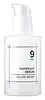 Key Ingredients
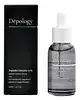
Benefits
Concerns
Ingredients Side-by-side
Water
Skin ConditioningGlycerin
Humectant


Hydrogenated Poly(C6-14 Olefin)
EmollientPropanediol
Solvent
Pentaerythrityl Tetraethylhexanoate
Emollient
Niacinamide
Smoothing









Dimethicone
Emollient
Butylene Glycol
Humectant
Butyrospermum Parkii Butter
Skin Conditioning


Hydrogenated Vegetable Oil
Emollient
Hydroxypropyltrimonium Hyaluronate
Hydrolyzed Hyaluronic Acid
Humectant
Palmitoyl Tripeptide-5
Skin Conditioning
Acetyl Hexapeptide-8
Humectant
Lavandula Angustifolia Oil
Masking



Citrus Aurantium Dulcis Peel Oil
Masking
Rosmarinus Officinalis Leaf Oil
Masking
Cedrus Atlantica Bark Oil
Masking
Adenosine
Skin Conditioning
Glyceryl Stearate Citrate
Emollient
Polyglyceryl-3 Methylglucose Distearate
Emulsifying
Glyceryl Stearate
Emollient
Cetearyl Alcohol
Emollient

Palmitic Acid
Emollient
Stearic Acid
Cleansing
Dimethicone/Vinyl Dimethicone Crosspolymer
Skin Conditioning
Glyceryl Caprylate
EmollientSodium Polyacrylate
Absorbent
Xanthan Gum
EmulsifyingCaprylyl Glycol
Emollient
1,2-Hexanediol
Skin Conditioning
Ethylhexylglycerin
Skin ConditioningDisodium EDTA
Carbomer
Emulsion StabilisingTromethamine
BufferingLinalool
Perfuming

Limonene
Perfuming
Water, Glycerin, Hydrogenated Poly(C6-14 Olefin), Propanediol, Pentaerythrityl Tetraethylhexanoate, Niacinamide, Dimethicone, Butylene Glycol, Butyrospermum Parkii Butter, Hydrogenated Vegetable Oil, Hydroxypropyltrimonium Hyaluronate, Hydrolyzed Hyaluronic Acid, Palmitoyl Tripeptide-5, Acetyl Hexapeptide-8, Lavandula Angustifolia Oil, Citrus Aurantium Dulcis Peel Oil, Rosmarinus Officinalis Leaf Oil, Cedrus Atlantica Bark Oil, Adenosine, Glyceryl Stearate Citrate, Polyglyceryl-3 Methylglucose Distearate, Glyceryl Stearate, Cetearyl Alcohol, Palmitic Acid, Stearic Acid, Dimethicone/Vinyl Dimethicone Crosspolymer, Glyceryl Caprylate, Sodium Polyacrylate, Xanthan Gum, Caprylyl Glycol, 1,2-Hexanediol, Ethylhexylglycerin, Disodium EDTA, Carbomer, Tromethamine, Linalool, Limonene
Water
Skin ConditioningIsopentyldiol
Humectant
1,2-Hexanediol
Skin Conditioning
Panthenol
Skin Conditioning
Hydroxyethyl Urea
Humectant
Butylene Glycol
Humectant
Propanediol
Solvent
Caprylyl Glycol
Emollient
Glycerin
Humectant
Sodium Hyaluronate
Humectant
Ficus Carica Fruit Extract
Humectant
Centella Asiatica Extract
Cleansing
Acetyl Hexapeptide-8
Humectant
Ceramide NP
Skin Conditioning
Hydrogenated Lecithin
Emulsifying
Anthemis Nobilis Flower Oil
Masking
Tocopherol
Antioxidant

Houttuynia Cordata Extract
Skin Conditioning
Tocopheryl Acetate
Antioxidant
Ascorbic Acid Polypeptide
Antioxidant
Ammonium Acryloyldimethyltaurate/Vp Copolymer
Tromethamine
BufferingCarbomer
Emulsion StabilisingOctyldodeceth-16
EmulsifyingEthylhexylglycerin
Skin ConditioningAcrylates/C10-30 Alkyl Acrylate Crosspolymer
Emulsion StabilisingDisodium EDTA
Palmitoyl Tripeptide-5
Skin Conditioning
Pinus Strobus Bark Extract
Skin ConditioningHexapeptide-9
Skin Conditioning
Maltodextrin
Absorbent
Lavandula Angustifolia Oil
Masking
Linalool
Perfuming
Water, Isopentyldiol, 1,2-Hexanediol, Panthenol, Hydroxyethyl Urea, Butylene Glycol, Propanediol, Caprylyl Glycol, Glycerin, Sodium Hyaluronate, Ficus Carica Fruit Extract, Centella Asiatica Extract, Acetyl Hexapeptide-8, Ceramide NP, Hydrogenated Lecithin, Anthemis Nobilis Flower Oil, Tocopherol, Houttuynia Cordata Extract, Tocopheryl Acetate, Ascorbic Acid Polypeptide, Ammonium Acryloyldimethyltaurate/Vp Copolymer, Tromethamine, Carbomer, Octyldodeceth-16, Ethylhexylglycerin, Acrylates/C10-30 Alkyl Acrylate Crosspolymer, Disodium EDTA, Palmitoyl Tripeptide-5, Pinus Strobus Bark Extract, Hexapeptide-9, Maltodextrin, Lavandula Angustifolia Oil, Linalool
Ingredients Explained
These ingredients are found in both products.
Ingredients higher up in an ingredient list are typically present in a larger amount.
1,2-Hexanediol is a synthetic liquid and another multi-functional powerhouse.
It is a:
- Humectant, drawing moisture into the skin
- Emollient, helping to soften skin
- Solvent, dispersing and stabilizing formulas
- Preservative booster, enhancing the antimicrobial activity of other preservatives
Acetyl Hexapeptide-8 (also known as Argireline) is a synthetic hexapeptide that is often called a "topical Botox alternative".
It works by mimicking how Botox relaxes muscles; it interferes with the signaling process that tells your facial muscles to contract. This can help soften expression lines like forehead wrinkles or crow's feet over time.
The comparison to Botox does have limits because the molecule is water-loving and relatively large.
Acetyl Hexapeptide-8 has a hard time absorbing deeply enough through the skin's outer barrier to actually reach the muscles.
So whether it truly works the way Botox does at a biological level is still up for debate, but early clinical outcomes are fairly encouraging.
A 12 week human study of a multi-ingredient regimen containing this ingredient saw:
While some studies have observed improvements in wrinkle appearance, it is important to note that more consistent results are seen in multi-ingredient formulations (vs just Acetyl Hexapeptide-8 alone).
Some research studies also used higher concentrations (up to 10%) while this ingredient is usually found in concentrations up to 0.005% in leave-on formulations.
Learn more about Acetyl Hexapeptide-8Butylene Glycol (or BG) is used within cosmetic products for a few different reasons:
Overall, Butylene Glycol is a safe and well-rounded ingredient that works well with other ingredients.
Though this ingredient works well with most skin types, some people with sensitive skin may experience a reaction such as allergic rashes, closed comedones, or itchiness.
Learn more about Butylene GlycolCaprylyl Glycol is a humectant, skin conditioner, emollient, and preservative booster derived from either caprylic acid or synthetically created.
Typical use levels vary from 0.3-1% as a preservative booster and go up to 2% to condition skin.
Because it is not a free-fatty acid, this ingredient is fungal acne safe (there's nothing for Malassezia to feed on).
Learn more about Caprylyl GlycolCarbomer is a high-molecular weight polymer of acrylic acid. It is used to form gels and thicken formulas.
Due to its large molecular size, carbomer has minimal skin penetration and is considered an inert ingredient.
A high amount of carbomer can cause pilling or balling up of products. Don't worry, most products contain 1% or less of carbomer.
Learn more about CarbomerDisodium EDTA is a chelating agent. It grabs onto and deactivates metal ions that sneak into your products from water, packaging, or air.
This ingredient mainly works behind the scenes and helps with:
On top of that, this ingredient can counteract the effects of hard water by binding to the minerals in it.
One thing worth knowing is that Disodium EDTA has been shown to be a mild penetration enhancer. It can help other ingredients absorb into skin more effectively which can be a double-edged sword (great for actives, but can also make the active too strong if you have sensitive skin).
Clinical patch testing showed no significant skin irritation at typical use concentrations and minimal dermal absorption.
You'll most likely see this ingredient near the end of an ingredient list. It's typically found in concentrations less than 1%.
Learn more about Disodium EDTAEthylhexylglycerin is created from glycerin. It is a multitasker ingredient that:
The CIR Expert Panel found minimal skin absorption or sensitization of any kind in a safety assessment. Though this ingredient is considered well-tolerated, a small number of cases of allergic dermatitis have been published since 2002. Just be sure to patch test if you are unsure.
Industry-reported use ranges from 8% in rinse-off products and 2% in leave-on formulations.
Learn more about EthylhexylglycerinGlycerin (or glycerol) is a compound naturally found in your skin. It's a powerhouse humectant that pulls water into the stratum corneum.
Topically, glycerin does several things at once:
Your skin makes glycerin on its own (mostly from sebaceous oil breakdown) and shuttles it to your outermost layer of skin, or your epidermis, via aquaporin-3.
Aquaporin-3 is a transporter that is essential for normal skin hydration, elasticity, and repair. Interestingly, mice lacking in AQP3 have dry and less elastic skin that can be fully corrected with glycerin.
This ingredient is non-irritating, plays well with almost every ingredient, and works across all skin types. Typical use is anywhere between 3-10% but can go up to 79% in some leave-on products.
Just know very high concentrations (>40%) can feel tacky in low humidity.
Glycerin is the name for this ingredient in American English. British English uses Glycerol/Glycerine.
Learn more about GlycerinLavandula Angustifolia Oil is more commonly known as lavender essential oil. It is considered a fragrancing ingredient.
Lavender imparts a famous scent. While the smell is lovely, this ingredient and may sensitize skin in topical products. This is because about 85% of the oil is made up of linalool and linalyl acetate.
When exposed to air, these two compounds become strong allergens. This ingredient exhibits cytotoxicity at low concentrations; amounts of 0.25% have been shown to damage skin cells.
A study from Japan found this ingredient caused lavender sensitivity after widespread exposure.
Lavender essential oil has some antimicrobial, antibacterial, and anti-inflammatory properties. However, the cons of this ingredient may outweight the pros.
More research is needed to confirm lavender essential oil's effects when used in aromatherapy.
Lavandula Angustifolia is known as the English Lavender and famous for creating purple fields in Provence, France.
Learn more about Lavandula Angustifolia OilLinalool is a fragrance and helps add scent to products. It's derived from common plants such as cinnamon, mint, citrus, and lavender.
Like Limonene, this ingredient oxidizes when exposed to air. Oxidized linalool can cause allergies and skin sensitivity.
This ingredient has a scent that is floral, spicy tropical, and citrus-like.
Learn more about LinaloolPalmitoyl Tripeptide-5 is a synthetic signal lipopeptide. This just means it is a three amino acid chain bolted onto a palmitic acid tail so it can slip through the skin's lipid barrier.
This peptide has a "build more, lose less" approach.
It's designed to mimic the collagen-stimulating activity in your skin by copying a snippet of one of your skin's own matrix proteins. This nudges fibroblasts into making more collagen while inhibiting the enzyme that breaks down skin protein.
The manufacturer's in vivo study of 45 volunteers found 1% and 2.5% reduced the appearance of wrinkles by 7% and 12% respectively, after using it twice daily for 84 days.
This is in the expected range for peptides; they're slow and cumulative actives and not overnight fixers.
Typical use levels range from 1-3% and this ingredient gets along with pretty much everything.
On the fungal acne front:
Although palmitic acid sits in the chain length that Malassezia can feed on, this ingredient has it locked in an amine bond. This makes it hard for Malassezia to access as a source of food, and therefore fungal acne safe.
Propanediol is an all-star ingredient. It softens, hydrates, and smooths the skin.
It’s often used to:
Propanediol is not likely to cause sensitivity and considered safe to use. It is derived from corn or petroleum with a clear color and no scent.
Learn more about PropanediolTromethamine helps balance the pH and improve the texture of a product. It is synthetically created.
As an emulsifier, Tromethamine prevents oil and water ingredients from separating. This helps stabilize the product and elongate a product's shelf life. Tromethamine also makes a product thicker.
Tromethamine helps balance the pH level of a product. Normal pH level of skin is slightly acidic (~4.75-5.5). The acidity of our skin is maintained by our glands and skin biome. Being slightly acidic allows our skin to create an "acid mantle". This acid mantle is a thin barrier that protects our skin from bacteria and contaminants.
Oral Tromethanmine is an anti-inflammatory drug but plays the role of masking, adding fragrance, and/or balancing pH in skincare.
1,3-Propanediol, 2-amino-2-(hydroxymethyl)-
Learn more about TromethamineWater. It's the most common cosmetic ingredient of all. You'll usually see it at the top of ingredient lists, meaning that it makes up the largest part of the product.
So why is it so popular? Water most often acts as a solvent - this means that it helps dissolve other ingredients into the formulation.
You'll also recognize water as that liquid we all need to stay alive. If you see this, drink a glass of water. Remember to stay hydrated!
Learn more about Water
