Numbuzin No.2 Thermal Water 89% Mineral Toner Versus SKIN1004 Madagascar Centella Tone Brightening Boosting Toner
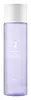
This hydrating toner is formulated around Niacinamide and Sodium Hyaluronate to hydrate skin and strengthen the skin barrier.
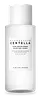
This brightening toner is formulated around Centella Asiatica Extract and Niacinamide to brighten dull-looking skin and fade the look of dark spots.

What's inside
What's inside
 Key Ingredients
Benefits
Concerns
No concerns
Ingredients Side-by-side
Onsen-Sui 89%
1,2-Hexanediol
Skin Conditioning
Methylpropanediol
SolventGlycerin
Humectant

Niacinamide
Smoothing









Sorbitol
Humectant
Xylitol
Humectant
Hydroxyethyl Urea
Humectant
Sodium Polystyrene Sulfonate
Emulsion StabilisingSodium Hyaluronate
Humectant
Sodium Hyaluronate Crosspolymer
Humectant
Hydrolyzed Hyaluronic Acid
Humectant
Hyaluronic Acid
Humectant
Hydrolyzed Sodium Hyaluronate
Skin Conditioning
Morinda Citrifolia Extract
AstringentCarica Papaya Fruit Extract
Skin ConditioningButylene Glycol
Humectant
Madecassoside
Antioxidant
Centella Asiatica Extract
Cleansing
Chamomilla Recutita Flower Extract
Masking
Rosmarinus Officinalis Leaf Extract
AntimicrobialGlycyrrhiza Glabra Root Extract
Bleaching
Pentylene Glycol
Skin Conditioning
Polygonum Cuspidatum Root Extract
Antioxidant
Scutellaria Baicalensis Root Extract
Astringent
Camellia Sinensis Leaf Extract
Antimicrobial
Gluconolactone
Chelating
Water
Skin ConditioningHydroxyethylcellulose
Emulsion StabilisingPolyglyceryl-10 Laurate
Skin Conditioning

Betaine Salicylate
Antimicrobial

Polyquaternium-51
Skin Conditioning
Disodium EDTA
ChelatingParfum
Masking


Onsen-Sui 89%, 1,2-Hexanediol, Methylpropanediol, Glycerin, Niacinamide, Sorbitol, Xylitol, Hydroxyethyl Urea, Sodium Polystyrene Sulfonate, Sodium Hyaluronate, Sodium Hyaluronate Crosspolymer, Hydrolyzed Hyaluronic Acid, Hyaluronic Acid, Hydrolyzed Sodium Hyaluronate, Morinda Citrifolia Extract, Carica Papaya Fruit Extract, Butylene Glycol, Madecassoside, Centella Asiatica Extract, Chamomilla Recutita Flower Extract, Rosmarinus Officinalis Leaf Extract, Glycyrrhiza Glabra Root Extract, Pentylene Glycol, Polygonum Cuspidatum Root Extract, Scutellaria Baicalensis Root Extract, Camellia Sinensis Leaf Extract, Gluconolactone, Water, Hydroxyethylcellulose, Polyglyceryl-10 Laurate, Betaine Salicylate, Polyquaternium-51, Disodium EDTA, Parfum
Centella Asiatica Extract
Cleansing
1,2-Hexanediol
Skin Conditioning
Niacinamide
Smoothing
Pentylene Glycol
Skin Conditioning
Butylene Glycol
Humectant
Glycerin
Humectant
Propanediol
Solvent
Betaine
Humectant
Allantoin
Skin Conditioning
Panthenol
Skin Conditioning
Madecassoside
Antioxidant
Xylitylglucoside
Humectant
Anhydroxylitol
Humectant
Xylitol
Humectant
3-O-Ethyl Ascorbic Acid
Skin Conditioning
Prunus Mume Fruit Extract
Humectant
Pyrus Malus Fruit Extract
Skin Conditioning
Carica Papaya Fruit Extract
Skin ConditioningVitis Vinifera Fruit Extract
Skin ConditioningCaprylic/Capric Triglyceride
Masking
Water
Skin ConditioningGlucose
Humectant
Disodium EDTA
ChelatingXanthan Gum
EmulsifyingEthylhexylglycerin
Skin ConditioningCentella Asiatica Extract, 1,2-Hexanediol, Niacinamide, Pentylene Glycol, Butylene Glycol, Glycerin, Propanediol, Betaine, Allantoin, Panthenol, Madecassoside, Xylitylglucoside, Anhydroxylitol, Xylitol, 3-O-Ethyl Ascorbic Acid, Prunus Mume Fruit Extract, Pyrus Malus Fruit Extract, Carica Papaya Fruit Extract, Vitis Vinifera Fruit Extract, Caprylic/Capric Triglyceride, Water, Glucose, Disodium EDTA, Xanthan Gum, Ethylhexylglycerin
Reviews
Ingredients Explained
These ingredients are found in both products.
Ingredients higher up in an ingredient list are typically present in a larger amount.
1,2-Hexanediol is a synthetic liquid and another multi-functional powerhouse.
It is a:
- Humectant, drawing moisture into the skin
- Emollient, helping to soften skin
- Solvent, dispersing and stabilizing formulas
- Preservative booster, enhancing the antimicrobial activity of other preservatives
Butylene Glycol (or BG) is used within cosmetic products for a few different reasons:
Overall, Butylene Glycol is a safe and well-rounded ingredient that works well with other ingredients.
Though this ingredient works well with most skin types, some people with sensitive skin may experience a reaction such as allergic rashes, closed comedones, or itchiness.
Learn more about Butylene GlycolCarica Papaya Fruit Extract comes from the flesh of the papaya. It's a skin conditioning agent that carries a mix of bioactives like papain, beta-carotene, and vitamin C.
These bioactive compounds give it two main talking points:
1. Papain is a proteolytic enzyme that provides mild exfoliation, helping skin look smoother and more even.
2. The carotenoids and vitamin C provide some antioxidant activity.
It's pretty compatible with most ingredients, but just sure to space out enzyme products with strong acids/retinoids to avoid over-doing it.
Maximum reported concentration is around 0.1% and most leave-on products use just 0.05%. If you see higher figures like 5-10%, this is usually the pre-diluted material from raw extract suppliers.
This ingredient has an assuring safety record and there's a lack of clinical case reports of dermatitis from using it.
The only caveat is allergy: patch test if you have a papaya or latex-fruit allergy.
Learn more about Carica Papaya Fruit ExtractCentella Asiatica Extract (Centella) is one of the most researched botanical extracts in skincare with decades of studies backing its effects on inflammation, collagen, and the skin barrier.
That research keeps pointing back to the same four triterpenoid saponins: Asiaticoside, Madecassoside, Asiatic Acid, and Madecassic Acid.
These compounds allow centella to dial back inflammation, encourage the skin to build and hold onto collagen, support the barrier and hydration, and bring solid antioxidant activity to protect against signs of aging.
Centella also carries a nice supporting cast of Vitamin A, vitamin C, several B vitamins, and amino acids. Put it all together and you get an ingredient that soothes, hydrates, and protects, all at once.
Most of centella's magic comes from the four big compounds (Asiaticoside, Madecassoside, Asiatic Acid, and Madecassic Acid). These are the actives doing the heavy lifting in almost every centella study.
Here is the short version of what they do in the skin:
So it is not just soothing for the sake of soothing. Centella calms the skin AND helps it rebuild.
Just FYI, not all centella on an ingredient list is the same. What you are getting actually depends on the extract:
Fun fact on the ratios: the leaves tend to be richest in Madecassoside and Asiaticoside, and lower in the two acids. The exact amounts shift with where the plant is grown and how it is processed. This means purity really does vary brand to brand.
Centella is one of the most easygoing actives out there.
It layers well with basically everything: niacinamide, hyaluronic acid, peptides, and vitamin C, and also pairs nicely with stronger actives like retinoids and exfoliating acids where it can help take the edge off irritation.
On the safety side, centella and its triterpenes are classified as weak sensitizers, meaning allergic reactions are possible but uncommon.
Patch tests at 1% and 5% came back negative in test panels, and creams at typical use levels did not cause allergic reactions across large groups of people.
But as with any new active, a patch test is still a smart move for very reactive skin.
Centella is widely used because it is effective at low percentages. For context, human safety testing found no meaningful irritation from creams containing centella extract at everyday use levels (the tested amounts were well under 1%).
The irritancy threshold in animal testing was also above 30% (so real-world formulas sit far below anything concerning).
In collagen lab studies, higher concentrations drove more collagen synthesis, so serums built around centella tend to feature it more prominently.
Bottom line: you will find centella working nicely anywhere from a fraction of a percent up to hero-ingredient levels depending on whether it is a supporting soother or the main event.
Fun fact: Centella has been used as a medicine and in food for many centuries. As a medicine, it is used to treat burns, scratches, and wounds.
Learn more about Centella Asiatica ExtractDisodium EDTA is a chelating agent. It grabs onto and deactivates metal ions that sneak into your products from water, packaging, or air.
This ingredient mainly works behind the scenes and helps with:
On top of that, this ingredient can counteract the effects of hard water by binding to the minerals in it.
One thing worth knowing is that Disodium EDTA has been shown to be a mild penetration enhancer. It can help other ingredients absorb into skin more effectively which can be a double-edged sword (great for actives, but can also make the active too strong if you have sensitive skin).
Clinical patch testing showed no significant skin irritation at typical use concentrations and minimal dermal absorption.
You'll most likely see this ingredient near the end of an ingredient list. It's typically found in concentrations less than 1%.
Learn more about Disodium EDTAGlycerin (or glycerol) is a compound naturally found in your skin. It's a powerhouse humectant that pulls water into the stratum corneum.
Topically, glycerin does several things at once:
Your skin makes glycerin on its own (mostly from sebaceous oil breakdown) and shuttles it to your outermost layer of skin, or your epidermis, via aquaporin-3.
Aquaporin-3 is a transporter that is essential for normal skin hydration, elasticity, and repair. Interestingly, mice lacking in AQP3 have dry and less elastic skin that can be fully corrected with glycerin.
This ingredient is non-irritating, plays well with almost every ingredient, and works across all skin types. Typical use is anywhere between 3-10% but can go up to 79% in some leave-on products.
Just know very high concentrations (>40%) can feel tacky in low humidity.
Glycerin is the name for this ingredient in American English. British English uses Glycerol/Glycerine.
Learn more about GlycerinMadecassoside is one of four active compounds found in Centella asiatica and is one of the main reasons Centella is so effective at calming irritated skin and supporting the moisture barrier.
There's a solid body of peer-reviewed research backing Madecassoside for several skin benefits. Studies have found:
Madecassoside pairs well with other hydrating or antioxidant ingredients like Ascorbic Acid or Hyaluronic Acid.
Learn more about MadecassosideNiacinamide is a multitasking form of vitamin B3 that strengthens the skin barrier, reduces pores and dark spots, regulates oil, and improves signs of aging.
And the best part? It's gentle and well-tolerated by most skin types, including sensitive and reactive skin.
You might have heard of "niacin flush", or the reddening of skin that causes itchiness. Niacinamide has not been found to cause this.
In very rare cases, some individuals may not be able to tolerate niacinamide at all or experience an allergic reaction to it.
If you are experiencing flaking, irritation, and dryness with this ingredient, be sure to double check all your products as this ingredient can be found in all categories of skincare.
When incorporating niacinamide into your routine, look out for concentration amounts. Typically, 5% niacinamide provides benefits such as fading dark spots. However, if you have sensitive skin, it is better to begin with a smaller concentration.
When you apply niacinamide to your skin, your body converts it into nicotinamide adenine dinucleotide (NAD). NAD is an essential coenzyme that is already found in your cells as "fuel" and powers countless biological processes.
In your skin, NAD helps repair cell damage, produce new healthy cells, support collagen production, strengthen the skin barrier, and fight environmental stressors (like UV and pollution).
Our natural NAD levels start to decline with age, leading to slower skin repair, visible aging, and a weaker skin barrier. By providing your skin niacinamide, you're recharging your skin's NAD levels. This leads to stronger, healthier, and younger looking skin.
Another name for vitamin B3 is nicotinamide. This vitamin is water-soluble and our bodies don't store it. We obtain Vitamin B3 from either food or skincare. Meat, fish, wheat, yeast, and leafy greens contain vitamin B3.
The type of niacinamide used in skincare is synthetically created.
Learn more about NiacinamidePentylene Glycol (1,2-pentanediol) is a multitasking little diol with three main roles in a formula:
Research on alkanediols (the family pentylene glycol belongs to) show they work by disrupting microbial cell membranes. This disruption helps the primary preservative system in a product work more effectively at lower doses.
On the safety side, the Cosmetic Ingredient Review Expert Panel has concluded this ingredient to be safe as used in current cosmetic practices + concentrations.
Typical use levels in a formula run about 1-5%.
Learn more about Pentylene GlycolWater. It's the most common cosmetic ingredient of all. You'll usually see it at the top of ingredient lists, meaning that it makes up the largest part of the product.
So why is it so popular? Water most often acts as a solvent - this means that it helps dissolve other ingredients into the formulation.
You'll also recognize water as that liquid we all need to stay alive. If you see this, drink a glass of water. Remember to stay hydrated!
Learn more about WaterXylitol is a humectant and prebiotic. It can help with dry skin.
In studies, xylitol has been shown to improve dry skin. It decreased transepidermal water loss, or when water passes through the skin and evaporates. Xylitol also showed to help improve the biomechanical properties of the skin barrier.
The prebiotic property of xylitol may also help reinforce our skin's natural microbiome. Having a healthy microbiome prevents infection by bad bacteria and helps with hydration.
As a humectant, Xylitol helps draw moisture from both the air and from deeper skin layers. This helps keep skin hydrated.
Xylitol is a sugar alcohol and commonly used as a sugar substitute. It is naturally occurring in plants such as strawberries and pumpkin.
Learn more about Xylitol


