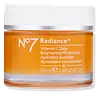
This brightening day moisturizer is formulated around Ascorbyl Glucoside and Tocopheryl Acetate to brighten dull-looking skin and fade the look of dark spots.
This brightening day moisturizer is formulated around Tetrahexyldecyl Ascorbate and Squalane to brighten dull-looking skin and hydrate skin.


What's inside
What's inside
 Key Ingredients
Benefits
Concerns
Ingredients Side-by-side
Water
Skin ConditioningGlycerin
Humectant


Caprylic/Capric Triglyceride
Masking
Butylene Glycol
Humectant
Dimethicone
Emollient
Ethylhexyl Stearate
Emollient




Sodium Polyacrylate
Absorbent
Alcohol Denat.
Antimicrobial


Ascorbyl Glucoside
Antioxidant



Acrylates/C10-30 Alkyl Acrylate Crosspolymer
Emulsion StabilisingPhenoxyethanol
Preservative
Panthenol
Skin Conditioning

Tocopheryl Acetate
Antioxidant
Polysorbate 20
Emulsifying
Xanthan Gum
EmulsifyingParfum
Masking

Potassium Hydroxide
BufferingCaprylyl Glycol
Emollient
Sodium Benzoate
Masking
Propylene Glycol
Humectant
Ethylhexylglycerin
Skin ConditioningTetrasodium EDTA
ChelatingPanax Ginseng Root Extract
Emollient
Morus Alba Leaf Extract
Skin ConditioningMethyl Benzoate
Perfuming
CI 19140
Cosmetic ColorantCI 14700
Cosmetic ColorantWater, Glycerin, Caprylic/Capric Triglyceride, Butylene Glycol, Dimethicone, Ethylhexyl Stearate, Sodium Polyacrylate, Alcohol Denat., Ascorbyl Glucoside, Acrylates/C10-30 Alkyl Acrylate Crosspolymer, Phenoxyethanol, Panthenol, Tocopheryl Acetate, Polysorbate 20, Xanthan Gum, Parfum, Potassium Hydroxide, Caprylyl Glycol, Sodium Benzoate, Propylene Glycol, Ethylhexylglycerin, Tetrasodium EDTA, Panax Ginseng Root Extract, Morus Alba Leaf Extract, Methyl Benzoate, CI 19140, CI 14700
Water
Skin ConditioningCaprylic/Capric Triglyceride
Masking
Tetrahexyldecyl Ascorbate
Antioxidant

Glycerin
Humectant
Sodium Acrylates Copolymer
Caprylyl Glycol
Emollient
Dimethicone
Emollient
Lauryl Laurate
Skin Conditioning
Polysorbate 20
Emulsifying
Squalane
Emollient
Leuconostoc/Radish Root Ferment Filtrate
Antimicrobial
Isomalt
HumectantPropanediol
Solvent
Sodium Polyacrylate
Absorbent
Sodium Stearoyl Glutamate
CleansingCitrus Aurantium Dulcis Callus Culture Extract
Skin ConditioningHamamelis Virginiana Water
Astringent
Alcohol Denat.
Antimicrobial
Xanthan Gum
EmulsifyingSodium Gluconate
ChelatingCamellia Sinensis Leaf Extract
Antimicrobial
Sodium Hyaluronate
Humectant
Sodium Polygamma-Glutamate
Emulsion StabilisingAlcohol
Antimicrobial
Dimethylmethoxy Chromanol
Antioxidant
Citrus Limon Peel Oil
Masking


Rosa Damascena Flower Oil
Masking
Citrus Aurantium Dulcis Peel Oil
Masking
Citrus Grandis Peel Oil
Masking
Citrus Paradisi Peel Oil
Masking
Aspalathus Linearis Extract
Skin ConditioningMadecassoside
Antioxidant
Saccharide Isomerate
Humectant
Ergothioneine
Antioxidant
Ellagic Acid
Skin Conditioning
Ascorbic Acid
Antioxidant
Phytol
Emollient
Citric Acid
Buffering
Sodium Hydroxide
BufferingWater, Caprylic/Capric Triglyceride, Tetrahexyldecyl Ascorbate, Glycerin, Sodium Acrylates Copolymer, Caprylyl Glycol, Dimethicone, Lauryl Laurate, Polysorbate 20, Squalane, Leuconostoc/Radish Root Ferment Filtrate, Isomalt, Propanediol, Sodium Polyacrylate, Sodium Stearoyl Glutamate, Citrus Aurantium Dulcis Callus Culture Extract, Hamamelis Virginiana Water, Alcohol Denat., Xanthan Gum, Sodium Gluconate, Camellia Sinensis Leaf Extract, Sodium Hyaluronate, Sodium Polygamma-Glutamate, Alcohol, Dimethylmethoxy Chromanol, Citrus Limon Peel Oil, Rosa Damascena Flower Oil, Citrus Aurantium Dulcis Peel Oil, Citrus Grandis Peel Oil, Citrus Paradisi Peel Oil, Aspalathus Linearis Extract, Madecassoside, Saccharide Isomerate, Ergothioneine, Ellagic Acid, Ascorbic Acid, Phytol, Citric Acid, Sodium Hydroxide
Ingredients Explained
These ingredients are found in both products.
Ingredients higher up in an ingredient list are typically present in a larger amount.
Alcohol Denat. is an alcohol with a denaturant property. It is created by mixing ethanol with other additives.
The "denat" part just means "denatured"; common denaturants include Denatonium Benzoate, t-butyl alcohol, and Diethyl Phthalate. This step makes the alcohol undrinkable (and lets brand skip taxes related to beverage alcohol).
This ingredient gets a bad rep because it is irritating and drying due to its astringent property. Astringents draw out natural oils in tissue to constrict pores and dry out your skin.
However, alcohol denat. is not all that bad.
Due to its low molecular weight, alcohol denat. tends to evaporate quickly. One study on pig skin found half of applied alcohol evaporated in 10 seconds and less than 3% stayed on skin.
This also helps other ingredients become better absorbed upon application.
Studies are conflicted about whether this ingredient causes skin dehydration. One study from 2005 found adding emollients to propanol-based sanitizer decreased skin dryness and irritation. Another study found irritation only occurs if your skin is already damaged.
Small amounts of alcohol are generally tolerated by oily skin or people who live in humid environments.
The rule of thumb is this ingredient will probably not affect your skin much if it is near the end of an ingredients list.
One thing to note:
People with ALDH2 (aldehyde dehydrogenase 2) deficiency may experience skin irritation from continued alcohol use. About 8% of the world's population have this deficiency.
The Cosmetic Ingredient Review Expert Panel has determined denatured alcohols to be safe for use in concentrations between 0.05% and 12% (depending on which denaturant is used).
Also...
This ingredient has antimicrobial and solvent properties.
The antimicrobial property helps preserve products and increase their shelf life. As a solvent, it helps dissolve other ingredients.
Look for formulas that contain glycerin, hyaluronic acid, or panthenol if you want to offset any drying effect.
This ingredient will trip away your skin's natural oils/lipids that help it lock in moisture. This can worsen dryness, trigger eczema flare-ups, and aggravate rosacea.
Be sure to patch test any product with this ingredient if you have dry or sensitive skin, eczema, or rosacea.
Learn more about Alcohol Denat.Caprylic/Capric Triglyceride (aka MCT Oil) is a lightweight emollient, solvent, and texture enhancer. It is considered a skin-softener by helping to prevent moisture loss.
Though it behaves like an oil, it is not technically one due to its chemical composition. One perk of this ingredient is that it is very stable, resistant to oxidation, and unlikely to go rancid.
In practice, that translates to a long shelf life and a consistently elegant skin feel.
While there is an assumption Caprylic Triglyceride can clog pores due to it being derived from coconut oil, there is no research supporting this. Just patch test if you have concerns.
Fractionated coconut oil and MCT Oil are both listed as Caprylic/Capric Triglyceride according to INCI. This is because INCI names are based on the ingredient’s final chemical composition and not its marketing name or source.
This ingredient is treated as the gold standard fungal acne safe oil. Even though it is coconut derived, the problematic lauric acid is stripped out.
This leaves just caprylic (C8) and capric (C10) acid. These chain lengths actually trend antifungal; a 2020 study found caprylic acid was enough to disrupt Malassezia furfur cell membrane, with a caprylic acid derivative damaging membrane structures at concentrations as low as 0.2%.
Learn more about Caprylic/Capric TriglycerideCaprylyl Glycol is a humectant, skin conditioner, emollient, and preservative booster derived from either caprylic acid or synthetically created.
Typical use levels vary from 0.3-1% as a preservative booster and go up to 2% to condition skin.
Because it is not a free-fatty acid, this ingredient is fungal acne safe (there's nothing for Malassezia to feed on).
Learn more about Caprylyl GlycolDimethicone is a type of synthetic silicone created from natural materials such as quartz. It is also known as polydimethylsiloxane.
What it does:
Dimethicone comes in different viscosities:
Depending on the viscosity, dimethicone has different properties.
Ingredients lists don't always show which type is used, so we recommend reaching out to the brand if you have questions about the viscosity.
This ingredient is unlikely to cause irritation because it does not get absorbed into skin. However, people with silicone allergies should be careful about using this ingredient.
Note: Dimethicone may contribute to pilling. This is because it is not oil or water soluble, so pilling may occur when layered with products. When mixed with heavy oils in a formula, the outcome is also quite greasy.
Learn more about DimethiconeGlycerin (or glycerol) is a compound naturally found in your skin. It's a powerhouse humectant that pulls water into the stratum corneum.
Topically, glycerin does several things at once:
Your skin makes glycerin on its own (mostly from sebaceous oil breakdown) and shuttles it to your outermost layer of skin, or your epidermis, via aquaporin-3.
Aquaporin-3 is a transporter that is essential for normal skin hydration, elasticity, and repair. Interestingly, mice lacking in AQP3 have dry and less elastic skin that can be fully corrected with glycerin.
This ingredient is non-irritating, plays well with almost every ingredient, and works across all skin types. Typical use is anywhere between 3-10% but can go up to 79% in some leave-on products.
Just know very high concentrations (>40%) can feel tacky in low humidity.
Glycerin is the name for this ingredient in American English. British English uses Glycerol/Glycerine.
Learn more about GlycerinPolysorbate 20 is a gentle, water-soluble emulsifier and mild surfactant. It stops oil and water from separating to keep your formulas blended and stable.
It also acts as a mild penetration enhancer by helping active ingredients absorb slightly better.
The common safety discussion around this ingredient involves a manufacturing byproduct called 1,4-dioxane.
Trace amounts can form during production but the EU's Scientific Committee on Consumer Safety has concluded that levels at/below 10 ppm in finished products are safe (commercial products consistently fall within acceptable margins).
True allergic reactions are uncommon and the CIR Expert Panel has confirmed this ingredient to be safe as used in cosmetics.
Because it is derived from lauric acid, it may not be fungal acne safe.
Learn more about Polysorbate 20Sodium Polyacrylate is the sodium salt of polyacrylic acid. It is used as an absorber, emollient, and stabilizer.
This ingredient is a super-absorbent polymer - meaning it can absorb 100 to 1000 times its mass in water. As an emollient, Sodium Polyacrylate helps soften and soothe skin. Emollients work by creating a barrier to trap moisture in. This helps keep your skin hydrated.
Water. It's the most common cosmetic ingredient of all. You'll usually see it at the top of ingredient lists, meaning that it makes up the largest part of the product.
So why is it so popular? Water most often acts as a solvent - this means that it helps dissolve other ingredients into the formulation.
You'll also recognize water as that liquid we all need to stay alive. If you see this, drink a glass of water. Remember to stay hydrated!
Learn more about WaterXanthan gum is used as a stabilizer and thickener within cosmetic products. It helps give products a sticky, thick feeling - preventing them from being too runny.
On the technical side of things, xanthan gum is a polysaccharide - a combination consisting of multiple sugar molecules bonded together.
Xanthan gum is a pretty common and great ingredient. It is a natural, non-toxic, non-irritating ingredient that is also commonly used in food products.
Learn more about Xanthan Gum

