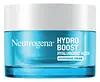
Neutrogena Hydro Boost Hyaluronic Acid Nourishing Cream Versus Etude House Soon Jung 10-Free Moist Emulsion
This barrier-repair moisturizer is formulated around Sodium Hyaluronate and Urea to strengthen the skin barrier and hydrate skin.


What's inside
What's inside
 Key Ingredients
Benefits
Concerns
Ingredients Side-by-side
Water
Skin ConditioningGlycerin
Humectant


Isopropyl Palmitate
Emollient




Cetyl Alcohol
Emollient

Cetearyl Olivate
Sorbitan Olivate
Emulsifying
C10-30 Cholesterol/Lanosterol Esters
Emulsifying
Caprylyl Glycol
Emollient
Ethylhexylglycerin
Skin ConditioningBetaine
Humectant
Dimethicone
Emollient
Palmitic Acid
Emollient
Stearic Acid
Cleansing
Polyacrylate Crosspolymer-6
Emulsion StabilisingPentylene Glycol
Skin Conditioning
Sodium PCA
Humectant
Fructose
Humectant
Sodium Hyaluronate
Humectant


Sodium Lactate
Buffering
Urea
Buffering

Sodium Hydroxide
BufferingCitric Acid
Buffering

PCA
Humectant
1,2-Hexanediol
Skin Conditioning
Maltose
MaskingCeramide NP
Skin Conditioning
Serine
Masking
Alanine
Masking
Sodium Chloride
MaskingTrehalose
Humectant
Glycine
Buffering
Allantoin
Skin Conditioning
Glutamic Acid
Humectant
Lysine Hcl
Skin Conditioning
Arginine
Masking
Threonine
Tropolone
Skin ConditioningGlucose
Humectant
Proline
Skin Conditioning
Water, Glycerin, Isopropyl Palmitate, Cetyl Alcohol, Cetearyl Olivate, Sorbitan Olivate, C10-30 Cholesterol/Lanosterol Esters, Caprylyl Glycol, Ethylhexylglycerin, Betaine, Dimethicone, Palmitic Acid, Stearic Acid, Polyacrylate Crosspolymer-6, Pentylene Glycol, Sodium PCA, Fructose, Sodium Hyaluronate, Sodium Lactate, Urea, Sodium Hydroxide, Citric Acid, PCA, 1,2-Hexanediol, Maltose, Ceramide NP, Serine, Alanine, Sodium Chloride, Trehalose, Glycine, Allantoin, Glutamic Acid, Lysine Hcl, Arginine, Threonine, Tropolone, Glucose, Proline
Water
Skin ConditioningGlycerin
Humectant
Propanediol
Solvent
Pentaerythrityl Tetraethylhexanoate
Emollient
Squalane
Emollient
Panthenol
Skin Conditioning
Cetearyl Alcohol
Emollient
Ammonium Acryloyldimethyltaurate/Vp Copolymer
Polyglyceryl-3 Methylglucose Distearate
Emulsifying
Glyceryl Stearate
Emollient
Stearic Acid
Cleansing
Hydrogenated Lecithin
Emulsifying
Xanthan Gum
EmulsifyingGlyceryl Caprylate
EmollientDisodium EDTA
ChelatingHydroxypropyl Starch Phosphate
Ethylhexylglycerin
Skin ConditioningMadecassoside
Antioxidant
Butylene Glycol
Humectant
Camellia Sinensis Leaf Extract
Antimicrobial

Bis-Diglyceryl Polyacyladipate-2
Emollient
Tocopherol
Antioxidant

Water, Glycerin, Propanediol, Pentaerythrityl Tetraethylhexanoate, Squalane, Panthenol, Cetearyl Alcohol, Ammonium Acryloyldimethyltaurate/Vp Copolymer, Polyglyceryl-3 Methylglucose Distearate, Glyceryl Stearate, Stearic Acid, Hydrogenated Lecithin, Xanthan Gum, Glyceryl Caprylate, Disodium EDTA, Hydroxypropyl Starch Phosphate, Ethylhexylglycerin, Madecassoside, Butylene Glycol, Camellia Sinensis Leaf Extract, Bis-Diglyceryl Polyacyladipate-2, Tocopherol
Reviews
Ingredients Explained
These ingredients are found in both products.
Ingredients higher up in an ingredient list are typically present in a larger amount.
Ethylhexylglycerin is created from glycerin. It is a multitasker ingredient that:
The CIR Expert Panel found minimal skin absorption or sensitization of any kind in a safety assessment. Though this ingredient is considered well-tolerated, a small number of cases of allergic dermatitis have been published since 2002. Just be sure to patch test if you are unsure.
Industry-reported use ranges from 8% in rinse-off products and 2% in leave-on formulations.
Learn more about EthylhexylglycerinGlycerin (or glycerol) is a compound naturally found in your skin. It's a powerhouse humectant that pulls water into the stratum corneum.
Topically, glycerin does several things at once:
Your skin makes glycerin on its own (mostly from sebaceous oil breakdown) and shuttles it to your outermost layer of skin, or your epidermis, via aquaporin-3.
Aquaporin-3 is a transporter that is essential for normal skin hydration, elasticity, and repair. Interestingly, mice lacking in AQP3 have dry and less elastic skin that can be fully corrected with glycerin.
This ingredient is non-irritating, plays well with almost every ingredient, and works across all skin types. Typical use is anywhere between 3-10% but can go up to 79% in some leave-on products.
Just know very high concentrations (>40%) can feel tacky in low humidity.
Glycerin is the name for this ingredient in American English. British English uses Glycerol/Glycerine.
Learn more about GlycerinStearic Acid is a fatty acid that is already found in your skin. It's one of the free fatty acids that works alongside ceramides and cholesterols to maintain your barrier.
In cosmetics, it is a multitasker:
Safety-wise, the CIR Expert Panel has concluded it to be safe in cosmetics when formulated to be non-irritating and non-sensitizing.
Free stearic acid is a C18 fatty acid that the Malassezia yeast can substrate, so this ingredient may not be fungal acne safe.
Learn more about Stearic AcidWater. It's the most common cosmetic ingredient of all. You'll usually see it at the top of ingredient lists, meaning that it makes up the largest part of the product.
So why is it so popular? Water most often acts as a solvent - this means that it helps dissolve other ingredients into the formulation.
You'll also recognize water as that liquid we all need to stay alive. If you see this, drink a glass of water. Remember to stay hydrated!
Learn more about Water

