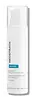
This calming serum is formulated around Gluconolactone and Lactobionic Acid to calm redness and refine skin texture.
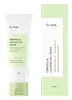
This calming moisturizer is formulated around Centella Asiatica Leaf Water and Melaleuca Alternifolia Leaf Water to calm redness and strengthen the skin barrier.


What's inside
What's inside
 Key Ingredients
Benefits
Concerns
Ingredients Side-by-side
Water
Skin ConditioningButylene Glycol
Humectant

Gluconolactone
Chelating







Isocetyl Stearate
Emollient




Hydrogenated Polydecene
EmollientArginine
Masking
Glyceryl Stearate
Emollient
Cetearyl Alcohol
Emollient

PEG-100 Stearate
Surfactant
Lactobionic Acid
Buffering
Dimethicone
Emollient
Magnesium Aluminum Silicate
Absorbent
Aesculus Hippocastanum Seed Extract
Skin ConditioningAscophyllum Nodosum Extract
Skin Conditioning
Tocopheryl Acetate
Antioxidant

Palmitoyl Tripeptide-8
Skin Conditioning


Asparagopsis Armata Extract
Skin Protecting
Camellia Sinensis Leaf Extract
Antimicrobial
Epilobium Angustifolium Flower/Leaf/Stem Extract
Skin ConditioningAmmonium Glycyrrhizate
MaskingCaffeine
Skin Conditioning
Bisabolol
Antioxidant
Zinc Gluconate
Skin Conditioning
Sorbitol
Humectant
Mannitol
Humectant
Ammonium Hydroxide
BufferingPropylene Glycol
Humectant
Dextran
Disodium EDTA
ChelatingXanthan Gum
EmulsifyingCaprylyl Glycol
Emollient
Isopropyl Titanium Triisostearate
Emollient
Phenoxyethanol
Preservative
Chlorphenesin
Antimicrobial
CI 77288
Cosmetic ColorantWater, Butylene Glycol, Gluconolactone, Isocetyl Stearate, Hydrogenated Polydecene, Arginine, Glyceryl Stearate, Cetearyl Alcohol, PEG-100 Stearate, Lactobionic Acid, Dimethicone, Magnesium Aluminum Silicate, Aesculus Hippocastanum Seed Extract, Ascophyllum Nodosum Extract, Tocopheryl Acetate, Palmitoyl Tripeptide-8, Asparagopsis Armata Extract, Camellia Sinensis Leaf Extract, Epilobium Angustifolium Flower/Leaf/Stem Extract, Ammonium Glycyrrhizate, Caffeine, Bisabolol, Zinc Gluconate, Sorbitol, Mannitol, Ammonium Hydroxide, Propylene Glycol, Dextran, Disodium EDTA, Xanthan Gum, Caprylyl Glycol, Isopropyl Titanium Triisostearate, Phenoxyethanol, Chlorphenesin, CI 77288
Centella Asiatica Leaf Water
Skin Conditioning
Butylene Glycol
Humectant
Melaleuca Alternifolia Leaf Water
Antimicrobial
Water
Skin Conditioning1,2-Hexanediol
Skin Conditioning
Niacinamide
Smoothing

Methyl Trimethicone
Skin Conditioning
Acrylates/C10-30 Alkyl Acrylate Crosspolymer
Emulsion StabilisingArginine
Masking
Caprylyl Glycol
Emollient
Dimethicone
Emollient
Dimethicone/Vinyl Dimethicone Crosspolymer
Skin Conditioning
Centella Asiatica Extract
Cleansing
Allantoin
Skin Conditioning
Melaleuca Alternifolia Leaf Extract
Perfuming
Ethylhexylglycerin
Skin ConditioningAdenosine
Skin Conditioning
Dipotassium Glycyrrhizate
Humectant
Citrus Aurantium Bergamia Fruit Oil
Masking


Pentylene Glycol
Skin Conditioning
Sodium Hyaluronate
Humectant
Medicago Sativa Extract
TonicBrassica Oleracea Italica Extract
AstringentTriticum Vulgare Sprout Extract
Skin ConditioningBrassica Oleracea Capitata Leaf Extract
Skin ConditioningBrassica Campestris Extract
Skin ConditioningRaphanus Sativus Seed Extract
Skin ConditioningAspalathus Linearis Extract
Skin ConditioningGlycyrrhiza Glabra Root Extract
Bleaching
Commiphora Myrrha Resin Extract
Skin ConditioningPerilla Frutescens Leaf Extract
MaskingCentella Asiatica Leaf Water, Butylene Glycol, Melaleuca Alternifolia Leaf Water, Water, 1,2-Hexanediol, Niacinamide, Methyl Trimethicone, Acrylates/C10-30 Alkyl Acrylate Crosspolymer, Arginine, Caprylyl Glycol, Dimethicone, Dimethicone/Vinyl Dimethicone Crosspolymer, Centella Asiatica Extract, Allantoin, Melaleuca Alternifolia Leaf Extract, Ethylhexylglycerin, Adenosine, Dipotassium Glycyrrhizate, Citrus Aurantium Bergamia Fruit Oil, Pentylene Glycol, Sodium Hyaluronate, Medicago Sativa Extract, Brassica Oleracea Italica Extract, Triticum Vulgare Sprout Extract, Brassica Oleracea Capitata Leaf Extract, Brassica Campestris Extract, Raphanus Sativus Seed Extract, Aspalathus Linearis Extract, Glycyrrhiza Glabra Root Extract, Commiphora Myrrha Resin Extract, Perilla Frutescens Leaf Extract
Reviews
Ingredients Explained
These ingredients are found in both products.
Ingredients higher up in an ingredient list are typically present in a larger amount.
Arginine is a semi-essential amino acid. This just means our bodies can product a bit on its own, but sometimes needs a little boost from food sources.
It is a part of your skin's natural moisturizing factor (NMF), or the water-loving molecules in your outermost layer of skin (stratum corneum) that keeps everything hydrated and happy.
Here's an interesting thing about Arginine: your skin converts it into urea through the Krebs-Henseleit urea cycle. Urea is one of the most effective humectants your skin naturally produces.
A clinical study showed applying 2.5% arginine hydrochloride to atopic dermatitis skin showed significant urea levels in the stratum corneum and improved moisture in just four weeks.
Arginine is also a precursor to nitric oxide; nitric oxide improves microcirculation and supports wound healing and collagen synthesis.
One study found that an amino acid complex containing Arginine reduced skin irritation, improved hydration, and accelerated skin repair in clinical / in-vivo studies.
Arginine itself is an amino acid and not a fatty acid, oil, or ester. On its own, it's not a direct food source for Malassezia, or the yeast that causes fungal acne.
Learn more about ArginineButylene Glycol (or BG) is used within cosmetic products for a few different reasons:
Overall, Butylene Glycol is a safe and well-rounded ingredient that works well with other ingredients.
Though this ingredient works well with most skin types, some people with sensitive skin may experience a reaction such as allergic rashes, closed comedones, or itchiness.
Learn more about Butylene GlycolCaprylyl Glycol is a humectant, skin conditioner, emollient, and preservative booster derived from either caprylic acid or synthetically created.
Typical use levels vary from 0.3-1% as a preservative booster and go up to 2% to condition skin.
Because it is not a free-fatty acid, this ingredient is fungal acne safe (there's nothing for Malassezia to feed on).
Learn more about Caprylyl GlycolDimethicone is a type of synthetic silicone created from natural materials such as quartz. It is also known as polydimethylsiloxane.
What it does:
Dimethicone comes in different viscosities:
Depending on the viscosity, dimethicone has different properties.
Ingredients lists don't always show which type is used, so we recommend reaching out to the brand if you have questions about the viscosity.
This ingredient is unlikely to cause irritation because it does not get absorbed into skin. However, people with silicone allergies should be careful about using this ingredient.
Note: Dimethicone may contribute to pilling. This is because it is not oil or water soluble, so pilling may occur when layered with products. When mixed with heavy oils in a formula, the outcome is also quite greasy.
Learn more about DimethiconeWater. It's the most common cosmetic ingredient of all. You'll usually see it at the top of ingredient lists, meaning that it makes up the largest part of the product.
So why is it so popular? Water most often acts as a solvent - this means that it helps dissolve other ingredients into the formulation.
You'll also recognize water as that liquid we all need to stay alive. If you see this, drink a glass of water. Remember to stay hydrated!
Learn more about Water

