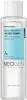
This barrier-repair toner is formulated around Bifida Ferment Lysate and Saccharomyces Ferment Filtrate to strengthen the skin barrier and hydrate skin.
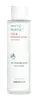
This calming toner is formulated around Centella Asiatica Extract and Houttuynia Cordata Extract to calm redness and strengthen the skin barrier.

What's inside
What's inside
 Key Ingredients
Benefits
Concerns
No concerns
Ingredients Side-by-side
Bifida Ferment Lysate
Skin Conditioning



Saccharomyces Ferment Filtrate
Humectant

Betula Alba Juice
AstringentRice Ferment Filtrate
Skin Conditioning

Water
Skin ConditioningAspergillus Ferment
Skin ConditioningPropanediol
Solvent
Polyglyceryl-4 Caprate
Emulsifying1,2-Hexanediol
Skin Conditioning
Glycereth-25 PCA Isostearate
Emulsifying
Camellia Sinensis Leaf Extract
Antimicrobial



Ethylhexylglycerin
Skin ConditioningSodium Lactate
Buffering
Sodium Gluconate
Skin ConditioningAllantoin
Skin Conditioning
Lactobacillus
Skin ConditioningDisodium EDTA
Tromethamine
BufferingMentha Piperita Oil
Masking






Gluconolactone
Skin Conditioning


Salicylic Acid
Masking

Panthenol
Skin Conditioning
Capryloyl Salicylic Acid
Exfoliating
Glycolic Acid
Buffering
Butylene Glycol
Humectant
Hyaluronic Acid
Humectant
Hydrolyzed Hyaluronic Acid
Humectant
Sodium Hyaluronate
Humectant
Bifida Ferment Lysate, Saccharomyces Ferment Filtrate, Betula Alba Juice, Rice Ferment Filtrate, Water, Aspergillus Ferment, Propanediol, Polyglyceryl-4 Caprate, 1,2-Hexanediol, Glycereth-25 PCA Isostearate, Camellia Sinensis Leaf Extract, Ethylhexylglycerin, Sodium Lactate, Sodium Gluconate, Allantoin, Lactobacillus, Disodium EDTA, Tromethamine, Mentha Piperita Oil, Gluconolactone, Salicylic Acid, Panthenol, Capryloyl Salicylic Acid, Glycolic Acid, Butylene Glycol, Hyaluronic Acid, Hydrolyzed Hyaluronic Acid, Sodium Hyaluronate
Water
Skin ConditioningDipropylene Glycol
Humectant1,2-Hexanediol
Skin Conditioning
Centella Asiatica Extract
Cleansing
Pentylene Glycol
Skin Conditioning
Piper Methysticum Leaf/Root/Stem Extract
Skin ConditioningHouttuynia Cordata Extract
Skin Conditioning
Solanum Melongena Fruit Extract
Skin ConditioningLonicera Japonica Flower Extract
Skin ConditioningForsythia Suspensa Fruit Extract
Antioxidant
Angelica Gigas Root Extract
Skin ConditioningCnidium Officinale Root Extract
Skin ConditioningGardenia Jasminoides Fruit Extract
Cosmetic ColorantCoptis Japonica Root Extract
Skin ConditioningGlycyrrhiza Uralensis Root Extract
Skin Conditioning
Hydrogenated Lecithin
Emulsifying
Sodium Citrate
BufferingCitric Acid
Buffering
Xanthan Gum
EmulsifyingDisodium EDTA
ChelatingGluconolactone
Chelating
Glycerin
Humectant
Octyldodeceth-16
EmulsifyingButylene Glycol
Humectant
Capryloyl Salicylic Acid
Exfoliating
Trehalose
Humectant
Ethylhexylglycerin
Skin ConditioningWater, Dipropylene Glycol, 1,2-Hexanediol, Centella Asiatica Extract, Pentylene Glycol, Piper Methysticum Leaf/Root/Stem Extract, Houttuynia Cordata Extract, Solanum Melongena Fruit Extract, Lonicera Japonica Flower Extract, Forsythia Suspensa Fruit Extract, Angelica Gigas Root Extract, Cnidium Officinale Root Extract, Gardenia Jasminoides Fruit Extract, Coptis Japonica Root Extract, Glycyrrhiza Uralensis Root Extract, Hydrogenated Lecithin, Sodium Citrate, Citric Acid, Xanthan Gum, Disodium EDTA, Gluconolactone, Glycerin, Octyldodeceth-16, Butylene Glycol, Capryloyl Salicylic Acid, Trehalose, Ethylhexylglycerin
Reviews
Ingredients Explained
These ingredients are found in both products.
Ingredients higher up in an ingredient list are typically present in a larger amount.
1,2-Hexanediol is a synthetic liquid and another multi-functional powerhouse.
It is a:
- Humectant, drawing moisture into the skin
- Emollient, helping to soften skin
- Solvent, dispersing and stabilizing formulas
- Preservative booster, enhancing the antimicrobial activity of other preservatives
Butylene Glycol (or BG) is used within cosmetic products for a few different reasons:
Overall, Butylene Glycol is a safe and well-rounded ingredient that works well with other ingredients.
Though this ingredient works well with most skin types, some people with sensitive skin may experience a reaction such as allergic rashes, closed comedones, or itchiness.
Learn more about Butylene GlycolCapryloyl Salicylic Acid comes from salicylic acid, the famous acne-fighting BHA.
It usually goes by a more common name of LHA, or lipohydroxy acid.
Like salicylic acid, this ingredient is a chemical exfoliant that can help break down the oil in your pores and reduce inflammation.
Though studies for LHA do show it to be less effective than salicylic acid. To be fair, salicylic acid is the reigning monarch of acne treatments.
However, a study from 2009 found LHA to be comparable to BPO, making it a good alternative for people with sensitive skin. Another study of 14 patients found a significant decrease in comedones after using LHA.
Another pro of LHA? It is less irritating than salicylic acid due to its large molecule size.
Large molecules cannot penetrate skin as well, so they are gentler on the skin. LHA is much less penetrative than salicylic acid.
An in-vitro study (not done on a living organism) found only 6% of LHA penetrated past the statum corneum compared to 58% of salicylic acid. An in-vivo (done on a living organism) analysis revealed ~17% of LHA was still present in the top layer of skin after 4 days, versus ~9% of salicylic acid.
Interestingly, a study from 2008 found LHA comparable to another famous acid, glycolic acid.
This study found about 10% of LHA is as effective as 20-50% of glycolic acid in treating hyperpigmentation and fine-lines.
Hydroxy acids have been found to stimulate skin protein, lipids, and thermal thickening. This may have anti-aging benefits.
Learn more about Capryloyl Salicylic AcidDisodium EDTA is a chelating agent. It grabs onto and deactivates metal ions that sneak into your products from water, packaging, or air.
This ingredient mainly works behind the scenes and helps with:
On top of that, this ingredient can counteract the effects of hard water by binding to the minerals in it.
One thing worth knowing is that Disodium EDTA has been shown to be a mild penetration enhancer. It can help other ingredients absorb into skin more effectively which can be a double-edged sword (great for actives, but can also make the active too strong if you have sensitive skin).
Clinical patch testing showed no significant skin irritation at typical use concentrations and minimal dermal absorption.
You'll most likely see this ingredient near the end of an ingredient list. It's typically found in concentrations less than 1%.
Learn more about Disodium EDTAEthylhexylglycerin is created from glycerin. It is a multitasker ingredient that:
The CIR Expert Panel found minimal skin absorption or sensitization of any kind in a safety assessment. Though this ingredient is considered well-tolerated, a small number of cases of allergic dermatitis have been published since 2002. Just be sure to patch test if you are unsure.
Industry-reported use ranges from 8% in rinse-off products and 2% in leave-on formulations.
Learn more about EthylhexylglycerinGluconolactone is a PHA. PHAs are a great gentle alternative to traditional AHAs.
When applied, Gluconolactone has the same affect on skin as AHAs such as lactic acid. It helps dissolve the dead skin cells in the top layer of your skin. This improves texture and brightens the skin.
PHAs are more gentle than AHAs due to their larger structure. They do not penetrate as deeply as AHAs and take a longer time to dissolve dead cells. Studies show PHAs do not cause as much irritation.
Gluconolactone has some interesting properties:
In a 2004 study, Gluconolactone was found to prevent UV damage in mouse skin cells and has not been found to increase sun sensitivity. However, we still recommend wearing SPF daily.
This ingredient is is an created by reacting gluconic acid with an alcohol.
Learn more about GluconolactoneWater. It's the most common cosmetic ingredient of all. You'll usually see it at the top of ingredient lists, meaning that it makes up the largest part of the product.
So why is it so popular? Water most often acts as a solvent - this means that it helps dissolve other ingredients into the formulation.
You'll also recognize water as that liquid we all need to stay alive. If you see this, drink a glass of water. Remember to stay hydrated!
Learn more about Water

