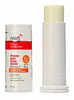
This hybrid sunscreen covers the full UV range and blocks ~98% of UVB at SPF 50.
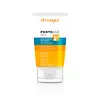
This chemical sunscreen covers most of the UV range, lighter on the deep UVA that drives aging.

What's inside
What's inside
 Key Ingredients
Benefits
Concerns
Ingredients Side-by-side
Dicaprylyl Carbonate
EmollientNylon-12


Homosalate
Skin Conditioning
C30-45 Alkyl Methicone
Emollient
Octocrylene
UV Absorber

C30-45 Olefin
Skin ConditioningCaprylic/Capric Triglyceride
Masking


C12-15 Alkyl Benzoate
AntimicrobialEthylhexyl Salicylate
UV Absorber
Butyl Methoxydibenzoylmethane
UV Absorber
Polymethyl Methacrylate
Ethylhexyl Triazone
UV Absorber
Butyloctyl Salicylate
Skin Conditioning
Titanium Dioxide
Cosmetic Colorant
Silica
Abrasive

Triacontanyl Pvp
HumectantSilica Silylate
Emollient
Tocopheryl Acetate
Antioxidant


Diethylamino Hydroxybenzoyl Hexyl Benzoate
UV Filter
Aluminum Starch Octenylsuccinate
Absorbent
Phenoxyethanol
Preservative
Caprylyl Glycol
Emollient
Dicaprylyl Carbonate, Nylon-12, Homosalate, C30-45 Alkyl Methicone, Octocrylene, C30-45 Olefin, Caprylic/Capric Triglyceride, C12-15 Alkyl Benzoate, Ethylhexyl Salicylate, Butyl Methoxydibenzoylmethane, Polymethyl Methacrylate, Ethylhexyl Triazone, Butyloctyl Salicylate, Titanium Dioxide, Silica, Triacontanyl Pvp, Silica Silylate, Tocopheryl Acetate, Diethylamino Hydroxybenzoyl Hexyl Benzoate, Aluminum Starch Octenylsuccinate, Phenoxyethanol, Caprylyl Glycol
Water
Skin ConditioningAlcohol
Antimicrobial


Propylene Glycol
Humectant
Butyl Methoxydibenzoylmethane
UV Absorber
Ethylhexyl Methoxycinnamate
UV Absorber
Dimethicone
Emollient
Styrene/Acrylates Copolymer
Butylene Glycol
Humectant
Dimethicone/Vinyl Dimethicone Crosspolymer
Skin Conditioning
Octocrylene
UV Absorber
Polymethyl Methacrylate
Phenoxyethanol
Preservative
Tocopheryl Acetate
Antioxidant
Dimethicone/PEG-10/15 Crosspolymer
Pentylene Glycol
Skin Conditioning
Aminomethyl Propanol
BufferingBisabolol
Antioxidant

Sodium Acrylates/C10-30 Alkyl Acrylate Crosspolymer
Acrylates/C10-30 Alkyl Acrylate Crosspolymer
Emulsion StabilisingDisodium EDTA
ChelatingLecithin
Emollient
Silica
Abrasive
Glycerin
Humectant
Dipropylene Glycol
HumectantSodium Hyaluronate
Humectant

DMDM Hydantoin
Preservative
Tocopherol
Antioxidant
Water, Alcohol, Propylene Glycol, Butyl Methoxydibenzoylmethane, Ethylhexyl Methoxycinnamate, Dimethicone, Styrene/Acrylates Copolymer, Butylene Glycol, Dimethicone/Vinyl Dimethicone Crosspolymer, Octocrylene, Polymethyl Methacrylate, Phenoxyethanol, Tocopheryl Acetate, Dimethicone/PEG-10/15 Crosspolymer, Pentylene Glycol, Aminomethyl Propanol, Bisabolol, Sodium Acrylates/C10-30 Alkyl Acrylate Crosspolymer, Acrylates/C10-30 Alkyl Acrylate Crosspolymer, Disodium EDTA, Lecithin, Silica, Glycerin, Dipropylene Glycol, Sodium Hyaluronate, DMDM Hydantoin, Tocopherol
Reviews
Ingredients Explained
These ingredients are found in both products.
Ingredients higher up in an ingredient list are typically present in a larger amount.
Also known as Avobenzone, this ingredient is an oil-soluble used to absorb the full spectrum of UVA rays (peak 357 nm).
It's one of the most effective UVA filters available but has a major caveat of photostability: avobenzone is susceptible to photodegradation.
This means it can lose efficacy when exposed to sunlight without the help of a stabilizing agent.
Studies show antioxidants (like vitamin E or vitamin C) and some UV filters (like octocrylene and Tinosorb S) can meaningfully improve its stability in a formulation.
The maximum allowable concentration according to regulation is 3% in the US + Canada, and 5% in the EU, Australia, China, Korea, and ASEAN countries.
It has a well-support safety profile: a comprehensive 2025 review found minimal toxicity with no evidence of carcinogenicity.
Overall, avobenzone is a safe and regulated ingredient used in sunscreen for over 40 years.
Learn more about Butyl MethoxydibenzoylmethaneOctocrylene is an oil-soluble organic UV filter that mainly absorbs UVB and short wave UVA II light.
Its real superpower is teamwork: octocrylene is remarkably photostable and is most famous for stabilizing avobenzone (the workhorse UVA filter).
This ingredient is commonly used to enhance both UVB and UVA protection due to its unique property in stabilizing avobenzone. It also pulls double duty by boosting water resistance and giving formulas a smooth, spreadable feel.
The EU's Scientific Committee on Consumer Safety (SCCS) has deemed octocrylene to be safe as a UV-filter at concentrations up to 10% (capped at 9% in propellant sprays). The US also permits it up to 10%.
Two things worth knowing:
You'll usually see this ingredient used in concentrations between 2-10% (higher amounts when used as a stabilizer for avobenzone).
Learn more about OctocrylenePhenoxyethanol is one of the most widely used preservatives in skincare (and for good reason!).
It has a large spectrum of antimicrobial activity and especially effective bacteria, yeast, and mold while only having a weak effect on your skin's natural microbiome.
On a cellular level, it disrupts the cell membranes of microbes by poking holes that make the cell leak. This shuts down the chemical reactions the microbe needs to make energy so it can no longer survive.
Another perk of this ingredient is that it stays functional across a wide pH range (3-10).
You'll often see it paired with boosters like Ethylhexylglycerin; one study showed that a 1:9 ratio of Ethylhexylglycerin to Phenoxyethanol damages bacterial membranes as effectively as doubling the Phenoxyethanol concentration on its own.
Typical use concentrations range from 0.3-1% depending on the formula, and this ingredient is capped at 1% int the EU.
Safety-wise, the fear mongering does not hold up to the evidence. The EU's Scientific Committee on Consumer Safety and FDA consider it safe as a preservative at up to 1%, including for children of all ages.
Adverse systemic effects only showed up in animal studies at exposures roughly 200x higher than what people get from cosmetics. And despite its very widespread use, this ingredient is a rare sensitizer and allergic reactions are uncommon.
Learn more about PhenoxyethanolThis ingredient is also known as PMMA. It is a polymer microsphere, composed of tiny, perfectly spherical particles formed from repeating units.
In cosmetics, PMMA is mainly used to give a soft or blurring effect. The transparent particles are able to scatter light and help reduce the appearance of fine-lines and imperfections.
PMMA is also able to enhance the texture of products by add a smooth feel.
Learn more about Polymethyl MethacrylateSilica, also known as silicon dioxide, is a naturally occurring mineral. It is used as a fine, spherical, and porous powder in cosmetics.
Though it has exfoliant properties, the function of silica varies depending on the product.
The unique structure of silica enhances the spreadability and adds smoothness, making it a great texture enhancer.
It is also used as an active carrier, emulsifier, and mattifier due to its ability to absorb excess oil.
In some products, tiny microneedles called spicules are made from silica or hydrolyzed sponge. When you rub them in, they lightly polish away dead skin layers and enhance the penetration of active ingredients.
Learn more about SilicaTocopheryl Acetate is a stable, shelf-friendly form of vitamin E.
Formulators love it because plain vitamin E oxidizes quickly once it hits air. This acetate version stays stable and resists going off, helping to extend a product's shelf life.
It's actually inactive on its own and works like a slow-release "storage" form; the enzymes in your skin called esterases gradually convert it into active vitamin E over time.
One in vivo study showed 5% of the acetate in the living layer of the epidermis converted to vitamin E after 5 days of application. This study also found the skin gained protection against UV damage even though the conversion was slow and small.
Once converted, vitamin E acts as a skin's main fat-soluble antioxidant that fights free radicals to protect skin from damage.
Topical vitamin E generally boosts the skin's photoprotection, and it reduced UV-damage in animal models.
This ingredient has some brightening potential but it's more of a prevention ingredient than spot-fader. Cell studies show it can slow down melanin production but it's worth noting that it's not the most powerful brightener out there.
Overall, it has a pretty solid safety profile and has been found to be non-irritating and non-comedogenic. Allergic reactions may happen but stay rare due to how widely the ingredient gets used.
The concentration will vary depending on the formula; industry data shows 0.1% in baby lotions, 3% in lipsticks, and 5% in foot powders. You can also find this ingredient at 100% in a pure vitamin E oil.
Most leave-on skincare keeps it at the lower end, often between 0.5-1%.
Learn more about Tocopheryl Acetate

