
What's inside
What's inside
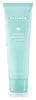 Key Ingredients
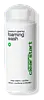
Benefits
Concerns
Ingredients Side-by-side
Water
Skin ConditioningGlycerin
Humectant


Sodium Cocoyl Isethionate
Cleansing
Cocamidopropyl Betaine
Cleansing

Hydrogenated Castor Oil
Emollient

Niacinamide
Smoothing









Acrylates Crosspolymer-4
Emulsion StabilisingCoco-Glucoside
Cleansing
Disodium Cocoyl Glutamate
Cleansing
Xanthan Gum
EmulsifyingSaccharomyces/Rice Ferment Filtrate
Skin Conditioning
Cocos Nucifera Fruit Extract
Emollient
Lactobacillus/Pumpkin Fruit Ferment Filtrate
Skin ConditioningPunica Granatum Extract
AstringentAloe Barbadensis Leaf Juice
Skin Conditioning
Sodium Hyaluronate
Humectant
Glyceryl Laurate
Emollient
Glyceryl Undecylenate
Emollient
Panthenol
Skin Conditioning
Pyrus Malus Fruit Extract
Skin Conditioning
Squalane
Emollient
Hydroxyethylcellulose
Emulsion StabilisingChlorella Vulgaris Extract
Skin ConditioningCamellia Oleifera Leaf Extract
AstringentCaprylyl Glycol
Emollient
Jojoba Esters
Emollient
Oryza Sativa Germ Powder
Abrasive
Lactic Acid
Buffering
Butylene Glycol
Humectant
Pentylene Glycol
Skin Conditioning
Sodium Chloride
MaskingPropanediol
Solvent
Phenoxyethanol
Preservative
Citric Acid
Buffering
Leuconostoc/Radish Root Ferment Filtrate
Antimicrobial
Tocopherol
Antioxidant

Ethylhexylglycerin
Skin ConditioningWater, Glycerin, Sodium Cocoyl Isethionate, Cocamidopropyl Betaine, Hydrogenated Castor Oil, Niacinamide, Acrylates Crosspolymer-4, Coco-Glucoside, Disodium Cocoyl Glutamate, Xanthan Gum, Saccharomyces/Rice Ferment Filtrate, Cocos Nucifera Fruit Extract, Lactobacillus/Pumpkin Fruit Ferment Filtrate, Punica Granatum Extract, Aloe Barbadensis Leaf Juice, Sodium Hyaluronate, Glyceryl Laurate, Glyceryl Undecylenate, Panthenol, Pyrus Malus Fruit Extract, Squalane, Hydroxyethylcellulose, Chlorella Vulgaris Extract, Camellia Oleifera Leaf Extract, Caprylyl Glycol, Jojoba Esters, Oryza Sativa Germ Powder, Lactic Acid, Butylene Glycol, Pentylene Glycol, Sodium Chloride, Propanediol, Phenoxyethanol, Citric Acid, Leuconostoc/Radish Root Ferment Filtrate, Tocopherol, Ethylhexylglycerin
Salicylic Acid 0.5%
Masking

Water
Skin ConditioningCocamidopropyl Betaine
Cleansing
Sodium Lauroyl Methyl Isethionate
CleansingAcrylates/Beheneth-25 Methacrylate Copolymer
Polysorbate 20
Emulsifying
Melaleuca Alternifolia Leaf Oil
Antioxidant

Citrus Aurantium Dulcis Peel Oil
Masking
Lavandula Angustifolia Oil
Masking
Oleanolic Acid
Skin ConditioningButylene Glycol
Humectant
Enantia Chlorantha Bark Extract
Skin ConditioningDisodium Cocoamphodiacetate
CleansingSpiraea Ulmaria Extract
AstringentCamellia Sinensis Leaf Extract
Antimicrobial
Porphyra Umbilicalis Extract
Skin ConditioningGlycyrrhiza Glabra Rhizome/Root Extract
Skin ConditioningSodium Hydroxide
BufferingEthylhexylglycerin
Skin ConditioningPhenoxyethanol
Preservative
Salicylic Acid 0.5%, Water, Cocamidopropyl Betaine, Sodium Lauroyl Methyl Isethionate, Acrylates/Beheneth-25 Methacrylate Copolymer, Polysorbate 20, Melaleuca Alternifolia Leaf Oil, Citrus Aurantium Dulcis Peel Oil, Lavandula Angustifolia Oil, Oleanolic Acid, Butylene Glycol, Enantia Chlorantha Bark Extract, Disodium Cocoamphodiacetate, Spiraea Ulmaria Extract, Camellia Sinensis Leaf Extract, Porphyra Umbilicalis Extract, Glycyrrhiza Glabra Rhizome/Root Extract, Sodium Hydroxide, Ethylhexylglycerin, Phenoxyethanol
Reviews
Ingredients Explained
These ingredients are found in both products.
Ingredients higher up in an ingredient list are typically present in a larger amount.
Butylene Glycol (or BG) is used within cosmetic products for a few different reasons:
Overall, Butylene Glycol is a safe and well-rounded ingredient that works well with other ingredients.
Though this ingredient works well with most skin types, some people with sensitive skin may experience a reaction such as allergic rashes, closed comedones, or itchiness.
Learn more about Butylene GlycolCocamidopropyl Betaine is a fatty acid created by mixing similar compounds in coconut oil and dimethylaminopropylamine, a compound with two amino groups.
This ingredient is a surfactant and cleanser. It helps gather the dirt, pollutants, and other impurities in your skin to be washed away. It also helps thicken a product and make the texture more creamy.
Being created from coconut oil means Cocamidopropyl Betaine is hydrating for the skin.
While Cocamidopropyl Betaine was believed to be an allergen, a study from 2012 disproved this. It found two compounds in unpure Cocamidopropyl Betaine to be the irritants: aminoamide and 3-dimethylaminopropylamine. High-grade and pure Cocamidopropyl Betaine did not induce allergic reactions during this study.
Learn more about Cocamidopropyl BetaineEthylhexylglycerin is created from glycerin. It is a multitasker ingredient that:
The CIR Expert Panel found minimal skin absorption or sensitization of any kind in a safety assessment. Though this ingredient is considered well-tolerated, a small number of cases of allergic dermatitis have been published since 2002. Just be sure to patch test if you are unsure.
Industry-reported use ranges from 8% in rinse-off products and 2% in leave-on formulations.
Learn more about EthylhexylglycerinPhenoxyethanol is a preservative that has germicide, antimicrobial, and aromatic properties. Studies show that phenoxyethanol can prevent microbial growth. By itself, it has a scent that is similar to that of a rose.
It's often used in formulations along with Caprylyl Glycol to preserve the shelf life of products.
Water. It's the most common cosmetic ingredient of all. You'll usually see it at the top of ingredient lists, meaning that it makes up the largest part of the product.
So why is it so popular? Water most often acts as a solvent - this means that it helps dissolve other ingredients into the formulation.
You'll also recognize water as that liquid we all need to stay alive. If you see this, drink a glass of water. Remember to stay hydrated!
Learn more about Water
