Naturium Purple Ginseng Cleansing Balm Versus Physician's Formula The Perfect Matcha 3-in-1 Melting Cleansing Balm
This oil-based makeup remover is made to dissolve makeup, sunscreen, and daily buildup.
This oil-based makeup remover is made to dissolve makeup, sunscreen, and daily buildup.

What's inside
What's inside
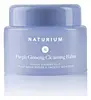 Key Ingredients
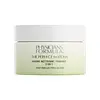
Benefits
Concerns
Ingredients Side-by-side
Ethylhexyl Palmitate
Emollient




Coco-Caprylate/Caprate
Emollient
Synthetic Wax
Abrasive
Polyglyceryl-10 Dioleate
Emulsifying
Sorbitan Oleate Decylglucoside Crosspolymer
CleansingIsoamyl Cocoate

Glyceryl Citrate/Lactate/Linoleate/Oleate
Emulsifying
Polygonum Bistorta Root Extract
Skin ConditioningSalvia Hispanica Seed Oil
Emollient
Simmondsia Chinensis Seed Oil
Emollient


Sorbitan Sesquioleate
Emulsifying
Glyceryl Laurate
Emollient
Aloe Barbadensis Flower Extract
EmollientMelia Azadirachta Leaf Extract
Skin ConditioningOcimum Sanctum Leaf Extract
Skin ConditioningMelia Azadirachta Flower Extract
Skin ConditioningWater
Skin ConditioningGlyceryl Caprylate
EmollientPolyglyceryl-3 Caprate
EmulsifyingPolyglyceryl-4 Cocoate
Emollient
Coccinia Indica Fruit Extract
Skin Conditioning

Corallina Officinalis Extract
Skin Conditioning
Solanum Melongena Fruit Extract
Skin ConditioningCurcuma Longa Root Extract
Antioxidant

Ocimum Basilicum Flower/Leaf Extract
TonicGlycerin
Humectant
Phenoxyethanol
Preservative
Pentylene Glycol
Skin Conditioning
Sodium Chloride
MaskingAlcohol
Antimicrobial

Tocopherol
Antioxidant



Ethylhexyl Palmitate, Coco-Caprylate/Caprate, Synthetic Wax, Polyglyceryl-10 Dioleate, Sorbitan Oleate Decylglucoside Crosspolymer, Isoamyl Cocoate, Glyceryl Citrate/Lactate/Linoleate/Oleate, Polygonum Bistorta Root Extract, Salvia Hispanica Seed Oil, Simmondsia Chinensis Seed Oil, Sorbitan Sesquioleate, Glyceryl Laurate, Aloe Barbadensis Flower Extract, Melia Azadirachta Leaf Extract, Ocimum Sanctum Leaf Extract, Melia Azadirachta Flower Extract, Water, Glyceryl Caprylate, Polyglyceryl-3 Caprate, Polyglyceryl-4 Cocoate, Coccinia Indica Fruit Extract, Corallina Officinalis Extract, Solanum Melongena Fruit Extract, Curcuma Longa Root Extract, Ocimum Basilicum Flower/Leaf Extract, Glycerin, Phenoxyethanol, Pentylene Glycol, Sodium Chloride, Alcohol, Tocopherol
Cetyl Ethylhexanoate
EmollientCaprylic/Capric Triglyceride
Masking
Sorbeth-30 Tetraoleate
Emulsifying
PEG-5 Glyceryl Triisostearate
Emollient
PEG-10 Isostearate
Emulsifying
Polyethylene
Abrasive
Parfum
Masking
Camellia Sinensis Leaf Powder
Phyllostachys Edulis Shoot Water
Skin ConditioningNelumbo Nucifera Flower Extract
Skin ConditioningCitrus Nobilis Peel Oil
Masking
Water
Skin ConditioningPhenoxyethanol
Preservative
Sorbitan Sesquioleate
Emulsifying
Polyglyceryl-10 Oleate
Skin Conditioning
Butylene Glycol
Humectant
Lactic Acid
Buffering



Sodium Benzoate
Masking
Caprylyl Glycol
Emollient
Potassium Sorbate
Preservative
Ethylhexylglycerin
Skin ConditioningHexylene Glycol
EmulsifyingMaltodextrin
Absorbent
CI 19140
Cosmetic ColorantCI 42090
Cosmetic ColorantBamboo Vinegar
AntimicrobialCetyl Ethylhexanoate, Caprylic/Capric Triglyceride, Sorbeth-30 Tetraoleate, PEG-5 Glyceryl Triisostearate, PEG-10 Isostearate, Polyethylene, Parfum, Camellia Sinensis Leaf Powder, Phyllostachys Edulis Shoot Water, Nelumbo Nucifera Flower Extract, Citrus Nobilis Peel Oil, Water, Phenoxyethanol, Sorbitan Sesquioleate, Polyglyceryl-10 Oleate, Butylene Glycol, Lactic Acid, Sodium Benzoate, Caprylyl Glycol, Potassium Sorbate, Ethylhexylglycerin, Hexylene Glycol, Maltodextrin, CI 19140, CI 42090, Bamboo Vinegar
Reviews
Ingredients Explained
These ingredients are found in both products.
Ingredients higher up in an ingredient list are typically present in a larger amount.
Phenoxyethanol is one of the most widely used preservatives in skincare (and for good reason!).
It has a large spectrum of antimicrobial activity and especially effective bacteria, yeast, and mold while only having a weak effect on your skin's natural microbiome.
On a cellular level, it disrupts the cell membranes of microbes by poking holes that make the cell leak. This shuts down the chemical reactions the microbe needs to make energy so it can no longer survive.
Another perk of this ingredient is that it stays functional across a wide pH range (3-10).
You'll often see it paired with boosters like Ethylhexylglycerin; one study showed that a 1:9 ratio of Ethylhexylglycerin to Phenoxyethanol damages bacterial membranes as effectively as doubling the Phenoxyethanol concentration on its own.
Typical use concentrations range from 0.3-1% depending on the formula, and this ingredient is capped at 1% int the EU.
Safety-wise, the fear mongering does not hold up to the evidence. The EU's Scientific Committee on Consumer Safety and FDA consider it safe as a preservative at up to 1%, including for children of all ages.
Adverse systemic effects only showed up in animal studies at exposures roughly 200x higher than what people get from cosmetics. And despite its very widespread use, this ingredient is a rare sensitizer and allergic reactions are uncommon.
Learn more about PhenoxyethanolSorbitan Sesquioleate is derived from sorbitol and oleic acid. It is an emulsifier and prevents ingredients from separating.
Specifically, this ingredient is a water-in-oil emulsifier, meaning it helps water dissolve into oil.
Some studies suggest this ingredient may cause irritation in some people. If you are unsure, it is best to patch test.
This ingredient may not be Malassezia folliculitis, or fungal-acne safe due to the oleic acid. In vitro studies have shown that Oleic Acid is one of the fatty acids that induce rapid Malassezia growth in lab settings.
Learn more about Sorbitan SesquioleateWater. It's the most common cosmetic ingredient of all. You'll usually see it at the top of ingredient lists, meaning that it makes up the largest part of the product.
So why is it so popular? Water most often acts as a solvent - this means that it helps dissolve other ingredients into the formulation.
You'll also recognize water as that liquid we all need to stay alive. If you see this, drink a glass of water. Remember to stay hydrated!
Learn more about Water

