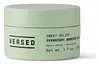
This hydrating overnight mask is formulated around Saccharomyces Ferment to hydrate skin.
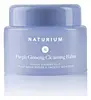
This oil-based makeup remover is made to dissolve makeup, sunscreen, and daily buildup.

What's inside
What's inside
 Key Ingredients
Benefits
Concerns
Ingredients Side-by-side
Water
Skin ConditioningPrunus Armeniaca Kernel Oil
Masking





Lauryl Laurate
Skin Conditioning
Polyhydroxystearic Acid
Emulsifying
Stearyl Behenate
Emollient
Undecane
EmollientGlycerin
Humectant

Polyglyceryl-2 Dipolyhydroxystearate
Skin Conditioning
Tridecane
Perfuming

Polyglyceryl-3 Diisostearate
Emulsifying
Saccharomyces Ferment
Skin Conditioning
Garcinia Indica Seed Butter
Skin Conditioning
Myristyl Myristate
Emollient
Platonia Insignis Seed Butter
Emollient
Helianthus Annuus Seed Wax
Skin Conditioning
Tocopherol
Antioxidant





Pisum Sativum Extract
Skin ConditioningLauroyl Lysine
Skin Conditioning
Caprylyl Glycol
Emollient
Glyceryl Behenate
Emollient
1,2-Hexanediol
Skin Conditioning
Magnesium Sulfate
Ethylhexylglycerin
Skin ConditioningPotassium Sorbate
Preservative
Sodium Benzoate
Masking
Benzyl Alcohol
Perfuming


Water, Prunus Armeniaca Kernel Oil, Lauryl Laurate, Polyhydroxystearic Acid, Stearyl Behenate, Undecane, Glycerin, Polyglyceryl-2 Dipolyhydroxystearate, Tridecane, Polyglyceryl-3 Diisostearate, Saccharomyces Ferment, Garcinia Indica Seed Butter, Myristyl Myristate, Platonia Insignis Seed Butter, Helianthus Annuus Seed Wax, Tocopherol, Pisum Sativum Extract, Lauroyl Lysine, Caprylyl Glycol, Glyceryl Behenate, 1,2-Hexanediol, Magnesium Sulfate, Ethylhexylglycerin, Potassium Sorbate, Sodium Benzoate, Benzyl Alcohol
Ethylhexyl Palmitate
Emollient
Coco-Caprylate/Caprate
Emollient
Synthetic Wax
Abrasive
Polyglyceryl-10 Dioleate
Emulsifying
Sorbitan Oleate Decylglucoside Crosspolymer
CleansingIsoamyl Cocoate

Glyceryl Citrate/Lactate/Linoleate/Oleate
Emulsifying
Polygonum Bistorta Root Extract
Skin ConditioningSalvia Hispanica Seed Oil
Emollient
Simmondsia Chinensis Seed Oil
Emollient
Sorbitan Sesquioleate
Emulsifying
Glyceryl Laurate
Emollient
Aloe Barbadensis Flower Extract
EmollientMelia Azadirachta Leaf Extract
Skin ConditioningOcimum Sanctum Leaf Extract
Skin ConditioningMelia Azadirachta Flower Extract
Skin ConditioningWater
Skin ConditioningGlyceryl Caprylate
EmollientPolyglyceryl-3 Caprate
EmulsifyingPolyglyceryl-4 Cocoate
Emollient
Coccinia Indica Fruit Extract
Skin Conditioning
Corallina Officinalis Extract
Skin Conditioning
Solanum Melongena Fruit Extract
Skin ConditioningCurcuma Longa Root Extract
Antioxidant
Ocimum Basilicum Flower/Leaf Extract
TonicGlycerin
Humectant
Phenoxyethanol
Preservative
Pentylene Glycol
Skin Conditioning
Sodium Chloride
MaskingAlcohol
Antimicrobial
Tocopherol
Antioxidant
Ethylhexyl Palmitate, Coco-Caprylate/Caprate, Synthetic Wax, Polyglyceryl-10 Dioleate, Sorbitan Oleate Decylglucoside Crosspolymer, Isoamyl Cocoate, Glyceryl Citrate/Lactate/Linoleate/Oleate, Polygonum Bistorta Root Extract, Salvia Hispanica Seed Oil, Simmondsia Chinensis Seed Oil, Sorbitan Sesquioleate, Glyceryl Laurate, Aloe Barbadensis Flower Extract, Melia Azadirachta Leaf Extract, Ocimum Sanctum Leaf Extract, Melia Azadirachta Flower Extract, Water, Glyceryl Caprylate, Polyglyceryl-3 Caprate, Polyglyceryl-4 Cocoate, Coccinia Indica Fruit Extract, Corallina Officinalis Extract, Solanum Melongena Fruit Extract, Curcuma Longa Root Extract, Ocimum Basilicum Flower/Leaf Extract, Glycerin, Phenoxyethanol, Pentylene Glycol, Sodium Chloride, Alcohol, Tocopherol
Reviews
Alternatives
Ingredients Explained
These ingredients are found in both products.
Ingredients higher up in an ingredient list are typically present in a larger amount.
Glycerin (or glycerol) is a compound naturally found in your skin. It's a powerhouse humectant that pulls water into the stratum corneum.
Topically, glycerin does several things at once:
Your skin makes glycerin on its own (mostly from sebaceous oil breakdown) and shuttles it to your outermost layer of skin, or your epidermis, via aquaporin-3.
Aquaporin-3 is a transporter that is essential for normal skin hydration, elasticity, and repair. Interestingly, mice lacking in AQP3 have dry and less elastic skin that can be fully corrected with glycerin.
This ingredient is non-irritating, plays well with almost every ingredient, and works across all skin types. Typical use is anywhere between 3-10% but can go up to 79% in some leave-on products.
Just know very high concentrations (>40%) can feel tacky in low humidity.
Glycerin is the name for this ingredient in American English. British English uses Glycerol/Glycerine.
Learn more about GlycerinTocopherol is a fat-soluble antioxidant known as Vitamin E.
You'll find this ingredient in the vast majority of skincare (for good reason). It works to neutralize free radicals, or unstable molecules generated by UV exposure, pollution, and other environmental stressors, before they can cause oxidative damage to your skin cells.
Topically applied tocopherol has been shown to protect against UV damage by ramping up the skin's own natural defense enzymes.
It also acts as a skin conditioning agent; some studies show that regular topical use can improve the skin's water-binding capacity over 2-4 weeks.
This ingredient is especially loved for being a team player. When combined with Vitamin C, the photoprotective effect of both ingredients roughly doubles and the combo also helps reduce UV-induced DNA damage.
This ingredient has some brightening potential but it's more of a prevention ingredient than spot-fader. Cell studies show it can slow down melanin production but it's worth noting that it's not the most powerful brightener out there.
In formulations, it also serves as a stabilizer that helps protect other oxidation-prone ingredients from degrading.
Concentrations usually range from 0.1-1% in most leave-on products.
Learn more about TocopherolWater. It's the most common cosmetic ingredient of all. You'll usually see it at the top of ingredient lists, meaning that it makes up the largest part of the product.
So why is it so popular? Water most often acts as a solvent - this means that it helps dissolve other ingredients into the formulation.
You'll also recognize water as that liquid we all need to stay alive. If you see this, drink a glass of water. Remember to stay hydrated!
Learn more about Water

