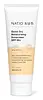
This chemical sunscreen covers most of the UV range, lighter on the deep UVA that drives aging.
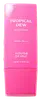
This chemical sunscreen covers the full UV range and blocks ~98% of UVB at SPF 50.


What's inside
What's inside
 Key Ingredients
Benefits
Concerns
Ingredients Side-by-side
Butyl Methoxydibenzoylmethane
UV Absorber
Ethylhexyl Triazone
UV Absorber
Homosalate
Skin Conditioning
Octocrylene
UV Absorber

Ethylhexyl Salicylate
UV Absorber
C12-15 Alkyl Benzoate
AntimicrobialAloe Barbadensis Leaf Juice
Skin Conditioning


Cetearyl Alcohol
Emollient





Tocopheryl Acetate
Antioxidant


Tetrasodium EDTA
ChelatingGlycerin
Humectant

Hydrated Silica
Abrasive
Hydroxyacetophenone
Antioxidant
Hydroxyethylcellulose
Emulsion StabilisingPhenoxyethanol
Preservative
Water
Skin ConditioningVp/Hexadecene Copolymer
Oryza Sativa Bran Wax
Skin Conditioning
Sodium Polyacrylate
Absorbent
Sodium Stearoyl Glutamate
CleansingTriacontanyl Pvp
HumectantButyl Methoxydibenzoylmethane, Ethylhexyl Triazone, Homosalate, Octocrylene, Ethylhexyl Salicylate, C12-15 Alkyl Benzoate, Aloe Barbadensis Leaf Juice, Cetearyl Alcohol, Tocopheryl Acetate, Tetrasodium EDTA, Glycerin, Hydrated Silica, Hydroxyacetophenone, Hydroxyethylcellulose, Phenoxyethanol, Water, Vp/Hexadecene Copolymer, Oryza Sativa Bran Wax, Sodium Polyacrylate, Sodium Stearoyl Glutamate, Triacontanyl Pvp
Water
Skin ConditioningDibutyl Adipate
EmollientPropanediol
Solvent
Diethylamino Hydroxybenzoyl Hexyl Benzoate
UV Filter
Diisopropyl Sebacate
EmollientPolymethylsilsesquioxane

Ethylhexyl Triazone
UV Absorber
Methylene Bis-Benzotriazolyl Tetramethylbutylphenol
UV Filter
Butyloctyl Salicylate
Skin Conditioning
Caprylyl Methicone
Skin Conditioning
Diethylhexyl Butamido Triazone
UV Absorber
Glycerin
Humectant
Hippophae Rhamnoides Oil
Emollient
Ananas Sativus Fruit Extract
Skin ConditioningCarica Papaya Fruit Extract
Skin ConditioningGarcinia Mangostana Peel Extract
Skin ConditioningMangifera Indica Fruit Extract
Skin ConditioningMorinda Citrifolia Extract
AstringentMusa Sapientum Fruit Extract
Skin ConditioningNephelium Lappaceum Branch/Fruit/Leaf Extract
Skin ConditioningPsidium Guajava Fruit Extract
Astringent1,2-Hexanediol
Skin Conditioning
Butylene Glycol
Humectant
Caprylic/Capric Triglyceride
Masking
Pentylene Glycol
Skin Conditioning
Poly C10-30 Alkyl Acrylate
Emulsion StabilisingPolyglyceryl-3 Methylglucose Distearate
Emulsifying
Hydroxyethyl Urea
Humectant
Decyl Glucoside
Cleansing
Tromethamine
BufferingAcrylates/C10-30 Alkyl Acrylate Crosspolymer
Emulsion StabilisingPolyacrylic Acid
Emulsion StabilisingPolyacrylate Crosspolymer-6
Emulsion StabilisingSodium Stearoyl Glutamate
CleansingEthylhexylglycerin
Skin ConditioningCyanocobalamin
Skin ConditioningTocopherol
Antioxidant

Behenyl Alcohol
Emollient
Xanthan Gum
EmulsifyingWater, Dibutyl Adipate, Propanediol, Diethylamino Hydroxybenzoyl Hexyl Benzoate, Diisopropyl Sebacate, Polymethylsilsesquioxane, Ethylhexyl Triazone, Methylene Bis-Benzotriazolyl Tetramethylbutylphenol, Butyloctyl Salicylate, Caprylyl Methicone, Diethylhexyl Butamido Triazone, Glycerin, Hippophae Rhamnoides Oil, Ananas Sativus Fruit Extract, Carica Papaya Fruit Extract, Garcinia Mangostana Peel Extract, Mangifera Indica Fruit Extract, Morinda Citrifolia Extract, Musa Sapientum Fruit Extract, Nephelium Lappaceum Branch/Fruit/Leaf Extract, Psidium Guajava Fruit Extract, 1,2-Hexanediol, Butylene Glycol, Caprylic/Capric Triglyceride, Pentylene Glycol, Poly C10-30 Alkyl Acrylate, Polyglyceryl-3 Methylglucose Distearate, Hydroxyethyl Urea, Decyl Glucoside, Tromethamine, Acrylates/C10-30 Alkyl Acrylate Crosspolymer, Polyacrylic Acid, Polyacrylate Crosspolymer-6, Sodium Stearoyl Glutamate, Ethylhexylglycerin, Cyanocobalamin, Tocopherol, Behenyl Alcohol, Xanthan Gum
Reviews
Ingredients Explained
These ingredients are found in both products.
Ingredients higher up in an ingredient list are typically present in a larger amount.
Ethylhexyl Triazone (aka Octyl Triazone) is an oil-soluble organic UVB filter. It has peak absorption around 314 nm, right in the middle of the UVB range.
This ingredient is described as one of the most effective UVB filters available and small concentrations are enough to deliver a high SPF thanks to its strong UV absorbing power.
Formulators love it for its stability; its ability to filter UV stays practically unchanged even under intense radiation and it can also help boost the photostability of less stable filters like avobenzone.
It's also a great pick for water resistant products because it's insoluble in water and has a good affinity for keratin.
Because it's a big, heavy molecule, the European Scientific Committee has found to to have very low dermal penetration and negative results for allergenicity.
In vitro testing also showed a low absorption rate and clean results on irritation.
Typical use levels are 1-5% with 5% being the maximum in the EU, Japan, and other markets that allow it. However, this ingredient is not approved yet in the US or Canada.
Learn more about Ethylhexyl TriazoneGlycerin (or glycerol) is a compound naturally found in your skin. It's a powerhouse humectant that pulls water into the stratum corneum.
Topically, glycerin does several things at once:
Your skin makes glycerin on its own (mostly from sebaceous oil breakdown) and shuttles it to your outermost layer of skin, or your epidermis, via aquaporin-3.
Aquaporin-3 is a transporter that is essential for normal skin hydration, elasticity, and repair. Interestingly, mice lacking in AQP3 have dry and less elastic skin that can be fully corrected with glycerin.
This ingredient is non-irritating, plays well with almost every ingredient, and works across all skin types. Typical use is anywhere between 3-10% but can go up to 79% in some leave-on products.
Just know very high concentrations (>40%) can feel tacky in low humidity.
Glycerin is the name for this ingredient in American English. British English uses Glycerol/Glycerine.
Learn more about GlycerinSodium Stearoyl Glutamate is an amino-acid based emulsifier. It is made by combining stearic acid with L-glutamic acid and neutralizing it to a sodium salt.
As an emulsifier, it works mainly as an oil-in-water one and helps keep the oil and water in your formulas blended. It also contributes to a smooth, non-greasy skin feel.
This ingredient is biodegradable and commonly available in natural/COSMOS-certified grades.
Learn more about Sodium Stearoyl GlutamateWater. It's the most common cosmetic ingredient of all. You'll usually see it at the top of ingredient lists, meaning that it makes up the largest part of the product.
So why is it so popular? Water most often acts as a solvent - this means that it helps dissolve other ingredients into the formulation.
You'll also recognize water as that liquid we all need to stay alive. If you see this, drink a glass of water. Remember to stay hydrated!
Learn more about Water

