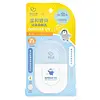
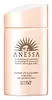
My Scheming Defense UV Kids Mild Sunscreen SPF 50+ PA+++ Versus Anessa Perfect UV Sunscreen Mild Milk SPF50+ PA++++
This mineral sunscreen covers the full UV range and blocks ~98% of UVB at SPF 50.
This hybrid sunscreen covers the full UV range and blocks ~98% of UVB at SPF 50.

What's inside
What's inside
 Key Ingredients
Benefits
Concerns
Ingredients Side-by-side
Water
Skin ConditioningCyclopentasiloxane
Emollient
Titanium Dioxide
Cosmetic Colorant

Diphenylsiloxy Phenyl Trimethicone
Skin Conditioning
Dimethicone
Emollient
PEG-10 Dimethicone
Skin Conditioning
Diethylhexyl Carbonate
EmollientPropylene Glycol
Humectant


Caprylyl Methicone
Skin Conditioning
Dicaprylyl Carbonate
EmollientPolyglyceryl-2 Diisostearate
Emulsifying
Butylene Glycol
Humectant
Sodium PCA
Humectant
Quaternium-18 Bentonite
Aluminum Hydroxide
EmollientStearic Acid
Cleansing
Magnesium Sulfate
Vinyl Dimethicone/Methicone Silsesquioxane Crosspolymer

1,2-Hexanediol
Skin Conditioning
Caprylyl Glycol
Emollient
Chlorphenesin
Antimicrobial
Bisabolol
Antioxidant

Ethylhexylglycerin
Skin ConditioningDipotassium Glycyrrhizate
Humectant
O-Cymen-5-Ol
Antimicrobial
Sodium Hyaluronate
Humectant

Glycerin
Humectant
Avena Strigosa Seed Extract
Skin ConditioningLecithin
Emollient
Chamomilla Recutita Flower Extract
Masking
Potassium Sorbate
Preservative
Citric Acid
Buffering

Water, Cyclopentasiloxane, Titanium Dioxide, Diphenylsiloxy Phenyl Trimethicone, Dimethicone, PEG-10 Dimethicone, Diethylhexyl Carbonate, Propylene Glycol, Caprylyl Methicone, Dicaprylyl Carbonate, Polyglyceryl-2 Diisostearate, Butylene Glycol, Sodium PCA, Quaternium-18 Bentonite, Aluminum Hydroxide, Stearic Acid, Magnesium Sulfate, Vinyl Dimethicone/Methicone Silsesquioxane Crosspolymer, 1,2-Hexanediol, Caprylyl Glycol, Chlorphenesin, Bisabolol, Ethylhexylglycerin, Dipotassium Glycyrrhizate, O-Cymen-5-Ol, Sodium Hyaluronate, Glycerin, Avena Strigosa Seed Extract, Lecithin, Chamomilla Recutita Flower Extract, Potassium Sorbate, Citric Acid
Water
Skin ConditioningDimethicone
Emollient
Diisopropyl Sebacate
EmollientButylene Glycol
Humectant
Caprylyl Methicone
Skin Conditioning
Cetyl Ethylhexanoate
EmollientTitanium Dioxide
Cosmetic Colorant
Pentaerythrityl Tetraethylhexanoate
Emollient
Triethylhexanoin
MaskingDiethylhexyl Succinate
EmollientZinc Oxide
Cosmetic Colorant
Dipropylene Glycol
HumectantSilica
Abrasive

Glycerin
Humectant
PEG-9 Polydimethylsiloxyethyl Dimethicone
Emulsifying
Diethylamino Hydroxybenzoyl Hexyl Benzoate
UV Filter
Bis-Ethylhexyloxyphenol Methoxyphenyl Triazine
UV Absorber
PEG/PPG-14/7 Dimethyl Ether
Skin ConditioningSodium Chloride
MaskingThiotaurine
Antioxidant
Potentilla Erecta Root Extract
Skin ConditioningDipotassium Glycyrrhizate
Humectant
Angelica Keiskei Leaf/Stem Extract
Skin ConditioningSodium Acetylated Hyaluronate
Humectant
PEG-10 Dimethicone
Skin Conditioning
Aluminum Hydroxide
EmollientDisteardimonium Hectorite
StabilisingEthylhexyl Triazone
UV Absorber
PEG-12 Dimethicone
Skin Conditioning
Stearic Acid
Cleansing
Hydrogen Dimethicone
Beheneth-20
EmulsifyingSodium Citrate
BufferingCitric Acid
Buffering
Sodium Metaphosphate
BufferingSodium Metabisulfite
Antioxidant
Prunus Yedoensis Leaf Extract
Skin ConditioningCarbomer
Emulsion StabilisingTrifluoropropyldimethyl/Trimethylsiloxysilicate
EmollientTocopherol
Antioxidant

Phenoxyethanol
Preservative
Benzoic Acid
Masking
CI 77120
Cosmetic ColorantWater, Dimethicone, Diisopropyl Sebacate, Butylene Glycol, Caprylyl Methicone, Cetyl Ethylhexanoate, Titanium Dioxide, Pentaerythrityl Tetraethylhexanoate, Triethylhexanoin, Diethylhexyl Succinate, Zinc Oxide, Dipropylene Glycol, Silica, Glycerin, PEG-9 Polydimethylsiloxyethyl Dimethicone, Diethylamino Hydroxybenzoyl Hexyl Benzoate, Bis-Ethylhexyloxyphenol Methoxyphenyl Triazine, PEG/PPG-14/7 Dimethyl Ether, Sodium Chloride, Thiotaurine, Potentilla Erecta Root Extract, Dipotassium Glycyrrhizate, Angelica Keiskei Leaf/Stem Extract, Sodium Acetylated Hyaluronate, PEG-10 Dimethicone, Aluminum Hydroxide, Disteardimonium Hectorite, Ethylhexyl Triazone, PEG-12 Dimethicone, Stearic Acid, Hydrogen Dimethicone, Beheneth-20, Sodium Citrate, Citric Acid, Sodium Metaphosphate, Sodium Metabisulfite, Prunus Yedoensis Leaf Extract, Carbomer, Trifluoropropyldimethyl/Trimethylsiloxysilicate, Tocopherol, Phenoxyethanol, Benzoic Acid, CI 77120
Reviews
Ingredients Explained
These ingredients are found in both products.
Ingredients higher up in an ingredient list are typically present in a larger amount.
Aluminum Hydroxide is a form of aluminum. It can be naturally found in nature as the mineral gibbsite. In cosmetics, Aluminum Hydroxide is used as a colorant, pH adjuster, and absorbent.
As a colorant, Aluminum Hydroxide may add opacity, or reduce the transparency. Aluminum hydroxide is contains both basic and acidic properties.
According to manufacturers, this ingredient is an emollient and humectant. This means it helps hydrate the skin.
In medicine, this ingredient is used to help relieve heartburn and help heal ulcers.
There is currently no credible scientific evidence linking aluminum hydroxide in cosmetics to increased cancer risk.
Major health organizations allow the use of aluminum hydroxide in personal care products and have not flagged it as a carcinogenic risk at typical usage levels.
Learn more about Aluminum HydroxideButylene Glycol (or BG) is used within cosmetic products for a few different reasons:
Overall, Butylene Glycol is a safe and well-rounded ingredient that works well with other ingredients.
Though this ingredient works well with most skin types, some people with sensitive skin may experience a reaction such as allergic rashes, closed comedones, or itchiness.
Learn more about Butylene GlycolCaprylyl Methicone is a synthetic and lightweight silicone fluid. It gives products a silky, dry-touch finish without the heaviness of pure oils.
Though the EU CosIng Database lists this ingredient as a skin conditioner, it is also used for sensory reasons. It spreads easily, cuts greasiness, and reduces tackiness.
This ingredient is volatile which means it will mostly evaporate (but it evaporates slower than older cyclomethicones, like Cyclotetrasiloxane).
Typical concentration ranges from 1-30% depending on if it's being used to tweak the feel of a product or acting as the main emollient.
Learn more about Caprylyl MethiconeCitric Acid is an alpha hydroxy acid (AHA) naturally found in citrus fruits like oranges, lemons, and limes.
Like other AHAs, citric acid can exfoliate skin by breaking down the bonds that hold dead skin cells together. This helps reveal smoother and brighter skin underneath.
However, this exfoliating effect only happens at high concentrations (20%) which can be hard to find in cosmetic products.
Due to this, citric acid is usually included in small amounts as a pH adjuster. This helps keep products slightly more acidic and compatible with skin's natural pH.
In skincare formulas, citric acid can:
While it can provide some skin benefits, research shows lactic acid and glycolic acid are generally more effective and less irritating exfoliants.
Most citric acid used in skincare today is made by fermenting sugars (usually from molasses). This synthetic version is identical to the natural citrus form but easier to stabilize and use in formulations.
Rosacea skin has a lower threshold for acids generally, with 62.5% of rosacea subjects in one study reacting to lactic acid in a sting test. This is why we mark citric acid as a potential rosacea trigger.
However, this ingredient shows up as a pH adjuster or chelator at roughly 0.1-1% in many products. These low levels are unlikely to be an issue for rosacea skin and becomes a potential trigger at exfoliating concentrations (20%). Because everybody's skin is unique, we recommend a patch test if you are unsure.
Learn more about Citric AcidDimethicone is a type of synthetic silicone created from natural materials such as quartz. It is also known as polydimethylsiloxane.
What it does:
Dimethicone comes in different viscosities:
Depending on the viscosity, dimethicone has different properties.
Ingredients lists don't always show which type is used, so we recommend reaching out to the brand if you have questions about the viscosity.
This ingredient is unlikely to cause irritation because it does not get absorbed into skin. However, people with silicone allergies should be careful about using this ingredient.
Note: Dimethicone may contribute to pilling. This is because it is not oil or water soluble, so pilling may occur when layered with products. When mixed with heavy oils in a formula, the outcome is also quite greasy.
Learn more about DimethiconeDipotassium Glycyrrhizate comes from licorice root.
Extracts of licorice have demonstrated to have antibacterial, anti‐inflammatory, antiviral, antioxidant properties.
One component, glabridin, has extra potent antioxidant and soothing properties. It has also been found to block pigmentation from UVB rays in guinea pigs.
Licorice Root also contains a flavonoid. Flavonoids are a natural substance from in plants. Flavonoids also have antioxidant properties.
Another component, glycyrrhizin, has been found to have anti-inflammatory and antimicrobial benefits. This may make licorice root extract effective at treating acne. However, more research is needed to support this.
Liquiritin is one of the flavone compounds found in licorice. It has been found to help lighten skin by preventing tyrosinase from reacting with tyrosine. When the two react, protein is converted to melanin. Melanin is the substance in your body that gives your features pigmentation.
Licorice root is native to Southern Europe and Asia. It has been used in traditional Chinese medicine to help with respiratory issues.
Learn more about Dipotassium GlycyrrhizateGlycerin (or glycerol) is a compound naturally found in your skin. It's a powerhouse humectant that pulls water into the stratum corneum.
Topically, glycerin does several things at once:
Your skin makes glycerin on its own (mostly from sebaceous oil breakdown) and shuttles it to your outermost layer of skin, or your epidermis, via aquaporin-3.
Aquaporin-3 is a transporter that is essential for normal skin hydration, elasticity, and repair. Interestingly, mice lacking in AQP3 have dry and less elastic skin that can be fully corrected with glycerin.
This ingredient is non-irritating, plays well with almost every ingredient, and works across all skin types. Typical use is anywhere between 3-10% but can go up to 79% in some leave-on products.
Just know very high concentrations (>40%) can feel tacky in low humidity.
Glycerin is the name for this ingredient in American English. British English uses Glycerol/Glycerine.
Learn more about GlycerinPeg-10 Dimethicone is silicone with conditioner and emulsifier properties. It mostly acts as an emollient in skincare and and humectant in haircare.
According to the manufacturer, acidic formulations decrease the stability of this ingredient. It works best in neutral or near neutral formulations.
Stearic Acid is a fatty acid that is already found in your skin. It's one of the free fatty acids that works alongside ceramides and cholesterols to maintain your barrier.
In cosmetics, it is a multitasker:
Safety-wise, the CIR Expert Panel has concluded it to be safe in cosmetics when formulated to be non-irritating and non-sensitizing.
Free stearic acid is a C18 fatty acid that the Malassezia yeast can substrate, so this ingredient may not be fungal acne safe.
Learn more about Stearic AcidTitanium Dioxide (TD) is a mineral UV filter widely used in sunscreens and cosmetics.
It's one of only two UV filters officially classified as "mineral" by regulatory agencies (the other being Zinc Oxide).
A really common myth is that mineral filters work by reflecting UV light off your skin like tiny mirrors.
They don't only do that; modern research shows TD protects mostly by absorbing UV radiation, the same way chemical filters do.
When researchers measured this, reflection accounted for only about 4-5% of the protection (and less than SPF 2 on its own). The other ~95% comes from absorption: the UV photons hit the particle and their energy gets soaked up by its semiconductor band gap rather than bouncing off.
So "reflects vs. absorbs" was never really the right way to split mineral from chemical filters.
TD gives broad-spectrum protection that's strongest in the UVB and UVA-2 range and weaker in the UVA-1 range. Its UVA protection isn't quite as strong as Zinc Oxide's which is why you'll often see the two paired together.
Together, they make a solid broad-spectrum system.
TD is a great pick for sensitive, acne-prone, or redness-prone skin because it's non-irritating and chemically inert. Regulatory reviews classify it as a non-sensitizer and mild-to-non-irritant.
It's also unlikely to cause the "eye sting" some chemical filters are known for.
The main trade-off is cosmetic; TD can leave a white cast and has a thicker texture. This is why mineral sunscreens are often less cosmetically elegant than chemical or hybrid formulas (and harder to shade-match on deeper skin tones).
Formulators often use micronized or nano-sized TD to cut down on white case and improve spreadability. Smaller particles scatter less visible light so the formula looks less chalky while still filtering UV.
TD is almost always bundled with coatings like Alumina, Silica, Stearic Acid, or Dimethicone. These coatings do two important jobs:
TD can be used at up to 25% in a finished sunscreen; this is the regulatory ceiling in both the US and the EU.
In practice, the amount in any given product varies a lot depending on the target SPF and whether it's paired with other UV filters.
TD is one of the most heavily vetted sunscreen ingredients out there. It is approved as a UV filter in all major markets worldwide, including the US, EU, UK, Japan, Korea, China, Australia, and Canada.
The safety evidence is solid. There was an old worry that nano particles might absorb through skin into the body but multiple studies (including on damaged, sunburned, and UV-irradiated skin) have shown that TD stays on the surface and the layer of dead skin cells on top of everything else.
There's also no evidence of carcinogenicity, mutagenicity, or reproductive toxicity from dermal exposure of this ingredient.
For those who have seen the headline about a 2022 EU ban on TD, that was on TD as a food additive (a complete separate use from topical sunscreen).
There are ongoing questions about how nano-TD might affect marine ecosystems. As of now, there has been no conclusive evidence that any form of TD (or any other sunscreen filter) harms coral reefs or marine life.
The science is still developing and it's a space worth watching rather than packing over.
However, several destinations have reef-safety sunscreen rules that restrict certain chemical filters and steer visitors toward mineral, non-nano options. If you're traveling somewhere with these rules, a non-nano mineral sunscreen is the safe bet.
Learn more about Titanium DioxideWater. It's the most common cosmetic ingredient of all. You'll usually see it at the top of ingredient lists, meaning that it makes up the largest part of the product.
So why is it so popular? Water most often acts as a solvent - this means that it helps dissolve other ingredients into the formulation.
You'll also recognize water as that liquid we all need to stay alive. If you see this, drink a glass of water. Remember to stay hydrated!
Learn more about Water

