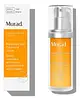
This brightening serum is formulated around Glycolic Acid and Tranexamic Acid to fade the look of dark spots and brighten dull-looking skin.
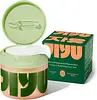
This smoothing toner pad uses a pre-saturated pad with Niacinamide and Maltobionic Acid to refine skin texture and soften the look of wrinkles.


What's inside
What's inside
 Key Ingredients
Benefits
Concerns
Ingredients Side-by-side
Water
Skin ConditioningAlcohol Denat.
Antimicrobial




Glycolic Acid
Buffering









Butylene Glycol
Humectant

Glycerin
Humectant
Methyl Gluceth-20
Humectant
Tranexamic Acid
Astringent


4-Ethylresorcinol
AntimicrobialHexapeptide-2
Bleaching
Rice Amino Acids
Skin Conditioning
Urea
Buffering
Yeast Amino Acids
HumectantTrehalose
Humectant
Inositol
Humectant
Taurine
BufferingBetaine
Humectant
Zinc Gluconate
Skin Conditioning
Dipotassium Glycyrrhizate
Humectant
Allantoin
Skin Conditioning
Hydroxyethylcellulose
Emulsion StabilisingSodium Metabisulfite
Antioxidant

Sodium Sulfite
Preservative
Sodium Hydroxide
BufferingPPG-26-Buteth-26
Skin ConditioningPEG-40 Hydrogenated Castor Oil
Emulsifying
Polyquaternium-4
Disodium EDTA
Limonene
Perfuming

Benzyl Salicylate
Perfuming
Linalool
Perfuming
Parfum
Masking
Water, Alcohol Denat., Glycolic Acid, Butylene Glycol, Glycerin, Methyl Gluceth-20, Tranexamic Acid, 4-Ethylresorcinol, Hexapeptide-2, Rice Amino Acids, Urea, Yeast Amino Acids, Trehalose, Inositol, Taurine, Betaine, Zinc Gluconate, Dipotassium Glycyrrhizate, Allantoin, Hydroxyethylcellulose, Sodium Metabisulfite, Sodium Sulfite, Sodium Hydroxide, PPG-26-Buteth-26, PEG-40 Hydrogenated Castor Oil, Polyquaternium-4, Disodium EDTA, Limonene, Benzyl Salicylate, Linalool, Parfum
Water
Skin ConditioningNiacinamide
Smoothing
Polysorbate 20
Emulsifying
Propanediol
Solvent
Sodium Hyaluronate
Humectant
Maltobionic Acid
Buffering
Trisodium Ethylenediamine Disuccinate
Alpha-Arbutin
Antioxidant
Butylene Glycol
Humectant
Centella Asiatica Extract
Cleansing
Madecassoside
Antioxidant
Asiaticoside
Antioxidant
Dipotassium Glycyrrhizate
Humectant
Allantoin
Skin Conditioning
Palmitoyl Tripeptide-1
Skin Conditioning
Acetyl Hexapeptide-8
Humectant
Palmitoyl Tetrapeptide-7
Skin Conditioning
3-O-Ethyl Ascorbic Acid
Skin Conditioning
Lecithin
Emollient
Acetyl Glutamine
Skin ConditioningSh-Oligopeptide-1
Skin Conditioning
Sh-Oligopeptide-2
Skin Conditioning
Sh-Polypeptide-1
Skin Conditioning
Sh-Polypeptide-9
Skin Conditioning
Sh-Polypeptide-11
Bacillus/Folic Acid Ferment Filtrate Extract
Antioxidant
Snail Secretion Filtrate
Skin Conditioning
Betaine
Humectant
Glycyrrhiza Glabra Root Extract
Bleaching
Caprylic/Capric Triglyceride
Masking
Menthyl Lactate
Masking
Decyl Glucoside
Cleansing
Lauryl Glucoside
CleansingCucumis Sativus Fruit Extract
Emollient
Eucalyptus Globulus Oil
Hydroxyacetophenone
Antioxidant
Phenoxyethanol
Preservative
Ethylhexylglycerin
Skin ConditioningWater, Niacinamide, Polysorbate 20, Propanediol, Sodium Hyaluronate, Maltobionic Acid, Trisodium Ethylenediamine Disuccinate, Alpha-Arbutin, Butylene Glycol, Centella Asiatica Extract, Madecassoside, Asiaticoside, Dipotassium Glycyrrhizate, Allantoin, Palmitoyl Tripeptide-1, Acetyl Hexapeptide-8, Palmitoyl Tetrapeptide-7, 3-O-Ethyl Ascorbic Acid, Lecithin, Acetyl Glutamine, Sh-Oligopeptide-1, Sh-Oligopeptide-2, Sh-Polypeptide-1, Sh-Polypeptide-9, Sh-Polypeptide-11, Bacillus/Folic Acid Ferment Filtrate Extract, Snail Secretion Filtrate, Betaine, Glycyrrhiza Glabra Root Extract, Caprylic/Capric Triglyceride, Menthyl Lactate, Decyl Glucoside, Lauryl Glucoside, Cucumis Sativus Fruit Extract, Eucalyptus Globulus Oil, Hydroxyacetophenone, Phenoxyethanol, Ethylhexylglycerin
Reviews
Ingredients Explained
These ingredients are found in both products.
Ingredients higher up in an ingredient list are typically present in a larger amount.
Allantoin is a soothing ingredient known for its protective and moisturizing properties; it's basically a quiet workhorse ingredient you can find in a huge range of cosmetics.
Though it can be derived from the comfrey plant, allantoin is produced synthetically for cosmetic products to ensure purity.
Research shows it can encourage your skin cells to turn over and renew by stimulating keratinocyte and fibroblast proliferation.
It also has mild keratolytic properties to help loosen and shed dead skin cells without being harsh.
Studies also suggest allantoin can help calm inflammation by dialing down some of the chemical signals your skin sends out when it is irritated.
This ingredient is typically used in the 0.1-0.5% range, and the FDA recognizes it as a skin protectant in OTC products up to 2%.
Overall, allantoin is a wonderful addition to most routines; it is stable across a wide pH range (~4-8), works well with other ingredients, and is considered non-sensitizing/non-irritating.
Fun fact: Allantoin is naturally occurring in comfrey root, beets, chamomile, and wheat sprouts. Our bodies even produce it as a byproduct of uric acid metabolism.
Learn more about AllantoinBetaine is a humectant. Like hyaluronic acid, it helps attract and retain moisture in the skin. It’s known for being gentle and for helping the skin maintain balanced hydration.
Betaine is mainly used to improve hydration and support calmer skin. It helps skin cells regulate water balance because it functions as an osmolyte.
Some studies suggest betaine may support making skin tone more even.
Fun fact: Betaine naturally exists in the skin and the body. In cosmetic products, it can be either plant-derived (most commonly from sugar beets) or synthetically produced for consistency and stability.
Betaine is also known as trimethylglycine.
Learn more about BetaineButylene Glycol (or BG) is used within cosmetic products for a few different reasons:
Overall, Butylene Glycol is a safe and well-rounded ingredient that works well with other ingredients.
Though this ingredient works well with most skin types, some people with sensitive skin may experience a reaction such as allergic rashes, closed comedones, or itchiness.
Learn more about Butylene GlycolDipotassium Glycyrrhizate comes from licorice root.
Extracts of licorice have demonstrated to have antibacterial, anti‐inflammatory, antiviral, antioxidant properties.
One component, glabridin, has extra potent antioxidant and soothing properties. It has also been found to block pigmentation from UVB rays in guinea pigs.
Licorice Root also contains a flavonoid. Flavonoids are a natural substance from in plants. Flavonoids also have antioxidant properties.
Another component, glycyrrhizin, has been found to have anti-inflammatory and antimicrobial benefits. This may make licorice root extract effective at treating acne. However, more research is needed to support this.
Liquiritin is one of the flavone compounds found in licorice. It has been found to help lighten skin by preventing tyrosinase from reacting with tyrosine. When the two react, protein is converted to melanin. Melanin is the substance in your body that gives your features pigmentation.
Licorice root is native to Southern Europe and Asia. It has been used in traditional Chinese medicine to help with respiratory issues.
Learn more about Dipotassium GlycyrrhizateWater. It's the most common cosmetic ingredient of all. You'll usually see it at the top of ingredient lists, meaning that it makes up the largest part of the product.
So why is it so popular? Water most often acts as a solvent - this means that it helps dissolve other ingredients into the formulation.
You'll also recognize water as that liquid we all need to stay alive. If you see this, drink a glass of water. Remember to stay hydrated!
Learn more about Water

