
What's inside
What's inside
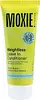 Key Ingredients
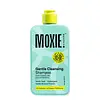
Benefits
Concerns
Ingredients Side-by-side
Water
Skin ConditioningCetearyl Alcohol
Emollient






Behentrimonium Chloride
Preservative
Caprylic/Capric Triglyceride
Masking

Quaternium-91
Mangifera Indica Seed Butter
Skin Conditioning
Phenoxyethanol
Preservative
Cetrimonium Methosulfate
AntimicrobialButyrospermum Parkii Butter
Skin Conditioning
Polyquaternium-11
Polyquaternium-7
Panax Ginseng Extract
Antioxidant
Polyquaternium-10
Sodium Gluconate
ChelatingTheobroma Grandiflorum Seed Butter
Skin Conditioning
Tocopheryl Acetate
Antioxidant

Saccharide Isomerate
Humectant
Linum Usitatissimum Seed Extract
Perfuming
Salvia Hispanica Seed Extract
Emollient
Parfum
Masking

Ethylhexylglycerin
Skin ConditioningPg-Hydroxyethylcellulose Cocodimonium Chloride
Lactobacillus/Tomato Fruit Ferment Extract
Skin ConditioningOryza Sativa Extract
Absorbent

Keratin Amino Acids
Skin ConditioningLeuconostoc/Radish Root Ferment Filtrate
Antimicrobial
Citric Acid
Buffering
Sodium Citrate
BufferingAcyl Coenzyme A Desaturase
Skin ConditioningWater, Cetearyl Alcohol, Behentrimonium Chloride, Caprylic/Capric Triglyceride, Quaternium-91, Mangifera Indica Seed Butter, Phenoxyethanol, Cetrimonium Methosulfate, Butyrospermum Parkii Butter, Polyquaternium-11, Polyquaternium-7, Panax Ginseng Extract, Polyquaternium-10, Sodium Gluconate, Theobroma Grandiflorum Seed Butter, Tocopheryl Acetate, Saccharide Isomerate, Linum Usitatissimum Seed Extract, Salvia Hispanica Seed Extract, Parfum, Ethylhexylglycerin, Pg-Hydroxyethylcellulose Cocodimonium Chloride, Lactobacillus/Tomato Fruit Ferment Extract, Oryza Sativa Extract, Keratin Amino Acids, Leuconostoc/Radish Root Ferment Filtrate, Citric Acid, Sodium Citrate, Acyl Coenzyme A Desaturase
Water
Skin ConditioningSodium Cocoyl Isethionate
Cleansing
Cocamidopropyl Betaine
Cleansing
Glycerin
Humectant
Sodium Cocoyl Glycinate
Cleansing
Cyamopsis Tetragonoloba Gum
Emulsion StabilisingGlycol Stearate
Emollient
PEG-90m
Emulsion StabilisingPhenoxyethanol
Preservative
Ethylhexylglycerin
Skin ConditioningSodium Chloride
MaskingPolymnia Sonchifolia Root Extract
Skin ConditioningXanthan Gum
EmulsifyingSodium Benzoate
Masking
Potassium Sorbate
Preservative
Wheat Amino Acids
Skin ConditioningSoy Amino Acids
Skin ConditioningArginine Hcl
Skin ConditioningSerine
Masking
Threonine
Linum Usitatissimum Seed Extract
Perfuming
Salvia Hispanica Seed Extract
Emollient
Hydrolyzed Sweet Almond Protein
Skin ConditioningC8-12 Acid Triglyceride
Skin ConditioningIsopropyl Myristate
Emollient
Tocopheryl Acetate
Antioxidant
Parfum
Masking
Sodium Gluconate
ChelatingLactobacillus/Tomato Fruit Ferment Extract
Skin ConditioningOryza Sativa Extract
Absorbent
Keratin Amino Acids
Skin ConditioningAcyl Coenzyme A Desaturase
Skin ConditioningCitric Acid
Buffering
Water, Sodium Cocoyl Isethionate, Cocamidopropyl Betaine, Glycerin, Sodium Cocoyl Glycinate, Cyamopsis Tetragonoloba Gum, Glycol Stearate, PEG-90m, Phenoxyethanol, Ethylhexylglycerin, Sodium Chloride, Polymnia Sonchifolia Root Extract, Xanthan Gum, Sodium Benzoate, Potassium Sorbate, Wheat Amino Acids, Soy Amino Acids, Arginine Hcl, Serine, Threonine, Linum Usitatissimum Seed Extract, Salvia Hispanica Seed Extract, Hydrolyzed Sweet Almond Protein, C8-12 Acid Triglyceride, Isopropyl Myristate, Tocopheryl Acetate, Parfum, Sodium Gluconate, Lactobacillus/Tomato Fruit Ferment Extract, Oryza Sativa Extract, Keratin Amino Acids, Acyl Coenzyme A Desaturase, Citric Acid
Ingredients Explained
These ingredients are found in both products.
Ingredients higher up in an ingredient list are typically present in a larger amount.
We don't have a description for Acyl Coenzyme A Desaturase yet.
Citric Acid is an alpha hydroxy acid (AHA) naturally found in citrus fruits like oranges, lemons, and limes.
Like other AHAs, citric acid can exfoliate skin by breaking down the bonds that hold dead skin cells together. This helps reveal smoother and brighter skin underneath.
However, this exfoliating effect only happens at high concentrations (20%) which can be hard to find in cosmetic products.
Due to this, citric acid is usually included in small amounts as a pH adjuster. This helps keep products slightly more acidic and compatible with skin's natural pH.
In skincare formulas, citric acid can:
While it can provide some skin benefits, research shows lactic acid and glycolic acid are generally more effective and less irritating exfoliants.
Most citric acid used in skincare today is made by fermenting sugars (usually from molasses). This synthetic version is identical to the natural citrus form but easier to stabilize and use in formulations.
Rosacea skin has a lower threshold for acids generally, with 62.5% of rosacea subjects in one study reacting to lactic acid in a sting test. This is why we mark citric acid as a potential rosacea trigger.
However, this ingredient shows up as a pH adjuster or chelator at roughly 0.1-1% in many products. These low levels are unlikely to be an issue for rosacea skin and becomes a potential trigger at exfoliating concentrations (20%). Because everybody's skin is unique, we recommend a patch test if you are unsure.
Learn more about Citric AcidEthylhexylglycerin is created from glycerin. It is a multitasker ingredient that:
The CIR Expert Panel found minimal skin absorption or sensitization of any kind in a safety assessment. Though this ingredient is considered well-tolerated, a small number of cases of allergic dermatitis have been published since 2002. Just be sure to patch test if you are unsure.
Industry-reported use ranges from 8% in rinse-off products and 2% in leave-on formulations.
Learn more about EthylhexylglycerinWe don't have a description for Keratin Amino Acids yet.
We don't have a description for Lactobacillus/Tomato Fruit Ferment Extract yet.
This ingredient is also known as flaxseed extract. It has skin conditioning and perfuming properties.
Flaxseed naturally contains polysaccharides (sugars) and small amounts of fatty acid-related compounds to help hydrate the skin. The seed also contains antioxidants being studied for its effects on inflammation pathways.
A small clinical trial found topical flaxseed oil improved hand eczema over the course of 4 weeks. In an animal study, topical flaxseed cream supported wound-healing outcomes.
Overall, flaxseed is a great hydrating and barrier supporting ingredient. Like other plant extracts, some rare cases of allergic reactions can occur.
Though flaxseed has a perfuming function according to INCI, this doesn't mean the ingredient is added as a fragrance. It just means the material can contribute an odor or modify the scent of a formula.
Learn more about Linum Usitatissimum Seed ExtractOryza Sativa Extract comes from the rice grain, Oryza sativa. Rice extract has wound healing, antioxidant, anti-inflammatory, and hydrating properties.
Rice grains contain numerous antioxidants which may help with anti-aging, such as vitamin E. Antioxidants help stabilize free-radical molecules. Unstable free-radical molecules may damage your skin cells and accelerate signs of aging.
A study from 2002 found rice to help increase the rate of wound healing. The same study found an improvement of skin barrier function in the patients after taking rice baths.
Numerous in-vitro studies have found rice water to help decrease sun damage by increasing collagen production and inhibiting the process of tyrosinase.
Long story short- tyrosinase is an enzyme that controls melanin production. Our bodies start producing melanin (AKA tanning) when exposed to UV radiation to protect against damage. Rice water is found to partially block this process.
Though more research is needed on rice's ability to help with UV protection, recent studies seem promising.
Wondering why rice is hydrating? The protein in rice have emollient properties. Emollients create a barrier on the skin to trap moisture in, keeping your skin moisturized.
Some rice extract may have mildly-exfoliating properties. These are mainly limited to Oryza Sativa (Rice) Bran and Oryza Sativa (Rice) Germ Powder.
This rice was first cultivated in China over 10,000 years ago. Many cultures throughout Asia have used rice water on skin and hair for centuries.
Learn more about Oryza Sativa ExtractParfum is a catch-all term for an ingredient or more that is used to give a scent to products.
Also called "fragrance", this ingredient can be a blend of hundreds of chemicals or plant oils. This means every product with "fragrance" or "parfum" in the ingredients list is a different mixture.
For instance, Habanolide is a proprietary trade name for a specific aroma chemical. When used as a fragrance ingredient in cosmetics, most aroma chemicals fall under the broad labeling category of “FRAGRANCE” or “PARFUM” according to EU and US regulations.
The term 'parfum' or 'fragrance' is not regulated in many countries. In many cases, it is up to the brand to define this term.
For instance, many brands choose to label themselves as "fragrance-free" because they are not using synthetic fragrances. However, their products may still contain ingredients such as essential oils that are considered a fragrance by INCI standards.
One example is Calendula flower extract. Calendula is an essential oil that still imparts a scent or 'fragrance'.
Depending on the blend, the ingredients in the mixture can cause allergies and sensitivities on the skin. Some ingredients that are known EU allergens include linalool and citronellol.
Parfum can also be used to mask or cover an unpleasant scent.
The bottom line is: not all fragrances/parfum/ingredients are created equally. If you are worried about fragrances, we recommend taking a closer look at an ingredient. And of course, we always recommend speaking with a professional.
Learn more about ParfumPhenoxyethanol is one of the most widely used preservatives in skincare (and for good reason!).
It has a large spectrum of antimicrobial activity and especially effective bacteria, yeast, and mold while only having a weak effect on your skin's natural microbiome.
On a cellular level, it disrupts the cell membranes of microbes by poking holes that make the cell leak. This shuts down the chemical reactions the microbe needs to make energy so it can no longer survive.
Another perk of this ingredient is that it stays functional across a wide pH range (3-10).
You'll often see it paired with boosters like Ethylhexylglycerin; one study showed that a 1:9 ratio of Ethylhexylglycerin to Phenoxyethanol damages bacterial membranes as effectively as doubling the Phenoxyethanol concentration on its own.
Typical use concentrations range from 0.3-1% depending on the formula, and this ingredient is capped at 1% int the EU.
Safety-wise, the fear mongering does not hold up to the evidence. The EU's Scientific Committee on Consumer Safety and FDA consider it safe as a preservative at up to 1%, including for children of all ages.
Adverse systemic effects only showed up in animal studies at exposures roughly 200x higher than what people get from cosmetics. And despite its very widespread use, this ingredient is a rare sensitizer and allergic reactions are uncommon.
Learn more about PhenoxyethanolThis ingredient comes from chia seeds (the same ones you put in your smoothie!). It has emollient and skin conditioning properties due to its rich concentration of linoleic acid and polyunsaturated fatty acids.
One small clinical study of 10 people found that a 4% chia seed oil formulation significantly improved skin hydration and soothed itchiness in 8 weeks. Another study showed using a chia seed extract enriched with vitamin F told skin cells to produce more of their own hydration factors.
There's also some lab evidence that chia seed extract, when paired with pomegranate extract, may help reduce excess pigment production.
Learn more about Salvia Hispanica Seed ExtractSodium Gluconate is the sodium salt of gluconic acid. In skincare, its main job is as a chelator.
Chelators grab onto stray metal ions like iron and copper that sneak in through water, raw materials, or manufacturing equipment. This stops them from triggering reactions that cause oils to go rancid, formulas to change color, and actives like vitamin C to fall apart.
This ingredient is often chosen as a biodegradable, gentler-sounding alternative to EDTA. It also pulls double duty as a mild humectant and pH buffer.
Typical use levels sit around 0.1-1% and supplier documents list up to 10% as an acceptable ceiling. Industry data found this ingredient family is mostly used well below 1% in leave on products.
Allergy risk is very low; animal testing has found it to be non-irritating to skin and eyes, mutagenicity assays came back negative, and there are no published reports of allergic contact dermatitis to it.
Learn more about Sodium GluconateTocopheryl Acetate is a stable, shelf-friendly form of vitamin E.
Formulators love it because plain vitamin E oxidizes quickly once it hits air. This acetate version stays stable and resists going off, helping to extend a product's shelf life.
It's actually inactive on its own and works like a slow-release "storage" form; the enzymes in your skin called esterases gradually convert it into active vitamin E over time.
One in vivo study showed 5% of the acetate in the living layer of the epidermis converted to vitamin E after 5 days of application. This study also found the skin gained protection against UV damage even though the conversion was slow and small.
Once converted, vitamin E acts as a skin's main fat-soluble antioxidant that fights free radicals to protect skin from damage.
Topical vitamin E generally boosts the skin's photoprotection, and it reduced UV-damage in animal models.
This ingredient has some brightening potential but it's more of a prevention ingredient than spot-fader. Cell studies show it can slow down melanin production but it's worth noting that it's not the most powerful brightener out there.
Overall, it has a pretty solid safety profile and has been found to be non-irritating and non-comedogenic. Allergic reactions may happen but stay rare due to how widely the ingredient gets used.
The concentration will vary depending on the formula; industry data shows 0.1% in baby lotions, 3% in lipsticks, and 5% in foot powders. You can also find this ingredient at 100% in a pure vitamin E oil.
Most leave-on skincare keeps it at the lower end, often between 0.5-1%.
Learn more about Tocopheryl AcetateWater. It's the most common cosmetic ingredient of all. You'll usually see it at the top of ingredient lists, meaning that it makes up the largest part of the product.
So why is it so popular? Water most often acts as a solvent - this means that it helps dissolve other ingredients into the formulation.
You'll also recognize water as that liquid we all need to stay alive. If you see this, drink a glass of water. Remember to stay hydrated!
Learn more about Water

