
What's inside
What's inside
 Key Ingredients
Benefits
Concerns
Ingredients Side-by-side
Water
Skin ConditioningCaprylyl/Capryl Glucoside
CleansingSodium Methyl Cocoyl Taurate
Cleansing
Cocamidopropyl Betaine
Cleansing


Sodium Cocoamphoacetate
CleansingSodium Lauroyl Sarcosinate
CleansingGlycerin
Humectant


Xanthan Gum
EmulsifyingSalmon Oil
Skin Conditioning

Keratin
Skin ConditioningGlyceryl Stearate
Emollient
Panthenol
Skin Conditioning

Polyquaternium-73
Polyquaternium-10
Tocopherol
Antioxidant




Sodium PCA
Humectant
Potassium Sorbate
Preservative
Sodium Gluconate
ChelatingPhenoxyethanol
Preservative
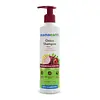
Water, Caprylyl/Capryl Glucoside, Sodium Methyl Cocoyl Taurate, Cocamidopropyl Betaine, Sodium Cocoamphoacetate, Sodium Lauroyl Sarcosinate, Glycerin, Xanthan Gum, Salmon Oil, Keratin, Glyceryl Stearate, Panthenol, Polyquaternium-73, Polyquaternium-10, Tocopherol, Sodium PCA, Potassium Sorbate, Sodium Gluconate, Phenoxyethanol
Water
Skin ConditioningSodium Cocoyl Isethionate
Cleansing
Cocamidopropyl Betaine
Cleansing
Glycerin
Humectant
Sodium Cocoyl Glycinate
Cleansing
Cyamopsis Tetragonoloba Gum
Emulsion StabilisingGlycol Stearate
Emollient
PEG-90m
Emulsion StabilisingPhenoxyethanol
Preservative
Ethylhexylglycerin
Skin ConditioningSodium Chloride
MaskingPolymnia Sonchifolia Root Extract
Skin ConditioningXanthan Gum
EmulsifyingSodium Benzoate
Masking
Potassium Sorbate
Preservative
Wheat Amino Acids
Skin ConditioningSoy Amino Acids
Skin ConditioningArginine Hcl
Skin ConditioningSerine
Masking
Threonine
Linum Usitatissimum Seed Extract
Perfuming
Salvia Hispanica Seed Extract
Emollient
Hydrolyzed Sweet Almond Protein
Skin ConditioningC8-12 Acid Triglyceride
Skin ConditioningIsopropyl Myristate
Emollient

Tocopheryl Acetate
Antioxidant
Parfum
Masking
Sodium Gluconate
ChelatingLactobacillus/Tomato Fruit Ferment Extract
Skin ConditioningOryza Sativa Extract
Absorbent
Keratin Amino Acids
Skin ConditioningAcyl Coenzyme A Desaturase
Skin ConditioningCitric Acid
Buffering
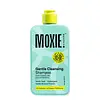
Water, Sodium Cocoyl Isethionate, Cocamidopropyl Betaine, Glycerin, Sodium Cocoyl Glycinate, Cyamopsis Tetragonoloba Gum, Glycol Stearate, PEG-90m, Phenoxyethanol, Ethylhexylglycerin, Sodium Chloride, Polymnia Sonchifolia Root Extract, Xanthan Gum, Sodium Benzoate, Potassium Sorbate, Wheat Amino Acids, Soy Amino Acids, Arginine Hcl, Serine, Threonine, Linum Usitatissimum Seed Extract, Salvia Hispanica Seed Extract, Hydrolyzed Sweet Almond Protein, C8-12 Acid Triglyceride, Isopropyl Myristate, Tocopheryl Acetate, Parfum, Sodium Gluconate, Lactobacillus/Tomato Fruit Ferment Extract, Oryza Sativa Extract, Keratin Amino Acids, Acyl Coenzyme A Desaturase, Citric Acid
Ingredients Explained
These ingredients are found in both products.
Ingredients higher up in an ingredient list are typically present in a larger amount.
Cocamidopropyl Betaine is a fatty acid created by mixing similar compounds in coconut oil and dimethylaminopropylamine, a compound with two amino groups.
This ingredient is a surfactant and cleanser. It helps gather the dirt, pollutants, and other impurities in your skin to be washed away. It also helps thicken a product and make the texture more creamy.
Being created from coconut oil means Cocamidopropyl Betaine is hydrating for the skin.
While Cocamidopropyl Betaine was believed to be an allergen, a study from 2012 disproved this. It found two compounds in unpure Cocamidopropyl Betaine to be the irritants: aminoamide and 3-dimethylaminopropylamine. High-grade and pure Cocamidopropyl Betaine did not induce allergic reactions during this study.
Learn more about Cocamidopropyl BetaineGlycerin (or glycerol) is a compound naturally found in your skin. It's a powerhouse humectant that pulls water into the stratum corneum.
Topically, glycerin does several things at once:
Your skin makes glycerin on its own (mostly from sebaceous oil breakdown) and shuttles it to your outermost layer of skin, or your epidermis, via aquaporin-3.
Aquaporin-3 is a transporter that is essential for normal skin hydration, elasticity, and repair. Interestingly, mice lacking in AQP3 have dry and less elastic skin that can be fully corrected with glycerin.
This ingredient is non-irritating, plays well with almost every ingredient, and works across all skin types. Typical use is anywhere between 3-10% but can go up to 79% in some leave-on products.
Just know very high concentrations (>40%) can feel tacky in low humidity.
Glycerin is the name for this ingredient in American English. British English uses Glycerol/Glycerine.
Learn more about GlycerinPhenoxyethanol is one of the most widely used preservatives in skincare (and for good reason!).
It has a large spectrum of antimicrobial activity and especially effective bacteria, yeast, and mold while only having a weak effect on your skin's natural microbiome.
On a cellular level, it disrupts the cell membranes of microbes by poking holes that make the cell leak. This shuts down the chemical reactions the microbe needs to make energy so it can no longer survive.
Another perk of this ingredient is that it stays functional across a wide pH range (3-10).
You'll often see it paired with boosters like Ethylhexylglycerin; one study showed that a 1:9 ratio of Ethylhexylglycerin to Phenoxyethanol damages bacterial membranes as effectively as doubling the Phenoxyethanol concentration on its own.
Typical use concentrations range from 0.3-1% depending on the formula, and this ingredient is capped at 1% int the EU.
Safety-wise, the fear mongering does not hold up to the evidence. The EU's Scientific Committee on Consumer Safety and FDA consider it safe as a preservative at up to 1%, including for children of all ages.
Adverse systemic effects only showed up in animal studies at exposures roughly 200x higher than what people get from cosmetics. And despite its very widespread use, this ingredient is a rare sensitizer and allergic reactions are uncommon.
Learn more about PhenoxyethanolPotassium Sorbate is a preservative used to prevent yeast and mold in products. It is commonly found in both cosmetic and food products.
This ingredient comes from potassium salt derived from sorbic acid. Sorbic acid is a natural antibiotic and effective against fungus.
Both potassium sorbate and sorbic acid can be found in baked goods, cheeses, dried meats, dried fruit, ice cream, pickles, wine, yogurt, and more.
You'll often find this ingredient used with other preservatives.
Learn more about Potassium SorbateSodium Gluconate is the sodium salt of gluconic acid. In skincare, its main job is as a chelator.
Chelators grab onto stray metal ions like iron and copper that sneak in through water, raw materials, or manufacturing equipment. This stops them from triggering reactions that cause oils to go rancid, formulas to change color, and actives like vitamin C to fall apart.
This ingredient is often chosen as a biodegradable, gentler-sounding alternative to EDTA. It also pulls double duty as a mild humectant and pH buffer.
Typical use levels sit around 0.1-1% and supplier documents list up to 10% as an acceptable ceiling. Industry data found this ingredient family is mostly used well below 1% in leave on products.
Allergy risk is very low; animal testing has found it to be non-irritating to skin and eyes, mutagenicity assays came back negative, and there are no published reports of allergic contact dermatitis to it.
Learn more about Sodium GluconateWater. It's the most common cosmetic ingredient of all. You'll usually see it at the top of ingredient lists, meaning that it makes up the largest part of the product.
So why is it so popular? Water most often acts as a solvent - this means that it helps dissolve other ingredients into the formulation.
You'll also recognize water as that liquid we all need to stay alive. If you see this, drink a glass of water. Remember to stay hydrated!
Learn more about WaterXanthan gum is used as a stabilizer and thickener within cosmetic products. It helps give products a sticky, thick feeling - preventing them from being too runny.
On the technical side of things, xanthan gum is a polysaccharide - a combination consisting of multiple sugar molecules bonded together.
Xanthan gum is a pretty common and great ingredient. It is a natural, non-toxic, non-irritating ingredient that is also commonly used in food products.
Learn more about Xanthan Gum

