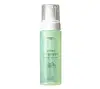
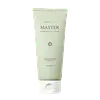
Mommy Care Mung Bean Melting Bubble Cleansing Foam Versus Mixsoon Master Gentle Recipe Foam Cleanser
This mild foaming cleanser is made to cleanse while calming and soothing your skin.

What's inside
What's inside
 Key Ingredients
Benefits
Concerns
Ingredients Side-by-side
Water
Skin ConditioningDisodium Cocoamphodiacetate
Cleansing1,2-Hexanediol
Skin Conditioning
Sodium Chloride
MaskingPotassium Cocoyl Glycinate
Surfactant
Butylene Glycol
Humectant
Vigna Radiata Seed Extract
Skin ConditioningHexylene Glycol
EmulsifyingDisodium EDTA
ChelatingGluconolactone
Chelating







Papain
Skin Conditioning
Pentaerythrityl Tetraisostearate
Emollient

Caprylic/Capric Triglyceride
Masking
Melaleuca Alternifolia Leaf Extract
Perfuming
Hyaluronic Acid
Humectant
Stearalkonium Hectorite
Gel FormingCaprylyl Glycol
Emollient
Propylene Carbonate
SolventMadecassoside
Antioxidant

Asiaticoside
Antioxidant
Ethylhexylglycerin
Skin ConditioningPalmitoyl Tetrapeptide-7
Skin Conditioning
Madecassic Acid
Skin Conditioning
Asiatic Acid
Skin Conditioning
Water, Disodium Cocoamphodiacetate, 1,2-Hexanediol, Sodium Chloride, Potassium Cocoyl Glycinate, Butylene Glycol, Vigna Radiata Seed Extract, Hexylene Glycol, Disodium EDTA, Gluconolactone, Papain, Pentaerythrityl Tetraisostearate, Caprylic/Capric Triglyceride, Melaleuca Alternifolia Leaf Extract, Hyaluronic Acid, Stearalkonium Hectorite, Caprylyl Glycol, Propylene Carbonate, Madecassoside, Asiaticoside, Ethylhexylglycerin, Palmitoyl Tetrapeptide-7, Madecassic Acid, Asiatic Acid
Water
Skin ConditioningSodium Cocoyl Alaninate
Surfactant
Glycerin
Humectant
Disodium Cocoamphodiacetate
CleansingAcrylates/C10-30 Alkyl Acrylate Crosspolymer
Emulsion StabilisingPotassium Cocoate
Emulsifying

Coco-Glucoside
Cleansing
Decyl Glucoside
Cleansing
Centella Asiatica Extract
Cleansing
Houttuynia Cordata Powder
Skin ConditioningMadecassoside
Antioxidant
Ceramide NP
Skin Conditioning
Panthenol
Skin Conditioning
Gluconolactone
Chelating
Capryloyl Salicylic Acid
Exfoliating

Hyaluronic Acid
Humectant
Theobroma Cacao Seed Extract
Antioxidant
Sodium Chloride
MaskingDisodium EDTA
ChelatingDextrin
AbsorbentHexylene Glycol
EmulsifyingPotassium Benzoate
Preservative
Hydroxyacetophenone
Antioxidant
Water, Sodium Cocoyl Alaninate, Glycerin, Disodium Cocoamphodiacetate, Acrylates/C10-30 Alkyl Acrylate Crosspolymer, Potassium Cocoate, Coco-Glucoside, Decyl Glucoside, Centella Asiatica Extract, Houttuynia Cordata Powder, Madecassoside, Ceramide NP, Panthenol, Gluconolactone, Capryloyl Salicylic Acid, Hyaluronic Acid, Theobroma Cacao Seed Extract, Sodium Chloride, Disodium EDTA, Dextrin, Hexylene Glycol, Potassium Benzoate, Hydroxyacetophenone
Reviews
Ingredients Explained
These ingredients are found in both products.
Ingredients higher up in an ingredient list are typically present in a larger amount.
Disodium Cocoamphodiacetate is a surfactant and helps cleanse skin. It is created from the fatty acids of coconut oil.
Surfactants help rinse oil, dirt, and other pollutants easily from skin. It has a faint fruit-like scent.
Disodium EDTA is a chelating agent. It grabs onto and deactivates metal ions that sneak into your products from water, packaging, or air.
This ingredient mainly works behind the scenes and helps with:
On top of that, this ingredient can counteract the effects of hard water by binding to the minerals in it.
One thing worth knowing is that Disodium EDTA has been shown to be a mild penetration enhancer. It can help other ingredients absorb into skin more effectively which can be a double-edged sword (great for actives, but can also make the active too strong if you have sensitive skin).
Clinical patch testing showed no significant skin irritation at typical use concentrations and minimal dermal absorption.
You'll most likely see this ingredient near the end of an ingredient list. It's typically found in concentrations less than 1%.
Learn more about Disodium EDTAGluconolactone is a PHA. PHAs are a great gentle alternative to traditional AHAs.
When applied, Gluconolactone has the same affect on skin as AHAs such as lactic acid. It helps dissolve the dead skin cells in the top layer of your skin. This improves texture and brightens the skin.
PHAs are more gentle than AHAs due to their larger structure. They do not penetrate as deeply as AHAs and take a longer time to dissolve dead cells. Studies show PHAs do not cause as much irritation.
Gluconolactone has some interesting properties:
In a 2004 study, Gluconolactone was found to prevent UV damage in mouse skin cells and has not been found to increase sun sensitivity. However, we still recommend wearing SPF daily.
This ingredient is is an created by reacting gluconic acid with an alcohol.
Learn more about GluconolactoneHexylene Glycol is a multitasker ingredient that works as a solvent, humectant, emulsifier, viscosity reducer, and preservative booster.
It is able to dissolve both water and oil-soluble ingredients to stabilize tricky actives and make products spread more easily.
As a humectant, it pulls water into the skin. But it's a pretty minor moisturizing ingredient compared to other humectants, like glycerin.
Interestingly, it can act as a mild penetration enhancer. One in vitro study on human skin found a 12% concentration upped the absorption of mometasone furoate (a medicinal ingredient used to treat inflammatory skin conditions) up to 7%.
This ingredient is typically used at levels of 0.1-10% depending on the role it's playing.
A patch test study on eczema patients didn't find a significant increase in irritation versus the control group, but the potential for irritation rises at higher concentrations.
Learn more about Hexylene GlycolHyaluronic acid (HA) is a glycosaminoglycan (basically a long sugar chain) that your skin already makes on its own. In your skin, HA lives in the extracellular matrix and acts as the body's moisture reservoir.
Topically, HA is a humectant that binds water and helps skin look more plump, smooth, and hydrated.
The only catch is that HA isn't a single thing; it actually comes in a wide range of molecular weights (~50 - 2,000+ kDA) and size matters.
Some clinical evidence links low molecular weight versions to improved wrinkle depth, elasticity, anti-inflammatory effects, and barrier repair.
This is why the best HA serums blend the two sizes together so you get the best of both worlds.
The majority of cosmetic HA is produced by bacterial fermentation, typically using Streptococcus or Bacillus strains. Typical use levels in skincare sit around 0.1-2%.
A clinical study using a 0.2% low-molecular weight HA gel showed improvement in facial seborrheic dermatitis with excellent tolerance.
These are some other common types of Hyaluronic Acid:
Learn more about Hyaluronic AcidMadecassoside is one of four active compounds found in Centella asiatica and is one of the main reasons Centella is so effective at calming irritated skin and supporting the moisture barrier.
There's a solid body of peer-reviewed research backing Madecassoside for several skin benefits. Studies have found:
Madecassoside pairs well with other hydrating or antioxidant ingredients like Ascorbic Acid or Hyaluronic Acid.
Learn more about MadecassosideChances are, you eat sodium chloride every day. Sodium Chloride is also known as table salt. This ingredient has many purposes in skincare: thickener, emulsifier, and exfoliator.
You'll most likely find this ingredient in cleansers where it is used to create a gel-like texture. As an emulsifier, it also prevents ingredients from separating.
You might see people debate whether Sodium Chloride is comedogenic, but there actually haven't been any comedogenic tests done on it. Either way, the overall formulation of a product matters a lot more than any single ingredient.
You might see this ingredient used in scrubs as a primary exfoliating ingredient.
Learn more about Sodium ChlorideWater. It's the most common cosmetic ingredient of all. You'll usually see it at the top of ingredient lists, meaning that it makes up the largest part of the product.
So why is it so popular? Water most often acts as a solvent - this means that it helps dissolve other ingredients into the formulation.
You'll also recognize water as that liquid we all need to stay alive. If you see this, drink a glass of water. Remember to stay hydrated!
Learn more about Water

