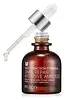
This barrier-repair ampoule is formulated around Snail Secretion Filtrate and Copper Tripeptide-1 to strengthen the skin barrier and soften the look of wrinkles.
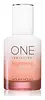
This brightening ampoule is formulated around Euterpe Oleracea Fruit Extract and Niacinamide to brighten dull-looking skin.

What's inside
What's inside
 Key Ingredients
Benefits
Concerns
Ingredients Side-by-side
Snail Secretion Filtrate
Skin Conditioning





Sodium Hyaluronate
Humectant

Butylene Glycol
Humectant
Glycerin
Humectant
Alcohol Denat.
Antimicrobial




Panthenol
Skin Conditioning
Glycereth-26
Humectant
Punica Granatum Extract
AstringentTheobroma Cacao Extract
Skin ConditioningCarbomer
Emulsion StabilisingTriethanolamine
BufferingTrehalose
Humectant
Copper Tripeptide-1
Skin Conditioning
Oligopeptide-1
Skin Conditioning

Palmitoyl Pentapeptide-4
Skin Conditioning
Cornus Officinalis Fruit Extract
Skin ConditioningNelumbium Speciosum Flower Extract
Skin ConditioningCaprylyl Glycol
Emollient
Ethylhexylglycerin
Skin ConditioningTropolone
Skin ConditioningSodium Polyacrylate
Absorbent
Adenosine
Skin Conditioning
Coptis Japonica Extract
AntimicrobialDisodium EDTA
ChelatingSnail Secretion Filtrate, Sodium Hyaluronate, Butylene Glycol, Glycerin, Alcohol Denat., Panthenol, Glycereth-26, Punica Granatum Extract, Theobroma Cacao Extract, Carbomer, Triethanolamine, Trehalose, Copper Tripeptide-1, Oligopeptide-1, Palmitoyl Pentapeptide-4, Cornus Officinalis Fruit Extract, Nelumbium Speciosum Flower Extract, Caprylyl Glycol, Ethylhexylglycerin, Tropolone, Sodium Polyacrylate, Adenosine, Coptis Japonica Extract, Disodium EDTA
Euterpe Oleracea Fruit Extract
Rubus Fruticosus Fruit Extract
AstringentVaccinium Macrocarpon Fruit Extract
AstringentVaccinium Myrtillus Fruit Extract
Skin ConditioningMethylpropanediol
SolventWater
Skin ConditioningGlycerin
Humectant
Glycereth-26
Humectant
Niacinamide
Smoothing




Diethoxyethyl Succinate
SolventDimethicone
Emollient
Butyrospermum Parkii Butter Extract
Skin Conditioning
PEG/PPG/Polybutylene Glycol-8/5/3 Glycerin
HumectantBis-PEG-18 Methyl Ether Dimethyl Silane
EmollientPhenyl Trimethicone
Skin Conditioning
Ammonium Acryloyldimethyltaurate/Vp Copolymer
Nylon-12

Butylene Glycol
Humectant
Portulaca Oleracea Extract
Skin Conditioning
PPG-26-Buteth-26
Skin ConditioningPEG-40 Hydrogenated Castor Oil
Emulsifying
Tocopheryl Acetate
Antioxidant

Titanium Dioxide
Cosmetic Colorant
Mica
Cosmetic ColorantLecithin
Emollient
Urea
Buffering
Viscum Album Leaf Extract
SoothingImperata Cylindrica Root Extract
Skin ConditioningLactobacillus/Soybean Ferment Extract
Skin ConditioningGlyceryl Caprylate
EmollientSodium Methyl Stearoyl Taurate
CleansingSynthetic Fluorphlogopite
Caprylyl Glycol
Emollient
Allantoin
Skin Conditioning
Xanthan Gum
EmulsifyingCaprylhydroxamic Acid
ChelatingCoptis Japonica Extract
AntimicrobialPaeonia Lactiflora Root Extract
Skin ConditioningConvallaria Majalis Extract
Skin ConditioningMagnolia Liliflora Flower Extract
Skin ConditioningIpomoea Purpurea Extract
Skin ConditioningLilium Candidum Flower Extract
Skin ConditioningEthylhexylglycerin
Skin ConditioningDisodium EDTA
ChelatingPhenoxyethanol
Preservative
Parfum
Masking

Euterpe Oleracea Fruit Extract, Rubus Fruticosus Fruit Extract, Vaccinium Macrocarpon Fruit Extract, Vaccinium Myrtillus Fruit Extract, Methylpropanediol, Water, Glycerin, Glycereth-26, Niacinamide, Diethoxyethyl Succinate, Dimethicone, Butyrospermum Parkii Butter Extract, PEG/PPG/Polybutylene Glycol-8/5/3 Glycerin, Bis-PEG-18 Methyl Ether Dimethyl Silane, Phenyl Trimethicone, Ammonium Acryloyldimethyltaurate/Vp Copolymer, Nylon-12, Butylene Glycol, Portulaca Oleracea Extract, PPG-26-Buteth-26, PEG-40 Hydrogenated Castor Oil, Tocopheryl Acetate, Titanium Dioxide, Mica, Lecithin, Urea, Viscum Album Leaf Extract, Imperata Cylindrica Root Extract, Lactobacillus/Soybean Ferment Extract, Glyceryl Caprylate, Sodium Methyl Stearoyl Taurate, Synthetic Fluorphlogopite, Caprylyl Glycol, Allantoin, Xanthan Gum, Caprylhydroxamic Acid, Coptis Japonica Extract, Paeonia Lactiflora Root Extract, Convallaria Majalis Extract, Magnolia Liliflora Flower Extract, Ipomoea Purpurea Extract, Lilium Candidum Flower Extract, Ethylhexylglycerin, Disodium EDTA, Phenoxyethanol, Parfum
Reviews
Ingredients Explained
These ingredients are found in both products.
Ingredients higher up in an ingredient list are typically present in a larger amount.
Butylene Glycol (or BG) is used within cosmetic products for a few different reasons:
Overall, Butylene Glycol is a safe and well-rounded ingredient that works well with other ingredients.
Though this ingredient works well with most skin types, some people with sensitive skin may experience a reaction such as allergic rashes, closed comedones, or itchiness.
Learn more about Butylene GlycolCaprylyl Glycol is a humectant, skin conditioner, emollient, and preservative booster derived from either caprylic acid or synthetically created.
Typical use levels vary from 0.3-1% as a preservative booster and go up to 2% to condition skin.
Because it is not a free-fatty acid, this ingredient is fungal acne safe (there's nothing for Malassezia to feed on).
Learn more about Caprylyl GlycolWe don't have a description for Coptis Japonica Extract yet.
Disodium EDTA is a chelating agent. It grabs onto and deactivates metal ions that sneak into your products from water, packaging, or air.
This ingredient mainly works behind the scenes and helps with:
On top of that, this ingredient can counteract the effects of hard water by binding to the minerals in it.
One thing worth knowing is that Disodium EDTA has been shown to be a mild penetration enhancer. It can help other ingredients absorb into skin more effectively which can be a double-edged sword (great for actives, but can also make the active too strong if you have sensitive skin).
Clinical patch testing showed no significant skin irritation at typical use concentrations and minimal dermal absorption.
You'll most likely see this ingredient near the end of an ingredient list. It's typically found in concentrations less than 1%.
Learn more about Disodium EDTAEthylhexylglycerin is created from glycerin. It is a multitasker ingredient that:
The CIR Expert Panel found minimal skin absorption or sensitization of any kind in a safety assessment. Though this ingredient is considered well-tolerated, a small number of cases of allergic dermatitis have been published since 2002. Just be sure to patch test if you are unsure.
Industry-reported use ranges from 8% in rinse-off products and 2% in leave-on formulations.
Learn more about EthylhexylglycerinGlycereth-26 is a synthetic ingredient and polyethylene glycol ether of Glycerin. Glycerin is already naturally found in your skin and helps keep your skin moisturized.
It is a humectant and helps add texture to products. It can make your product thicker.
As a humectant, it helps draw moisture from the air to your skin. This helps your skin stay hydrated.
Learn more about Glycereth-26Glycerin (or glycerol) is a compound naturally found in your skin. It's a powerhouse humectant that pulls water into the stratum corneum.
Topically, glycerin does several things at once:
Your skin makes glycerin on its own (mostly from sebaceous oil breakdown) and shuttles it to your outermost layer of skin, or your epidermis, via aquaporin-3.
Aquaporin-3 is a transporter that is essential for normal skin hydration, elasticity, and repair. Interestingly, mice lacking in AQP3 have dry and less elastic skin that can be fully corrected with glycerin.
This ingredient is non-irritating, plays well with almost every ingredient, and works across all skin types. Typical use is anywhere between 3-10% but can go up to 79% in some leave-on products.
Just know very high concentrations (>40%) can feel tacky in low humidity.
Glycerin is the name for this ingredient in American English. British English uses Glycerol/Glycerine.
Learn more about Glycerin

