

What's inside
What's inside
 Key Ingredients
Benefits
Concerns
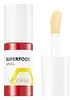
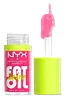
Ingredients Side-by-side
Polybutene
Diisostearyl Malate
EmollientTridecyl Trimellitate
EmollientHydrogenated Polyisobutene
EmollientOctyldodecanol
Emollient
Silica Dimethyl Silylate
EmollientWater
Skin ConditioningArgania Spinosa Kernel Oil
Emollient







Butyrospermum Parkii Butter
Skin Conditioning


Camellia Japonica Seed Oil
Emollient
Royal Jelly Extract
Skin Conditioning
Simmondsia Chinensis Seed Oil
Emollient
Honey Extract
Humectant
Propolis Extract
Skin Conditioning


Allium Sativum Bulb Extract
Skin ConditioningAvena Sativa Kernel Extract
Abrasive

Bertholletia Excelsa Seed Extract
Skin ConditioningBrassica Oleracea Italica Extract
AstringentCamellia Sinensis Seed Extract
Humectant
Salmon Egg Extract
Solanum Lycopersicum Fruit Extract
Antioxidant
Spinacia Oleracea Leaf Extract
Skin ConditioningVaccinium Corymbosum Fruit Extract
Skin ConditioningWine Extract
Antioxidant
Sorbitan Isostearate
Emulsifying
Tocopherol
Antioxidant


Polyglyceryl-2 Triisostearate
Emulsifying
Butylene Glycol
Humectant
1,2-Hexanediol
Skin Conditioning
Dehydroacetic Acid
Preservative
Parfum
Masking

CI 19140
Cosmetic ColorantCI 15985
Cosmetic ColorantBenzyl Benzoate
Antimicrobial
Polybutene, Diisostearyl Malate, Tridecyl Trimellitate, Hydrogenated Polyisobutene, Octyldodecanol, Silica Dimethyl Silylate, Water, Argania Spinosa Kernel Oil, Butyrospermum Parkii Butter, Camellia Japonica Seed Oil, Royal Jelly Extract, Simmondsia Chinensis Seed Oil, Honey Extract, Propolis Extract, Allium Sativum Bulb Extract, Avena Sativa Kernel Extract, Bertholletia Excelsa Seed Extract, Brassica Oleracea Italica Extract, Camellia Sinensis Seed Extract, Salmon Egg Extract, Solanum Lycopersicum Fruit Extract, Spinacia Oleracea Leaf Extract, Vaccinium Corymbosum Fruit Extract, Wine Extract, Sorbitan Isostearate, Tocopherol, Polyglyceryl-2 Triisostearate, Butylene Glycol, 1,2-Hexanediol, Dehydroacetic Acid, Parfum, CI 19140, CI 15985, Benzyl Benzoate
Polyisobutene
Hydrogenated Polyisobutene
EmollientPentaerythrityl Tetraisostearate
Emollient
Paraffinum Liquidum
Emollient
Diisostearyl Malate
EmollientPolyglyceryl-3 Diisostearate
Emulsifying
Rosa Canina Fruit Oil
Emollient
Rubus Chamaemorus Seed Oil
Skin Conditioning
Rubus Idaeus Seed Oil
Emollient
Squalane
Emollient
Aroma
Caprylic/Capric Triglyceride
Masking
Dibutyl Ethylhexanoyl Glutamide
Skin ConditioningEthylhexylglycerin
Skin ConditioningTocopherol
Antioxidant
Tocopheryl Acetate
Antioxidant
Diethylhexyl Syringylidenemalonate
Skin Protecting
Sorbic Acid
Preservative
Phenoxyethanol
Preservative
Benzyl Alcohol
Perfuming
Polyisobutene, Hydrogenated Polyisobutene, Pentaerythrityl Tetraisostearate, Paraffinum Liquidum, Diisostearyl Malate, Polyglyceryl-3 Diisostearate, Rosa Canina Fruit Oil, Rubus Chamaemorus Seed Oil, Rubus Idaeus Seed Oil, Squalane, Aroma, Caprylic/Capric Triglyceride, Dibutyl Ethylhexanoyl Glutamide, Ethylhexylglycerin, Tocopherol, Tocopheryl Acetate, Diethylhexyl Syringylidenemalonate, Sorbic Acid, Phenoxyethanol, Benzyl Alcohol
Reviews
Ingredients Explained
These ingredients are found in both products.
Ingredients higher up in an ingredient list are typically present in a larger amount.
Diisostearyl Malate is an emollient and most often used in lip products. It comes from isostearyl alcohol, a fatty acid, and malic acid, an AHA.
As an emollient, Diisostearyl Malate helps create a thin film on your skin to trap moisture in. This helps keep your skin soft and smooth.
Hydrogenated Polyisobutene is a synthetic polymer. Polymers are compounds with high molecular weight. Hydrogenated Polyisobutene is an emollient and texture enhancer.
In one study, Hydrogenated Polyisobutene showed better skin hydration levels than Caprylic/Capric Triglyceride. As an emollient, it helps keep your skin soft and hydrated by trapping moisture in.
Hydrogenated Polyisobutene is often used as a mineral oil replacement.
Learn more about Hydrogenated PolyisobuteneTocopherol is a fat-soluble antioxidant known as Vitamin E.
You'll find this ingredient in the vast majority of skincare (for good reason). It works to neutralize free radicals, or unstable molecules generated by UV exposure, pollution, and other environmental stressors, before they can cause oxidative damage to your skin cells.
Topically applied tocopherol has been shown to protect against UV damage by ramping up the skin's own natural defense enzymes.
It also acts as a skin conditioning agent; some studies show that regular topical use can improve the skin's water-binding capacity over 2-4 weeks.
This ingredient is especially loved for being a team player. When combined with Vitamin C, the photoprotective effect of both ingredients roughly doubles and the combo also helps reduce UV-induced DNA damage.
This ingredient has some brightening potential but it's more of a prevention ingredient than spot-fader. Cell studies show it can slow down melanin production but it's worth noting that it's not the most powerful brightener out there.
In formulations, it also serves as a stabilizer that helps protect other oxidation-prone ingredients from degrading.
Concentrations usually range from 0.1-1% in most leave-on products.
Learn more about Tocopherol

