

What's inside
What's inside
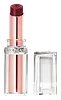 Key Ingredients
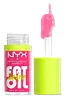
Benefits
Concerns
Ingredients Side-by-side
Punica Granatum Extract
AstringentCanola Oil
Emollient





Squalane
Emollient


Pentaerythrityl Tetraisostearate
Emollient
Bis-Behenyl/Isostearyl/Phytosteryl Dimer Dilinoleyl Dimer Dilinoleate
EmollientHelianthus Annuus Seed Wax
Skin Conditioning
Caprylic/Capric Triglyceride
Masking
Euphorbia Cerifera Cera
Astringent
Tocopherol
Antioxidant




Alumina
Abrasive
Synthetic Fluorphlogopite
Calcium Aluminum Borosilicate
Glycine Soja Oil
Emollient
Calcium Sodium Borosilicate
Aluminum Hydroxide
EmollientSilica
Abrasive

Citronellol
Perfuming


Magnesium Silicate
AbsorbentLimonene
Perfuming
Tin Oxide
Abrasive
Punica Granatum Fruit Extract
Antioxidant
Geraniol
Perfuming
CI 77120
Cosmetic ColorantBenzyl Alcohol
Perfuming


Colophonium
Linalool
Perfuming
Citric Acid
Buffering
Parfum
Masking
CI 77891
Cosmetic ColorantMica
Cosmetic ColorantCI 77491
Cosmetic ColorantCI 77492
Cosmetic ColorantCI 77499
Cosmetic ColorantCI 15850
Cosmetic ColorantCI 15985
Cosmetic ColorantCI 45380
Cosmetic ColorantCI 45410
Cosmetic ColorantCI 17200
Cosmetic ColorantCI 77742
Cosmetic ColorantCI 42090
Cosmetic ColorantCI 19140
Cosmetic ColorantCI 75470
Cosmetic ColorantPunica Granatum Extract, Canola Oil, Squalane, Pentaerythrityl Tetraisostearate, Bis-Behenyl/Isostearyl/Phytosteryl Dimer Dilinoleyl Dimer Dilinoleate, Helianthus Annuus Seed Wax, Caprylic/Capric Triglyceride, Euphorbia Cerifera Cera, Tocopherol, Alumina, Synthetic Fluorphlogopite, Calcium Aluminum Borosilicate, Glycine Soja Oil, Calcium Sodium Borosilicate, Aluminum Hydroxide, Silica, Citronellol, Magnesium Silicate, Limonene, Tin Oxide, Punica Granatum Fruit Extract, Geraniol, CI 77120, Benzyl Alcohol, Colophonium, Linalool, Citric Acid, Parfum, CI 77891, Mica, CI 77491, CI 77492, CI 77499, CI 15850, CI 15985, CI 45380, CI 45410, CI 17200, CI 77742, CI 42090, CI 19140, CI 75470
Polyisobutene
Hydrogenated Polyisobutene
EmollientPentaerythrityl Tetraisostearate
Emollient
Paraffinum Liquidum
Emollient
Diisostearyl Malate
EmollientPolyglyceryl-3 Diisostearate
Emulsifying
Rosa Canina Fruit Oil
Emollient
Rubus Chamaemorus Seed Oil
Skin Conditioning
Rubus Idaeus Seed Oil
Emollient
Squalane
Emollient
Aroma
Caprylic/Capric Triglyceride
Masking
Dibutyl Ethylhexanoyl Glutamide
Skin ConditioningEthylhexylglycerin
Skin ConditioningTocopherol
Antioxidant
Tocopheryl Acetate
Antioxidant
Diethylhexyl Syringylidenemalonate
Skin Protecting
Sorbic Acid
Preservative
Phenoxyethanol
Preservative
Benzyl Alcohol
Perfuming
Polyisobutene, Hydrogenated Polyisobutene, Pentaerythrityl Tetraisostearate, Paraffinum Liquidum, Diisostearyl Malate, Polyglyceryl-3 Diisostearate, Rosa Canina Fruit Oil, Rubus Chamaemorus Seed Oil, Rubus Idaeus Seed Oil, Squalane, Aroma, Caprylic/Capric Triglyceride, Dibutyl Ethylhexanoyl Glutamide, Ethylhexylglycerin, Tocopherol, Tocopheryl Acetate, Diethylhexyl Syringylidenemalonate, Sorbic Acid, Phenoxyethanol, Benzyl Alcohol
Reviews
Ingredients Explained
These ingredients are found in both products.
Ingredients higher up in an ingredient list are typically present in a larger amount.
Benzyl Alcohol is an aromatic alcohol with several roles: it's a preservative, solvent, and mild fragrance component with a floral scent.
This ingredient has been deemed safe for use in cosmetic formulations at concentrations up to 5%, and up to 10% in hair dyes. You'll typically see 0.5-2% in most rinse-off or leave-on products.
As a preservative, it works by disrupting the membrane of microbial proteins. This helps keep bacteria and fungi from growing in your products.
The sensitization picture is actually quite assuring as well:of nearly 71,000 patients patch tested with benzyl alcohol, only 0.21% showed a positive reaction with most of them being weakly positive.
This led researchers to conclude that benzyl alcohol cannot be regarded as a significant contact allergen.
It is worth noting this ingredient is classified as one of the EU's regulated fragrance allergens and restricted to 1% in finished products.
Labels must also declare it in concentrations above 0.001% in leave-on products and 0.01% in rinse-off products.
At concentrations around 5%, localized redness and itching can appear as a direct irritant response and not as a true allergic reaction.
Learn more about Benzyl AlcoholCaprylic/Capric Triglyceride (aka MCT Oil) is a lightweight emollient, solvent, and texture enhancer. It is considered a skin-softener by helping to prevent moisture loss.
Though it behaves like an oil, it is not technically one due to its chemical composition. One perk of this ingredient is that it is very stable, resistant to oxidation, and unlikely to go rancid.
In practice, that translates to a long shelf life and a consistently elegant skin feel.
While there is an assumption Caprylic Triglyceride can clog pores due to it being derived from coconut oil, there is no research supporting this. Just patch test if you have concerns.
Fractionated coconut oil and MCT Oil are both listed as Caprylic/Capric Triglyceride according to INCI. This is because INCI names are based on the ingredient’s final chemical composition and not its marketing name or source.
This ingredient is treated as the gold standard fungal acne safe oil. Even though it is coconut derived, the problematic lauric acid is stripped out.
This leaves just caprylic (C8) and capric (C10) acid. These chain lengths actually trend antifungal; a 2020 study found caprylic acid was enough to disrupt Malassezia furfur cell membrane, with a caprylic acid derivative damaging membrane structures at concentrations as low as 0.2%.
Learn more about Caprylic/Capric TriglyceridePentaerythrityl Tetraisostearate is a synthetic emollient and "skin-feel" ingredient that spreads well and leaves a non-sticky finish with high gloss.
In makeup, it also doubles as a pigment-wetting agent for better color payoff.
It's a well-vetted ingredient for safety and does not penetrate into skin due to its large molecule size.
Because it's a long-chain fatty acid ester, this ingredient may not be fungal acne or Malassezia safe.
Learn more about Pentaerythrityl TetraisostearateSqualane is the hydrogenated and shelf-stable form of squalene (a lipid that naturally occurs in human sebum).
It is an emollient and skin conditioning agent that is able to integrate seamlessly into the skin's lipid barrier without clogging pores.
This is due to how structurally similar it is to what your skin already produces.
Though it is mostly an emollient that helps soften and hydrate skin, it also has some humectant and occlusive action. Humectants help the skin retain moisture while occlusives seal it in, making squalane a triple-threat moisturizer.
Research shows it has antioxidant capabilities that help protect against stressors like UV exposure, specifically UVA induced oxidative stress. This study also found that it supports collagen biosynthesis in human dermal fibroblasts.
No clinical study has reported significant adverse effects and irritation reactions are very rare from this ingredient (even at 100% concentration).
Overall, it's a fantastic ingredient for hydration and is suitable for all skin types.
This depends on the source. Squalane can be derived from both plants and animals. Most squalane used in skincare comes from plants.
Please note: the source of squalane is only known if disclosed by the brand. We recommend reaching out to the brand if you have any questions about their squalane.
Read more about squalene with an "e".
Though squalane is often called an oil, it’s technically not one. It is a hydrocarbon, meaning it is only made of carbon and hydrogen. True oils are triglycerides and made of fatty acids and glycerol.
The term “oil-free” isn’t regulated so companies can define it however they want. Some exclude all oils, while others just avoid mineral oil or comedogenic oils.
Squalane has a comedogenic rating of 1 from the original 1972 study that tested raw ingredients under occlusion on rabbit ears. This system is not standardized or peer-reviewed, and using the raw ingredients is very different from how diluted cosmetic formulations are used on human skin.
A comedogenic rating of 1 means it is "unlikely to clog pores" according to the original rating system.
The overall formula of a product matters more than the individual ingredients on whether or not it will cause clogged pores.
Learn more about SqualaneTocopherol is a fat-soluble antioxidant known as Vitamin E.
You'll find this ingredient in the vast majority of skincare (for good reason). It works to neutralize free radicals, or unstable molecules generated by UV exposure, pollution, and other environmental stressors, before they can cause oxidative damage to your skin cells.
Topically applied tocopherol has been shown to protect against UV damage by ramping up the skin's own natural defense enzymes.
It also acts as a skin conditioning agent; some studies show that regular topical use can improve the skin's water-binding capacity over 2-4 weeks.
This ingredient is especially loved for being a team player. When combined with Vitamin C, the photoprotective effect of both ingredients roughly doubles and the combo also helps reduce UV-induced DNA damage.
This ingredient has some brightening potential but it's more of a prevention ingredient than spot-fader. Cell studies show it can slow down melanin production but it's worth noting that it's not the most powerful brightener out there.
In formulations, it also serves as a stabilizer that helps protect other oxidation-prone ingredients from degrading.
Concentrations usually range from 0.1-1% in most leave-on products.
Learn more about Tocopherol

