This oil-based makeup remover is made to dissolve makeup, sunscreen, and daily buildup.
This oil-based makeup remover is made to dissolve makeup, sunscreen, and daily buildup.

What's inside
What's inside
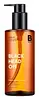 Key Ingredients
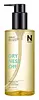
Benefits
Concerns
Ingredients Side-by-side
Glycine Soja Oil
Emollient








Triethylhexanoin
MaskingEthylhexyl Palmitate
Emollient
PEG-20 Glyceryl Triisostearate
Emollient
Isopropyl Myristate
Emollient
Isohexadecane
EmollientEthylhexyl Stearate
Emollient
Polyisobutene
Dicaprylyl Ether
Emollient
Isononyl Isononanoate
EmollientCaprylic/Capric Triglyceride
Masking

1,2-Hexanediol
Skin Conditioning
Citrus Limon Peel Oil
Masking



Citrus Aurantium Dulcis Oil
Masking
Citrus Limon Fruit Oil
Astringent
Cymbopogon Schoenanthus Oil
Masking
Geranium Maculatum Oil
Masking
Pentaerythrityl Tetra-Di-T-Butyl Hydroxyhydrocinnamate
Antioxidant
Cymbopogon Nardus Oil
Masking
Citrus Reticulata Leaf Oil
Masking
Prunus Armeniaca Kernel Oil
Masking
Vetiveria Zizanoides Root Oil
Masking
Melaleuca Alternifolia Leaf Oil
Antioxidant

Moringa Oleifera Seed Oil
Emollient
Water
Skin ConditioningButylene Glycol
Humectant
Centella Asiatica Extract
Cleansing



Houttuynia Cordata Extract
Skin Conditioning
Pentylene Glycol
Skin Conditioning
Ethylhexylglycerin
Skin ConditioningTocopherol
Antioxidant

Limonene
Perfuming
Citral
Perfuming
Glycine Soja Oil, Triethylhexanoin, Ethylhexyl Palmitate, PEG-20 Glyceryl Triisostearate, Isopropyl Myristate, Isohexadecane, Ethylhexyl Stearate, Polyisobutene, Dicaprylyl Ether, Isononyl Isononanoate, Caprylic/Capric Triglyceride, 1,2-Hexanediol, Citrus Limon Peel Oil, Citrus Aurantium Dulcis Oil, Citrus Limon Fruit Oil, Cymbopogon Schoenanthus Oil, Geranium Maculatum Oil, Pentaerythrityl Tetra-Di-T-Butyl Hydroxyhydrocinnamate, Cymbopogon Nardus Oil, Citrus Reticulata Leaf Oil, Prunus Armeniaca Kernel Oil, Vetiveria Zizanoides Root Oil, Melaleuca Alternifolia Leaf Oil, Moringa Oleifera Seed Oil, Water, Butylene Glycol, Centella Asiatica Extract, Houttuynia Cordata Extract, Pentylene Glycol, Ethylhexylglycerin, Tocopherol, Limonene, Citral
Helianthus Annuus Seed Oil
Emollient
Triethylhexanoin
MaskingEthylhexyl Stearate
Emollient
Polyisobutene
PEG-20 Glyceryl Triisostearate
Emollient
Ethylhexyl Palmitate
Emollient
Isononyl Isononanoate
EmollientIsopropyl Myristate
Emollient
Prunus Amygdalus Dulcis Oil
Skin Conditioning
Caprylic/Capric Triglyceride
Masking
1,2-Hexanediol
Skin Conditioning
Lavandula Angustifolia Oil
Masking
Pentaerythrityl Tetra-Di-T-Butyl Hydroxyhydrocinnamate
Antioxidant
Anthemis Nobilis Flower Oil
Masking
Argania Spinosa Kernel Oil
Emollient
Butyrospermum Parkii Butter
Skin Conditioning
Linalool
Perfuming
Helianthus Annuus Seed Oil, Triethylhexanoin, Ethylhexyl Stearate, Polyisobutene, PEG-20 Glyceryl Triisostearate, Ethylhexyl Palmitate, Isononyl Isononanoate, Isopropyl Myristate, Prunus Amygdalus Dulcis Oil, Caprylic/Capric Triglyceride, 1,2-Hexanediol, Lavandula Angustifolia Oil, Pentaerythrityl Tetra-Di-T-Butyl Hydroxyhydrocinnamate, Anthemis Nobilis Flower Oil, Argania Spinosa Kernel Oil, Butyrospermum Parkii Butter, Linalool
Reviews
Ingredients Explained
These ingredients are found in both products.
Ingredients higher up in an ingredient list are typically present in a larger amount.
1,2-Hexanediol is a synthetic liquid and another multi-functional powerhouse.
It is a:
- Humectant, drawing moisture into the skin
- Emollient, helping to soften skin
- Solvent, dispersing and stabilizing formulas
- Preservative booster, enhancing the antimicrobial activity of other preservatives
Caprylic/Capric Triglyceride (aka MCT Oil) is a lightweight emollient, solvent, and texture enhancer. It is considered a skin-softener by helping to prevent moisture loss.
Though it behaves like an oil, it is not technically one due to its chemical composition. One perk of this ingredient is that it is very stable, resistant to oxidation, and unlikely to go rancid.
In practice, that translates to a long shelf life and a consistently elegant skin feel.
While there is an assumption Caprylic Triglyceride can clog pores due to it being derived from coconut oil, there is no research supporting this. Just patch test if you have concerns.
Fractionated coconut oil and MCT Oil are both listed as Caprylic/Capric Triglyceride according to INCI. This is because INCI names are based on the ingredient’s final chemical composition and not its marketing name or source.
This ingredient is treated as the gold standard fungal acne safe oil. Even though it is coconut derived, the problematic lauric acid is stripped out.
This leaves just caprylic (C8) and capric (C10) acid. These chain lengths actually trend antifungal; a 2020 study found caprylic acid was enough to disrupt Malassezia furfur cell membrane, with a caprylic acid derivative damaging membrane structures at concentrations as low as 0.2%.
Learn more about Caprylic/Capric TriglycerideEthylhexyl Palmitate, also known as octyl palmitate, is created from 2-ethylhexyl alcohol and palmitic acid.
In cosmetics, it plays many roles:
One thing worth noting: a controlled study found this ingredient applied under occlusion to acne-prone subjects increased microcomedones. Just keep in mind this was under occlusive conditions and don't reflect how most products are used day-to-day.
For most people, this is a well-tolerated and lightweight ingredient.
This ingredient may not be fungal acne safe because it is an ester of palmitic acid, a C16 fatty acid that falls within the C11-24 range that Malassezia can metabolize.
You'll see this one rated 4 comedogenic all over the internet. That number isn't from a single study, and the actual research is more interesting.
The original rating comes from 1980s rabbit ear tests (which are a shaky basis for anything). But Ethylhexyl Palmitate is one of the few ingredients with real human data behind it. A 2021 controlled trial found this ingredient increased microcomedones by an average of 365% over four weeks.
Just know that test used the pure ingredient under an occlusive pad on back skin; most products use it at much lower levels alongside other ingredients and plenty of people use those with no issue.
Learn more about Ethylhexyl PalmitateEthylhexyl Stearate is a simplease ester made fby reacting stearic acid (a fatty acid from plant or animal fats) with 2-ethylhexanol (a branched alcohol).
The result is a clear, low-viscosity, almost odorless oily liquid. Think of it as a lightweight synthetic oil that sits on the skin's surface, softens it, and slows water loss. It also works as a solvent that helps dissolve pigments and UV filters so they spread evenly.
Older ingredient lists label it as "Octyl Stearate" and it turns up the most often in makeup products.
Industry data shows usage concentration goes up to ~40% in makeup and up to 10% in moisturizer or sunscreen.
Human repeat insult patch tests with a 25.9% lip gloss and 38.8% eyebrow pencil found no sensitization. A formula with 7.6% was also not an irritant, sensitizer, and was found to be non-phototoxic across 56, 19, and 27 subjects respectively.
True contact allergy to it is rare.
This ingredient shows up on a lot of "pore-clogging" lists but there's no real evidence behind that. It doesn't even have a comedogenic rating from an actual study; the numbers you'll find online come from blogs citing other blogs.
Ratings for other ingredients mostly come from a 1980s rabbit ear test. This test doesn't translate well to human skin or to real products because the ingredient sits at a much lower percentage.
Some people still find it breaks them out. So if that's you, definitely trust your skin.
The Malassezia yeast has been found to grow in the presence of fatty acids, fatty acid esters, and fatty alcohols with chains longer than 12 carbons. Ethylhexyl Stearate releases stearic acid, an 18-carbon chain, which is right inside that range; this ingredient may not be fungal acne safe.
Learn more about Ethylhexyl StearateIsononyl Isononanoate is a synthetic skin-conditioner and texture enhancer. It is created from nonanoic acid, a fatty acid found in cocoa and lavender oil.
As an emollient, Isononyl Isononanoate helps keep your skin soft and smooth. This is because emollients create a barrier on the skin to trap moisture in.
Isononyl Isononanoate helps give products a velvet feel and improves spreadability.
Learn more about Isononyl IsononanoateIsopropyl Myristate is an ester made by combining isopropyl alcohol with myristic acid.
It is primarily an emollient and penetration enhancer that gives products a lightweight, silky feel without the heaviness of oils.
This ingredient is generally considered non-toxic, non-irritating, and has low absorption potential.
This ingredient does have a comedogenic rating of 3-5, but this doesn't mean a formula with this ingredient will clog pores.
Dermatologist Dr. Zoe Draelos has also confirmed in a peer-reviewed paper that products containing comedogenic ingredients are not necessarily comedogenic themselves.
A small subset of people (~2%) may experience contact sensitivity so patch testing is a reasonable idea if you have reactive skin.
Since this ingredient is an ester of myristic acid (a C14 fatty acid), it falls within the carbon chain range that is known to feed Malassezia. This ingredient may not be fungal acne safe.
Learn more about Isopropyl MyristatePEG-20 Glyceryl Triisostearate is a synthetic, oil-loving helper ingredient that does two jobs:
This ingredient is made by joining three building blocks: PEG, Isostearic Acid and glycerin. The PEG gives it the oil-and-water blending power.
This ingredient has been found safe for use in cosmetics and broader PEG family testing shows minimal irritation/sensitization. The molecule's large size also means it isn't expected to penetrate skin to any meaningful degree.
Fungal acne note: This ingredient may not be fungal acne safe due to isostearic acid (C18). Isostearic acid falls into the C11-24 range that Malassezia can feed on.
Learn more about PEG-20 Glyceryl TriisostearatePentaerythrityl Tetra-Di-T-Butyl Hydroxyhydrocinnamate (long name, huh?) is a synthetic antioxidant.
It is used to help stabilize other antioxidants or prevent the color from changing in a product.
As an antioxidant, it helps fight free-radical molecules. Free-radical molecules are capable of damaging our cells and other genetic material. Thus, antioxidants may reduce the signs of aging.
This ingredient is oil-soluble.
Learn more about Pentaerythrityl Tetra-Di-T-Butyl HydroxyhydrocinnamatePolyisobutene is a synthetic polymer made from isobutene.
It is a film-forming agent and helps bind ingredients together.
Polyisobutene is not absorbed by the skin.
Learn more about PolyisobuteneTriethylhexanoin is created from glycerin and 2-ethylhexanoic acid. It is a solvent and emollient.
As a solvent, Triethylhexanoin helps dissolve ingredients to stable bases or help evenly distribute ingredients throughout the product.
It is also an emollient and helps condition the skin.
Learn more about Triethylhexanoin

